
Introduction
This unassuming device can make a significant difference in how you alert others, whether you're navigating city streets or cruising down the highway. The right vehicle horn can not only ensure that you’re heard but also add a touch of personality to your ride.
Understanding the Importance of a Snailhorn
A snailhorn serves as more than just an accessory; it's an essential part of your car's safety features. Whether you're using an air horn or an electric horn, this device plays a vital role in alerting pedestrians and other drivers to your presence. In busy traffic situations, having a reliable 12v car horn can mean the difference between safe navigation and potential accidents.
Types of Snailhorns: A Quick Overview
There are various types of snailhorns available on the market today, each designed to produce specific sound profiles suited for different needs. Electric horns are popular for their consistent sound output and ease of installation, while air horns often deliver a louder blast that can cut through noise effectively. Understanding these options will help you choose the right 12v auto horn that aligns with your driving style and requirements.
Why Quality Matters in Vehicle Horns
Quality is paramount when selecting any vehicle horn because it directly impacts performance and durability. A well-constructed snailhorn not only ensures reliability but also enhances overall driving safety by providing clear auditory signals to those around you. Investing in high-quality horns like premium electric horns or robust air horns can save you money in the long run by reducing replacements and maintenance needs.
Choosing the Right Sound
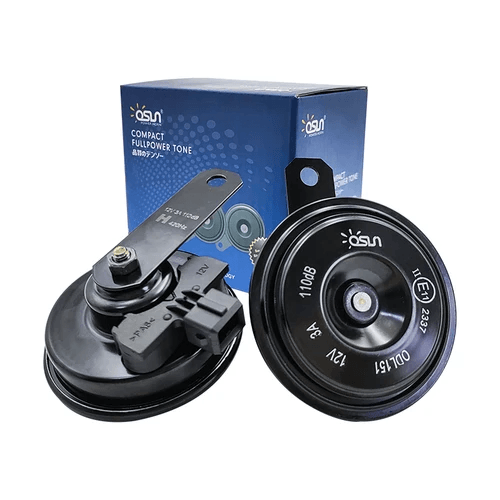
Whether you’re looking for a robust air horn or a sleek electric horn, each has its own unique characteristics that can elevate your driving experience. The right sound not only enhances your vehicle's presence but also ensures safety on the road.
The Difference Between Electric and Air Horns
Electric horns, often referred to as snailhorns, operate using electrical power to produce sound through a vibrating diaphragm. They are typically compact and easy to install in most vehicles, making them a popular choice among car enthusiasts. On the other hand, air horns use compressed air to generate their loud blasts, which can be more powerful but usually require additional components like an air compressor for installation.
Choosing between an electric horn and an air horn depends largely on your needs and preferences. If you're after something that’s straightforward with minimal installation hassle, a 12v car horn might be your best bet. However, if you want maximum volume and impact for events like parades or off-roading adventures, an air horn could be the way to go.
Decibel Levels: What You Should Know
Decibel levels are crucial when considering which type of vehicle horn suits you best; they indicate how loud a snailhorn will be when activated. Most standard car horns range from 80 to 110 decibels, but some high-performance options can reach up to 150 decibels! This means that while all horns serve their purpose of alerting others on the road, some do it with more flair—and noise—than others.
Before making a purchase decision based solely on decibel ratings, consider where you'll be using your 12v auto horn most frequently. For urban environments where noise regulations may apply, opting for something around 100 decibels might suffice without attracting unwanted attention from local law enforcement. In contrast, if you're frequently driving in rural areas or need extra attention during emergencies, investing in a louder option would certainly pay off.
How Sound Affects Usability
The sound produced by your car horn can significantly impact its usability in various situations. A clear and distinct tone makes it easier for pedestrians and other drivers to recognize that they need to pay attention—essentially transforming your snailhorn into an essential safety tool rather than just another accessory in your vehicle arsenal.
Moreover, certain sounds resonate better depending on traffic conditions; for instance, higher-pitched sounds might cut through city noise better than lower ones during rush hour traffic jams! Understanding how sound interacts with its environment allows you not only to choose wisely but also ensures that you remain safe while driving.
Evaluating Durability and Build Quality
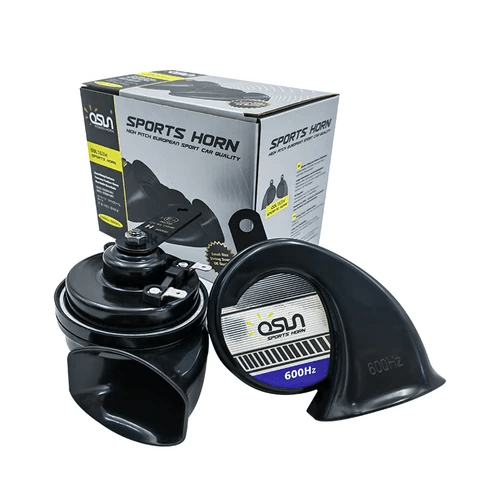
A snailhorn that can withstand the rigors of daily driving is essential, especially if you live in an area with extreme weather conditions. Investing in a high-quality car horn ensures that your vehicle horn will perform reliably over time, delivering the sound you need when you need it.
Materials Used in Snailhorns
The materials used in manufacturing a snailhorn can significantly impact its performance and lifespan. Most electric horns are made from durable plastics and metals designed to resist corrosion and wear. On the other hand, air horns often utilize robust materials that can handle higher pressures without compromising sound quality or structural integrity.
High-quality 12v car horn options typically feature reinforced components that enhance their resistance to vibrations and impacts on the road. This means less chance of malfunctioning due to bumps or jolts during your daily commute. When selecting a snailhorn, look for those crafted with premium materials for optimal performance.
Weather Resistance and Longevity
Weather resistance is another critical factor when evaluating a snailhorn’s durability. A good vehicle horn should be able to withstand rain, snow, heat, and humidity without losing functionality or producing subpar sound quality. Many manufacturers incorporate weatherproofing techniques into their designs, ensuring that your electric horn remains reliable regardless of environmental conditions.
Longevity matters as well; after all, nobody wants to replace their 12v auto horn every few months due to wear and tear! Choosing a model known for its longevity means fewer headaches down the road—and more peace of mind while driving. Look for warranties or guarantees from manufacturers as indicators of quality assurance regarding longevity.
Insights from Xiamen Osun Electronic Technology Co., Ltd.
Xiamen Osun Electronic Technology Co., Ltd., known for producing high-quality vehicle horns like snailhorns, emphasizes both durability and performance in their products. Their commitment to using advanced materials ensures that customers receive reliable electric horns capable of enduring various environmental challenges over time. Additionally, they conduct rigorous testing on all their air horns before they hit the market—so you know you're getting a dependable product.
Their innovative designs often combine lightweight yet sturdy construction with excellent sound output capabilities—making them popular among car enthusiasts looking for top-notch 12v car horn options. With insights from industry leaders like Xiamen Osun Electronic Technology Co., Ltd., it's clear that investing in a well-built snailhorn pays off in terms of both safety and satisfaction on the road.
Compatibility with Your Vehicle

A snailhorn that doesn't match your car's specifications can lead to disappointing performance or, worse, damage to your vehicle's electrical system. Thus, understanding the nuances of vehicle horns—be it electric or air horns—is essential for a successful installation.
Ensuring the Right Voltage: 12v Car Horn Options
Most vehicles operate on a 12v electrical system, making 12v car horn options the go-to choice for many drivers. When shopping for a snailhorn or any type of vehicle horn, confirm that the voltage matches your car’s requirements; otherwise, you could end up with a silent ride instead of an impressive blast. Remember that not all air horns and electric horns are created equal; some may require additional components to function properly in a 12v setup.
Installation Tips for Different Car Models
Installing a snailhorn can be straightforward if you follow the right steps tailored to your specific car model. Generally speaking, you'll want to locate the existing car horn and note its wiring configuration before replacing it with your new air horn or electric horn. Some models may require minimal tools and time, while others might need more intricate work—so be prepared for anything from simple plug-and-play options to more complex installations involving brackets and wiring connectors.
Consulting Manufacturer Guidelines
Before diving into installation or purchasing decisions, consulting manufacturer guidelines is key to ensuring everything fits like a glove. Each vehicle has unique specifications that dictate which types of horns are compatible; ignoring these guidelines could lead you down a road of frustration and wasted money on incompatible products. So whether you're eyeing that shiny new 12v auto horn or considering an upgrade from an old snailhorn, make sure you’ve done your homework first!
Price vs. Performance: Making a Choice
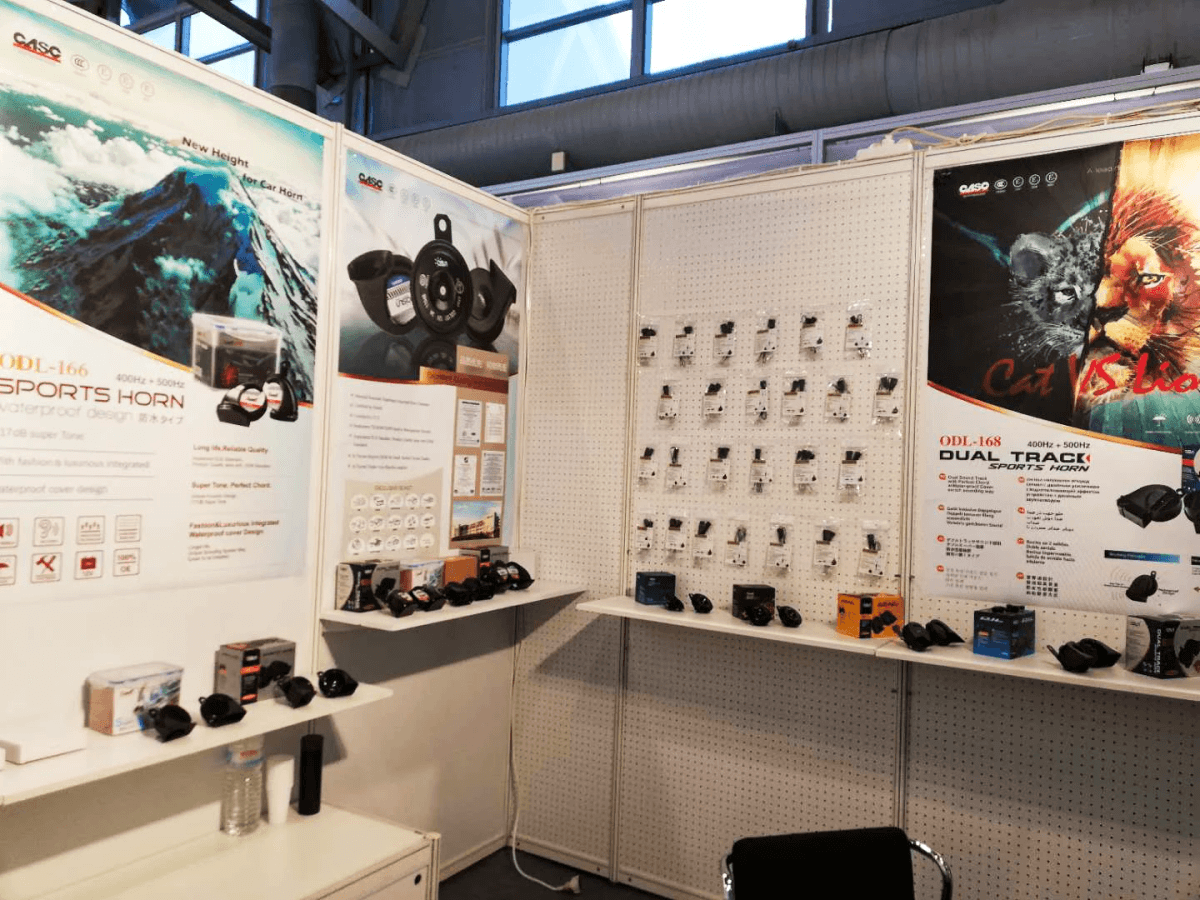
There’s a wide spectrum of options available, from budget-friendly air horns that offer decent sound quality to premium electric horns that deliver powerful and crisp audio. Knowing what you need and how much you're willing to spend can make a significant difference in your overall satisfaction with your new car horn.
Budget-Friendly Snailhorns vs. Premium Options
Budget-friendly snailhorns often appeal to those looking for an economical solution without sacrificing too much on sound quality. These 12v car horn options typically provide adequate noise levels for everyday driving situations but may lack durability or advanced features found in higher-end models. On the other hand, premium options usually come with superior build quality, enhanced decibel output, and added features like weather resistance, making them a worthwhile investment for serious drivers who prioritize performance.
While budget models may suffice for casual users or those who drive infrequently, investing in a premium vehicle horn can pay off in the long run through increased reliability and better sound performance. If you find yourself frequently on the road or in need of an effective warning system, spending a bit more on an electric horn might just save you from future headaches (and potential accidents). Ultimately, it's about finding that sweet spot where price meets performance based on your individual needs.
Understanding Value in Vehicle Horns
Value is not merely about finding the lowest price; it’s about getting what you pay for when it comes to vehicle horns like snailhorns and air horns. A good-quality 12v auto horn should provide clear sound at various decibel levels while also being durable enough to withstand environmental factors such as rain or extreme temperatures. When evaluating value, consider factors such as warranty offerings and customer service support—these can often indicate how much confidence manufacturers have in their products.
Moreover, understanding what makes one car horn stand out from another is essential for discerning buyers; features like ease of installation and compatibility with different vehicle types can significantly enhance overall value. For instance, if you purchase a budget model that requires frequent replacement due to poor weather resistance or low sound output, you might end up spending more than if you'd opted for a reliable premium option from the start. Therefore, always weigh these elements carefully before making your decision.
Key Features to Look For
When shopping for a snailhorn or any type of vehicle horn, certain key features should be at the forefront of your mind during selection. First off is sound quality; whether you're leaning toward an electric horn or an air horn model, ensure it produces loud and clear sounds that meet safety standards—after all, it's meant to alert others! Next up is durability; look out for materials such as high-quality plastics or metals designed specifically to resist corrosion and wear over time.
Another vital feature is installation ease—some models come with comprehensive guides while others may require professional help which could add extra costs down the line! Lastly, consider additional functionalities like multiple tones or adjustable volume settings that allow customization based on personal preference or driving conditions; these little perks can elevate your driving experience significantly! In conclusion, take notes of these key aspects when hunting down your ideal 12v car horn so that you're not just buying noise but investing in safety as well!
Reading Reviews and Expert Opinions

When it comes to selecting the perfect snailhorn for your vehicle, diving into user reviews can be incredibly enlightening. These reviews often provide firsthand experiences that highlight the strengths and weaknesses of various air horns, electric horns, and 12v auto horns. By understanding what real users appreciate about a particular car horn, you can make a more informed decision that aligns with your needs.
How User Reviews Can Guide You
User reviews serve as a treasure trove of information when navigating the world of vehicle horns. They offer insights on everything from sound quality to durability, which is crucial for any 12v car horn you might be considering. Moreover, these reviews can reveal common issues or praises that manufacturers may not highlight in their marketing—like whether a specific snailhorn truly delivers on its promised decibel level or if it withstands harsh weather conditions.
Trustworthy Sources for Product Comparisons
Not all sources are created equal when it comes to product comparisons for car horns. Look for reputable websites that specialize in automotive accessories or consumer electronics; they often conduct thorough testing and provide unbiased evaluations of different air horns and electric horns. Additionally, forums dedicated to automotive enthusiasts can be gold mines of information where users share their experiences with specific 12v auto horn models.
The Role of Testing and Certification
Testing and certification play vital roles in ensuring the reliability of your chosen snailhorn or vehicle horn. Many reputable manufacturers will have their products tested by independent organizations, which can confirm performance metrics like sound output and durability under extreme conditions. This certification not only provides peace of mind but also helps you differentiate between subpar options and high-quality air horns that will stand the test of time.
Conclusion

Choosing the right snailhorn for your vehicle is essential for both functionality and safety. With so many options available, from electric horns to air horns, it's crucial to consider factors like sound quality, durability, and compatibility with your car. A well-chosen vehicle horn not only enhances your presence on the road but also ensures you can communicate effectively in various driving situations.
The Final Checklist for Choosing a Snailhorn
Before making a purchase, create a checklist that includes the type of horn you prefer—whether it’s an electric horn or an air horn—and ensure it meets your decibel level requirements. Don’t forget to evaluate the materials used in construction; a durable snailhorn will withstand weather conditions and daily wear and tear. Lastly, confirm that the 12v car horn is compatible with your vehicle’s electrical system to avoid installation headaches.
Making an Informed Purchase Decision
When shopping for a car horn, weigh price against performance carefully; budget-friendly options may seem appealing but could compromise on quality. Research various brands and models, especially premium choices that offer enhanced features like better sound quality or improved durability. Consulting user reviews can provide insights into real-world experiences with different snailhorns, helping you make an informed decision.
Embracing Safety with the Right Vehicle Horn
A reliable snailhorn is more than just a noise-maker; it's a critical component of road safety that can alert other drivers to your presence or warn them of potential hazards. By selecting the right 12v auto horn that meets all your needs—from sound type to build quality—you’re investing in both safety and peace of mind while driving. So go ahead and embrace that trusty vehicle horn—it’s not just about making noise; it’s about making sure you’re heard!