
Introduction
In the world of commercial vehicles, the humble snail horn often goes unnoticed, yet it plays a crucial role in ensuring safety and communication on the road. Understanding commercial vehicle snail horns is essential for fleet operators and drivers alike, as these devices can significantly enhance vehicle visibility and alertness. With their unique design and functionality, snail horns stand out from traditional horns, offering a blend of efficiency and durability.
Understanding Commercial Vehicle Snail Horns
Commercial vehicle snail horns are specially designed sound devices that produce a distinctive tone, making them ideal for large trucks and buses. The unique structure of these horns allows them to emit a sound that travels farther than standard horns, ensuring that other drivers are alerted to the presence of larger vehicles. By examining the snail horn diagram, one can appreciate how this design contributes to its effectiveness in various driving environments.
The Importance of Quality Horns in Transportation
Quality horns are not just accessories; they are vital safety tools in transportation. A reliable horn can prevent accidents by providing timely warnings to pedestrians and other vehicles, particularly in busy urban areas or during adverse weather conditions. Investing in high-quality commercial vehicle snail horns ensures that drivers have an effective means of communication on the road.
How Snail Horns Stand Out
What sets snail horns apart from their counterparts is their remarkable sound quality and robust construction designed for harsh conditions. Unlike conventional horns that may falter under stress or wear out quickly, snail horns maintain their performance over time due to superior materials and engineering. Their versatility also allows for easy installation across various types of commercial vehicles, making them a preferred choice among fleet managers.
What is a Snail Horn?
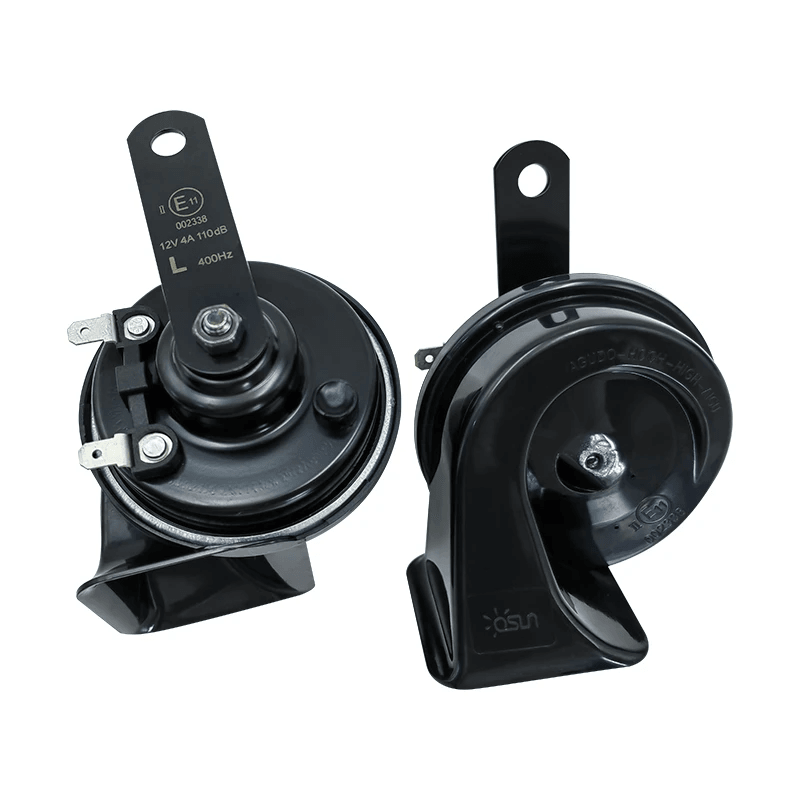
Snail horns are not your average vehicle horns; they are specialized sound devices designed to provide a distinctive auditory signal for commercial vehicles. These horns are named for their unique, spiral-shaped design that resembles a snail's shell, which is not just for show—it serves a purpose. Understanding the intricacies of the snail horn diagram can help you appreciate how this design contributes to its functionality and effectiveness.
The Unique Design Explained
At first glance, the unique design of a snail horn might seem whimsical, but it’s engineered for optimal performance. The spiral shape allows sound waves to resonate more effectively, producing a richer and louder tone compared to traditional horns. This design also aids in directing sound in specific directions, making it easier for other road users to hear and respond appropriately.
Moreover, the materials used in crafting these horns are chosen for their resilience against environmental elements like moisture and extreme temperatures. This ensures that even under harsh conditions, the snail horn maintains its integrity and sound quality over time. Thus, when you look at a snail horn diagram, you'll notice how each component works harmoniously to create an efficient auditory signal.
The Functionality of Snail Horns
Snail horns serve one primary function: alerting other drivers and pedestrians of your vehicle's presence on the road. However, they do this with remarkable efficiency due to their innovative design features. The high decibel output combined with clear tonal quality makes them particularly effective in busy urban environments where noise pollution is rampant.
In addition to being loud enough to be heard over traffic noise, these horns also produce distinct sounds that can be recognized easily by other road users. This recognition factor enhances safety on the roads since drivers can quickly identify the source of the sound and react accordingly. Understanding this functionality becomes clearer when you refer back to the snail horn diagram—it illustrates how each part contributes to producing that unmistakable alerting tone.
Snail Horn Diagram and Its Relevance
The relevance of a snail horn diagram cannot be overstated; it serves as an essential tool for understanding how these devices work internally. By examining such diagrams, one can see how air flows through various chambers within the horn structure, leading to sound production that’s both powerful and precise. Each curve and angle depicted in the diagram plays a crucial role in shaping not only the sound quality but also its volume.
Furthermore, having access to this visual representation helps technicians during installation or troubleshooting processes by providing clear guidance on component placement and function. When considering maintenance or upgrades for your commercial vehicle's auditory system, referring back to the snail horn diagram will ensure you're making informed decisions about repairs or replacements needed over time. In essence, these diagrams encapsulate everything you need to know about maximizing your investment in high-quality snail horns while ensuring safety on our bustling roads.
Advantages of Snail Horns for Commercial Vehicles
Enhanced Sound Quality
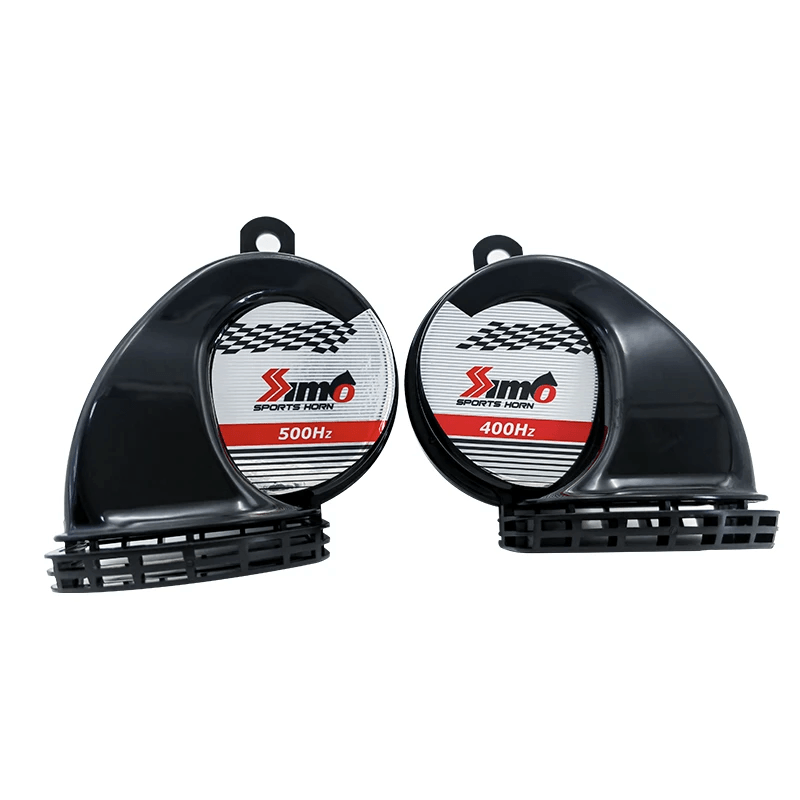
One of the standout features of snail horns is their remarkable sound quality. Unlike conventional horns, which can produce a shrill or flat tone, the sound emitted by snail horns is rich and resonant, making it more effective in alerting others on the road. This enhanced auditory presence can be crucial in busy urban environments where safety is paramount; after all, a well-timed honk can prevent an accident.
The snail horn diagram showcases how the design contributes to this superior sound quality; its spiral shape allows for better acoustics and amplification. When you compare it to traditional designs, you'll notice that the snail horn's construction is specifically tailored for optimal sound projection. In essence, investing in a high-quality snail horn ensures your vehicle commands attention without being overly harsh.
Durability in Harsh Conditions
Commercial vehicles often face challenging environments—from extreme weather to rough terrains—and durability is essential for any component they carry. Snail horns are engineered to withstand these conditions thanks to robust materials and thoughtful design choices that prioritize longevity. This resilience means fewer replacements and repairs over time, saving both money and hassle for fleet managers.
Incorporating elements like corrosion-resistant coatings further enhances their lifespan, making them suitable for any climate or situation you might encounter on the road. The snail horn diagram emphasizes how each part works harmoniously to ensure durability while maintaining performance standards under pressure. So when you choose a snail horn, you're investing in reliability that won't let you down.
Versatility in Installation
Another significant advantage of snail horns lies in their versatility when it comes to installation options. Whether you're upgrading an existing system or outfitting a new vehicle entirely, these horns can fit various configurations without requiring extensive modifications—ideal for fleet managers looking to streamline operations! Their compact design also means they can be mounted in tight spaces where other types may struggle.
Most models come with easy-to-follow instructions and necessary hardware included, making DIY installations feasible even for those who aren't mechanically inclined. The accompanying snail horn diagram provides visual guidance on installation points and connections, simplifying what could otherwise be a daunting task. With such flexibility at your disposal, integrating snail horns into your commercial vehicle fleet has never been easier!
Choosing the Right Snail Horn
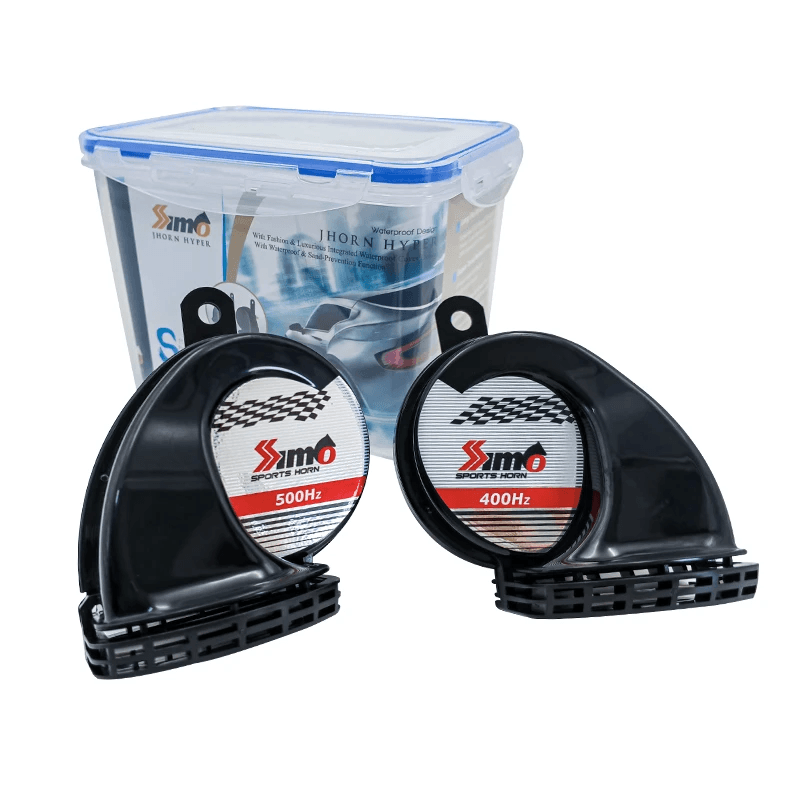
Selecting the perfect snail horn for your commercial vehicle can be akin to finding a needle in a haystack. With so many options available, it’s crucial to know what features and specifications will best serve your needs. In this section, we’ll explore the factors you should consider, compare popular brands, and highlight what makes Xiamen Osun snail horns a standout choice.
Factors to Consider
When choosing a snail horn, there are several key factors that can significantly impact performance and usability. First off, sound quality is paramount; you want a horn that produces a clear and powerful tone that can cut through traffic noise. Additionally, consider durability—commercial vehicles often face harsh conditions, so selecting a horn made from robust materials is essential for longevity.
Installation versatility is another factor worth pondering; some horns are easier to install than others and may require specialized tools or brackets. Also, think about the size of the horn—ensure it fits well within your vehicle's design without compromising aesthetics or functionality. Lastly, don’t forget to check compatibility with your vehicle's electrical system; understanding the snail horn diagram can help with this aspect.
Comparing Popular Brands
With numerous brands on the market, comparing their offerings can save you time and money in the long run. Some popular brands have established themselves as reliable choices due to their consistent performance and customer satisfaction ratings. Look for reviews that discuss sound quality, durability under various weather conditions, and ease of installation.
For example, while Brand A might excel in sound clarity but falter in durability during extreme temperatures, Brand B could offer outstanding resilience but lack in tonal variety. By weighing these pros and cons based on user experiences—keeping an eye out for specific mentions of features highlighted in snail horn diagrams—you'll be better equipped to make an informed decision.
Features of Xiamen Osun Snail Horns
Xiamen Osun has carved out a niche for itself by providing high-quality snail horns tailored specifically for commercial vehicles. One standout feature is their advanced sound engineering which ensures not just loudness but also clarity—a critical aspect when you need attention on busy roads!
Moreover, Xiamen Osun horns are crafted from premium materials designed to withstand harsh environmental conditions without compromising performance over time. Their installation process is straightforward too; many users appreciate how easily they fit into existing setups without extensive modifications required.
In summary, when choosing the right snail horn for your commercial vehicle needs, consider factors like sound quality and durability while comparing popular brands carefully. Xiamen Osun's commitment to excellence shines through its product features—making them worthy contenders in any discussion about high-performance horns!
Installation Tips for Snail Horns
Installing a snail horn can seem daunting at first, but with the right tools and guidance, it can be a smooth process. This section will equip you with essential tools, provide a clear step-by-step guide, and highlight common pitfalls to avoid. So roll up your sleeves and let’s get that snail horn sounding!
Tools You’ll Need
Before diving into installation, gather the necessary tools to ensure everything goes off without a hitch. You’ll need basic hand tools such as a wrench set, screwdriver set, and pliers—these are your trusty companions in this endeavor. Additionally, having wire connectors and electrical tape handy will help you secure connections properly while ensuring durability.
Don't forget about safety gear! A pair of gloves can protect your hands from sharp edges or accidental pinches during the installation process. With these tools in hand, you’re well on your way to transforming your vehicle's auditory presence with that distinctive sound from your new snail horn.
Step-by-Step Guide
1. **Disconnect Power**: Start by disconnecting the vehicle's battery to prevent any electrical mishaps while working.
2. **Locate Installation Area**: Refer to the snail horn diagram for guidance on where to mount the horn on your vehicle—typically near the front grille or bumper is ideal for optimal sound projection.
3. **Mounting**: Securely attach the snail horn using bolts provided in the kit; make sure it’s firmly in place but not overly tight to avoid damage.
4. **Wiring**: Connect the wires according to color codes (usually red for positive and black for negative). Again, using that handy snail horn diagram will make this step easier as it visually guides you through proper connections.
5. **Reconnect Battery**: Once everything is connected and secured properly, reconnect your vehicle’s battery.
6. **Test It Out**: Finally, give it a test honk! Ensure everything sounds just right before hitting the road.
By following these steps closely while referencing your snail horn diagram when needed, you'll have a successfully installed snail horn that announces your presence on the road!
Common Mistakes to Avoid
Even seasoned DIY enthusiasts can trip up during installations—so here are some common mistakes that could lead to frustration or subpar performance of your new snail horn!
One major pitfall is neglecting to check compatibility; always ensure that your chosen model fits both physically within its designated space and electronically with existing wiring systems before starting installation. Another frequent error is overlooking proper mounting techniques; an improperly mounted horn may vibrate excessively or produce distorted sounds instead of that crisp blast you expect from quality horns.
Lastly, don’t rush through wiring connections—double-check each connection against the provided snail horn diagram before powering back up! Taking these precautions will save you time and hassle down the road.
Maintenance and Troubleshooting

Maintaining your snail horn is crucial to ensure it performs at its best, especially in demanding commercial vehicle environments. Regular upkeep not only prolongs the life of the horn but also ensures optimal sound quality, making your vehicle more noticeable on the road. By following a few simple maintenance steps, you can keep your snail horn in top shape and ready to alert.
Keeping Your Snail Horn in Top Shape
To keep your snail horn functioning properly, start with routine inspections for any signs of wear or damage. Check connections and wiring for corrosion or fraying; these issues can significantly affect performance. Additionally, cleaning the exterior with a damp cloth can prevent dirt buildup that may muffle sound quality over time.
It’s also important to refer to the snail horn diagram when performing maintenance tasks; this will help you understand how different components work together. Knowing where each part fits into the system allows for more effective troubleshooting and repairs. Remember to check manufacturer guidelines for specific maintenance recommendations tailored to your model.
Finally, consider seasonal checks—especially before winter or rainy seasons—to ensure that water or debris hasn’t compromised functionality. A well-maintained snail horn will not only sound better but will also enhance safety on the road by ensuring that you’re heard when it matters most.
Diagnosing Common Issues
Even with regular maintenance, issues may arise with your snail horn from time to time. One common problem is a weak or nonexistent sound; this could be due to loose wiring or a blown fuse affecting power supply. If you notice any unusual sounds—like rattling or buzzing—it may indicate internal damage that requires immediate attention.
Utilizing a snail horn diagram can simplify diagnosing these issues by providing insight into how each component interacts within the system. For instance, if you see that one part isn’t receiving power as indicated in the diagram, it could lead you directly to potential faults like corroded connections. Always take note of any changes in performance so you can address problems early before they escalate.
Another frequent issue is moisture accumulation inside the unit, which can cause electrical shorts and other malfunctions over time. Inspecting seals and ensuring proper installation will help mitigate this risk; if moisture becomes trapped inside despite precautions, it might be time for professional evaluation.
When to Seek Professional Help
While many maintenance tasks can be handled independently, some situations call for expert intervention—especially if you're unsure about diagnosing an issue yourself. If you've checked all connections and still experience problems like low volume or erratic sounds from your snail horn, it's wise to consult a professional mechanic who specializes in automotive electronics.
Additionally, if there are signs of physical damage such as cracks or breaks visible on your unit (which could be highlighted in a detailed snail horn diagram), don’t hesitate to seek assistance right away; operating under such conditions could lead to further complications down the line. Professionals have access to specialized tools and knowledge that allow them to identify underlying issues quickly.
Lastly, if you're considering upgrading components of your system but lack confidence in doing so safely yourself—calling an expert is always advisable! They’ll ensure everything integrates seamlessly while maximizing performance without compromising safety standards on your commercial vehicle.
Conclusion
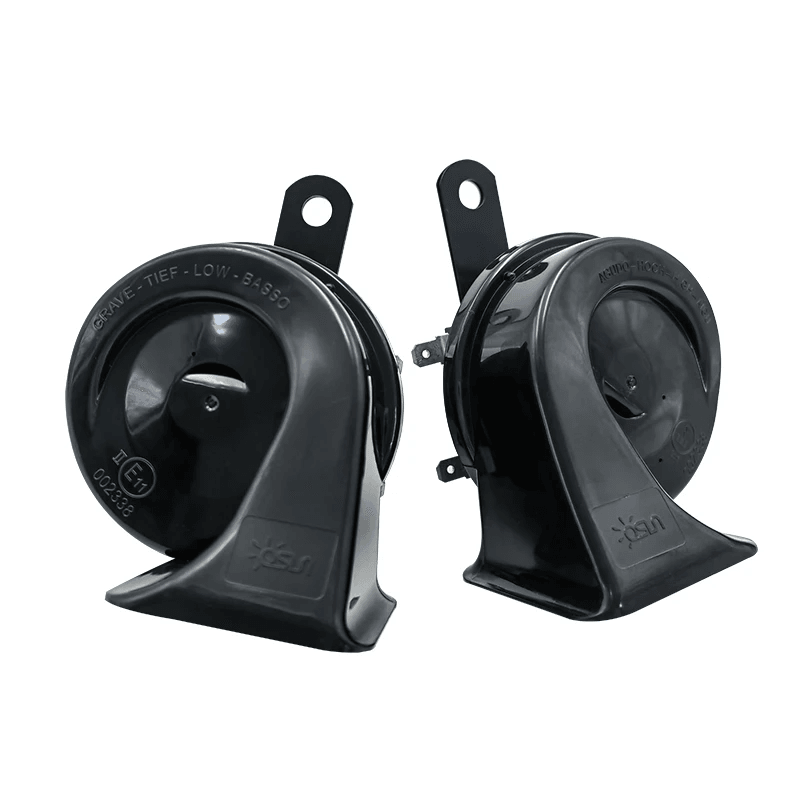
In the world of commercial vehicles, investing in high-quality snail horns can significantly enhance safety and communication on the road. Not only do these horns produce a distinctive sound that cuts through noise, but they also boast durability and versatility that make them ideal for various transportation needs. As we’ve explored throughout this guide, understanding the unique features and benefits of snail horns can lead to better decisions for your vehicle's auditory needs.
The Benefits of Investing in Snail Horns
Investing in snail horns is akin to giving your vehicle a voice that demands attention. The enhanced sound quality ensures that your horn is heard even in bustling environments, making it an essential safety feature on busy roads. Additionally, their robust construction means they can withstand harsh conditions, providing reliable performance when it matters most.
Moreover, the versatility of installation options allows you to customize your setup according to your specific requirements. Whether you're outfitting a fleet or a single truck, snail horns offer flexibility without compromising on quality. With options like the snail horn diagram available for reference, you can visualize how these components will fit into your vehicle’s design seamlessly.
Xiamen Osun's Commitment to Quality
Xiamen Osun has established itself as a leader in producing top-notch snail horns designed specifically for commercial vehicles. Their commitment to quality is evident in every product they offer; each horn undergoes rigorous testing to ensure it meets high standards of performance and durability. With Xiamen Osun’s attention to detail and innovative designs, you can trust that you're getting a product built to last.
Furthermore, their customer service is second to none; they provide comprehensive support from selection through installation and maintenance. This dedication not only enhances user experience but also reinforces the reliability associated with their brand. When you choose Xiamen Osun’s snail horns, you're not just purchasing a product; you're investing in peace of mind knowing you’re backed by a reputable manufacturer.
Future Innovations in Horn Technology
The future looks bright for horn technology as manufacturers continue to innovate beyond traditional designs like the classic snail horn diagram we’ve come to know so well. Emerging trends include smart technology integration that allows drivers to control sound patterns or even connect with mobile apps for enhanced functionality. These advancements promise not only improved safety but also greater customization options tailored specifically for commercial use.
As manufacturers like Xiamen Osun embrace these innovations, we can expect even more durable materials and cutting-edge designs aimed at maximizing sound efficiency while minimizing environmental impact. With ongoing research into acoustic engineering and materials science, future generations of snail horns will likely redefine what we expect from vehicle auditory systems altogether. Embracing these changes could very well transform how commercial vehicles communicate on our roads.