
Introduction
Your car horn is more than just a noise-maker; it’s a crucial safety feature that helps communicate your presence on the road. Understanding why your horn might sound weak or malfunctioning can save you from awkward situations and potential accidents. In this guide, we’ll explore common causes of a weak car horn sound, how to fix car horn sound issues, and even ways to modify car horn sound for those looking to amp up their automotive experience.
Understanding the Importance of Your Car Horn
A well-functioning car horn serves as an essential tool for alerting other drivers and pedestrians, making it vital for road safety. When you encounter a situation where you need to signal your presence quickly, a strong and clear horn can make all the difference. If you're wondering why is my car horn sound weak or not working at all, it’s crucial to address these issues promptly.
Common Situations of a Malfunctioning Horn
Imagine cruising down the highway only to find that your attempts to alert someone with your horn result in nothing more than a feeble beep. This scenario can be both frustrating and dangerous, especially when quick communication is necessary. From false triggers causing honking fits to complete silence when you need it most, understanding these common situations will help you identify whether it's time to ask yourself how to stop car horn from sounding or how to fix car horn sound issues.
Overview of Causes and Fixes
There are several reasons behind a weak or malfunctioning car horn sound ranging from electrical issues to worn-out components. Knowing the root cause will guide you in deciding whether you should tackle the problem yourself or seek professional help—after all, who doesn’t want that sporty upgrade? In this guide, we'll offer insights into diagnosing problems and provide tips on how to modify car horn sound for those who desire something more thrilling than the standard beep.
Common Causes of a Weak Car Horn Sound
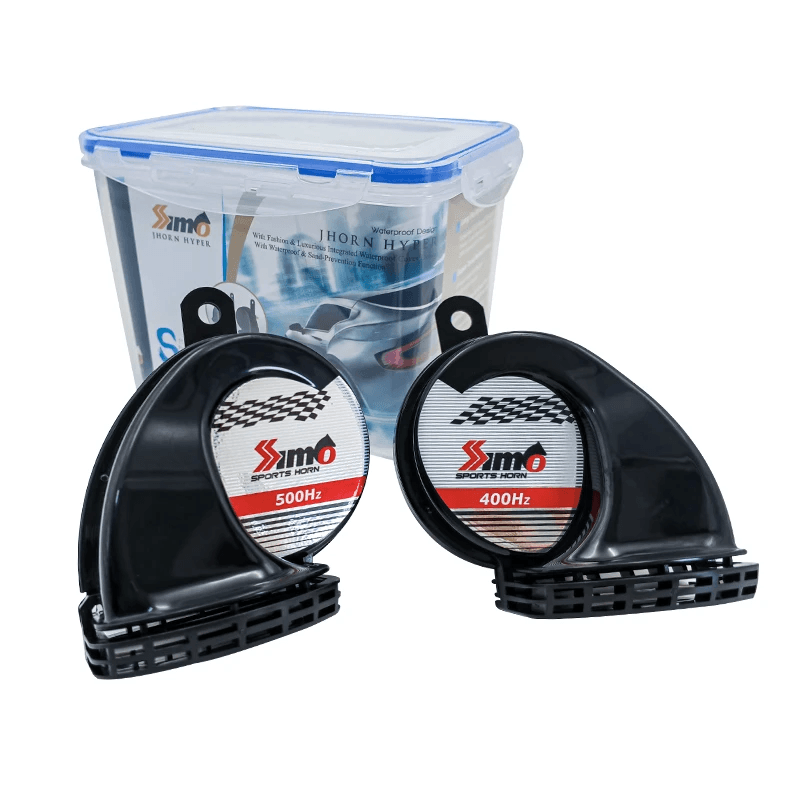
If you've ever found yourself wondering, Why is my car horn sound weak? you're not alone. A weak horn can be frustrating, especially when you need to alert other drivers or pedestrians. Understanding the common causes of a weak car horn sound can help you pinpoint the issue and take appropriate action.
Electrical Issues and Wiring Problems
Electrical issues are often at the heart of a weak car horn sound. If there's a problem with the wiring leading to your horn, it can significantly diminish its volume and effectiveness. Checking for frayed wires or loose connections is essential; sometimes, it’s just a matter of reconnecting or repairing faulty wiring to restore that powerful sport car horn sound you crave.
Beyond just the visible wiring, it's also important to inspect any electrical components involved in the circuit. Faulty relays or switches could be preventing your horn from receiving adequate power. So, if you're asking yourself how to fix car horn sound issues, start by examining those electrical connections closely.
Fuse Failures and Their Impact
Another common culprit behind a weak car horn is fuse failure. The fuse acts as a safeguard for your vehicle's electrical system; if it's blown, power won't reach your horn effectively. This simple component plays an outsized role in ensuring that your sport car horn sound reaches its full potential—so don’t overlook it during troubleshooting!
If you find that the fuse is blown, replacing it is usually straightforward and inexpensive. However, make sure to check why it blew in the first place; recurring blowouts might indicate deeper electrical problems that need addressing. When considering how to stop your car horn from sounding weak, start with this easy fix—it could save you time and hassle down the road.
Corroded or Loose Connectors
Corroded or loose connectors can also lead to diminished performance in your car's honking capabilities. Over time, moisture and dirt can build up at connection points, causing resistance that hampers current flow and results in a feeble-sounding honk—definitely not what you want when trying to get attention on the road!
To tackle this issue effectively, inspect all connectors related to your car’s horn system for signs of corrosion or looseness. Cleaning these connections can often restore functionality without needing extensive repairs or replacements. If you're curious about how to modify car horn sound later on, ensuring clean connections will be crucial for optimal performance.
How to Fix Car Horn Sound?
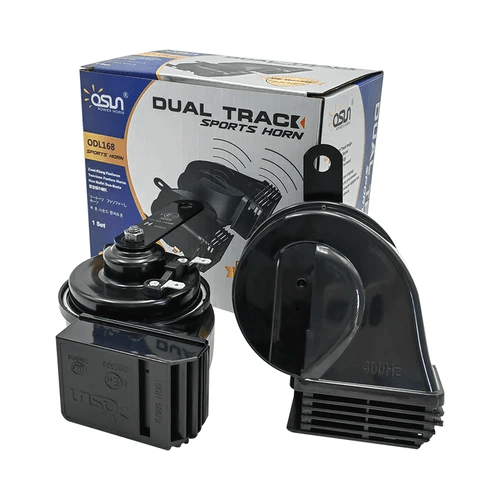
If you've been asking yourself, Why is my car horn sound weak? you're not alone. A malfunctioning horn can be frustrating and may even compromise your safety on the road. Fortunately, fixing a weak car horn sound is often straightforward if you follow some systematic steps.
Diagnosing the Issue Step-by-Step
To tackle the problem effectively, start by checking the electrical system of your vehicle. Begin with the fuse; a blown fuse could be why your car horn sound is weak or non-existent. Next, inspect the wiring for any visible damage or corrosion that could hinder performance—using a multimeter can help you identify electrical issues accurately.
Once you've ruled out these common culprits, test the horn itself by connecting it directly to a power source. If it sounds strong in this setup, then your issue lies elsewhere in the circuit. If it still sounds weak, it's time to consider replacing it or seeking professional assistance.
Replacing the Horn: Tools Needed
If you've determined that replacing your car horn is necessary, gather some essential tools first: you'll need a socket set, screwdrivers (both flathead and Phillips), and possibly wire connectors if you're dealing with damaged wires. Make sure to purchase a replacement horn that suits your vehicle's specifications—consider upgrading to a sport car horn sound for an enhanced auditory experience.
Before starting the replacement process, disconnect your battery to avoid any electrical mishaps while working on your vehicle. Once everything is set up and ready to go, follow manufacturer instructions carefully for installation; this will ensure that you get that robust sound back without complications.
Professional Help or DIY: What to Choose
When pondering How to fix car horn sound? you might wonder whether it's best tackled as a DIY project or if professional help is warranted. If you're comfortable with basic automotive repairs and have followed our diagnostic steps thoroughly, you might find success in fixing it yourself! However, if you're unsure about handling electrical components or feel overwhelmed by any part of the process like how to stop car horn from sounding unexpectedly during repairs, consulting a mechanic could save time and hassle.
Professional mechanics have specialized tools and expertise that can address more complex issues quickly—especially if modifications are involved like changing over to an aftermarket sport car horn sound for something more aggressive! Ultimately, choose what aligns best with your skill level and comfort zone; there’s no shame in asking for help when needed.
How to Stop Car Horn from Sounding?
Sometimes your car horn can take on a life of its own, sounding off at the most inconvenient times. If you’re wondering how to stop your car horn from sounding unexpectedly, understanding the underlying issues is essential. Let’s dive into identifying false triggers, adjusting sensitivity, and even repairing or replacing the horn switch.
Identifying False Triggers
False triggers can turn your peaceful drive into a cacophony of honks. The first step is to check if any objects are pressing against the horn button on your steering wheel or dashboard. Additionally, moisture can cause electrical shorts that lead to unintended honking—so inspect for any signs of water damage around the wiring and connections.
Once you've ruled out external factors, consider whether there are issues with your car's alarm system. Sometimes, a malfunctioning alarm can activate the horn without any input from you. By identifying these false triggers early on, you can save yourself from a lot of unnecessary honking and embarrassment.
Adjusting the Horn's Sensitivity
If your horn seems overly sensitive—honking at every bump in the road—adjusting its sensitivity might be necessary. Many horns come with adjustment screws that allow you to tweak how much pressure is needed to sound off. A simple turn of the screw could make all the difference in achieving that perfect balance between alertness and annoyance.
However, if you're unsure about making these adjustments yourself, it’s wise to consult your vehicle’s manual for specific instructions related to your model. Remember that while adjusting sensitivity may help reduce unwanted sounds, it won't entirely eliminate them if other underlying issues exist. So ask yourself: why is my car horn sound weak? It might be time for further investigation!
Repairing or Replacing the Horn Switch
If false triggers persist despite adjustments, it may be time to focus on repairing or replacing the horn switch itself. A faulty switch could be sending signals even when you’re not pressing it! To tackle this issue effectively, start by disconnecting the battery before removing any components associated with the steering wheel.
Once you've accessed the switch mechanism, look for signs of wear or damage such as frayed wires or corrosion around connectors—these could be culprits behind unwanted honks! If repairs seem too daunting or intricate for DIY enthusiasts wondering how to fix car horn sound problems efficiently, don’t hesitate to seek professional assistance.
How to Modify Car Horn Sound?

If you're tired of your car's weak horn sound and want to make a statement on the road, modifying your horn can be an exciting project. Whether you're looking for a sport car horn sound or just something that grabs attention, there are plenty of options available. Let’s dive into how to transform that unimpressive beep into a robust blast.
Upgrading to a Sport Car Horn Sound
Upgrading to a sport car horn sound is one of the most popular modifications among car enthusiasts. These horns not only provide a more powerful sound but also add an element of personality to your vehicle. When considering an upgrade, look for horns specifically designed for performance; they often feature dual-tone or air horns that produce a more aggressive tone compared to standard models.
To ensure you choose the right product, check compatibility with your vehicle's electrical system and installation requirements. Remember, if you're asking yourself Why is my car horn sound weak? it could be time for this upgrade! Once installed, you’ll notice not just the volume increase but also how much more confident you feel when alerting others on the road.
Exploring Aftermarket Options
The aftermarket world is brimming with options when it comes to enhancing your car horn sound. From compact air horns that pack a punch to elaborate multi-tone systems, you can find something that suits both your style and budget. Research different brands and read reviews; some manufacturers specialize in producing high-quality sport car horn sounds that can make your vehicle stand out.
Consider factors such as ease of installation and whether you'll need additional components like relays or wiring harnesses. If you're wondering How to modify car horn sound? start by browsing local auto parts stores or online retailers specializing in automotive accessories; you'll likely find everything you need right at your fingertips!
Installation Tips for Enhanced Sound
Installing a new horn isn't rocket science, but there are some tips and tricks that can help ensure you get the best results possible while avoiding common pitfalls along the way. First off, always disconnect the battery before starting any electrical work—safety first! When mounting the new horn, pay attention to its orientation; positioning it correctly can significantly affect its output quality.
If you're unsure about tackling this modification alone, consider consulting online tutorials or asking friends who have experience with similar projects—this will help answer questions like How to fix car horn sound? If all else fails and you’re still pondering “How to stop car horn from sounding?” remember professional help is always an option!
Maintenance Tips to Prevent Horn Issues
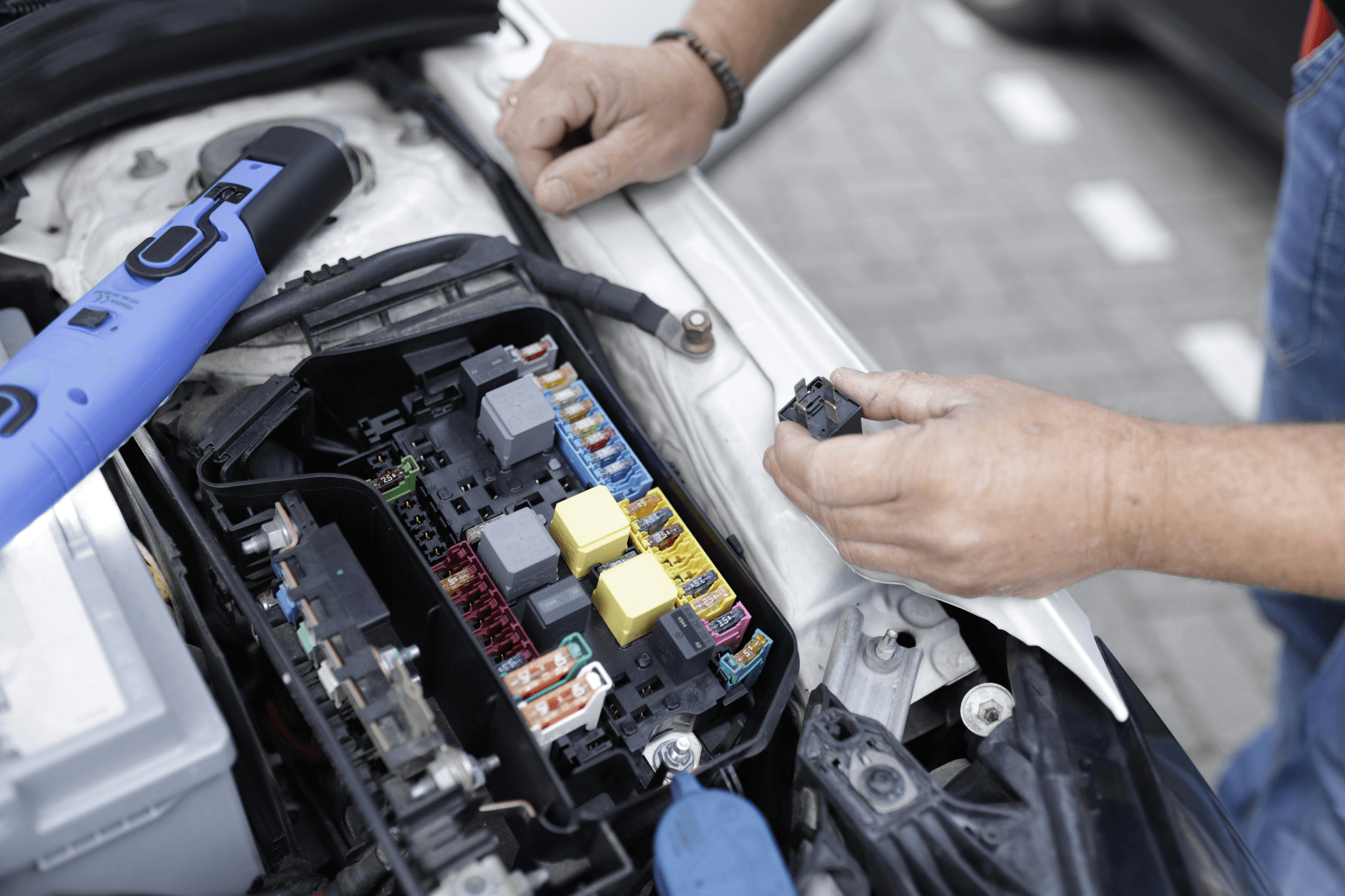
Maintaining your car horn is crucial for ensuring it functions effectively when needed. A weak car horn sound can be a nuisance, and regular maintenance can help prevent issues before they arise. Here are some essential tips to keep your horn in top shape.
Regular Inspection of Components
One of the best ways to prevent problems with your car horn is through regular inspections of its components. Check the horn itself, wiring, and connections for any signs of wear or damage that could lead to a weak car horn sound. By identifying potential issues early, you can ask yourself, How to fix car horn sound? before it becomes a bigger problem.
Cleaning Electrical Connections
Dirty or corroded electrical connections can significantly impact your horn's performance. Make it a habit to clean these connections periodically; this simple step can help avoid the frustration of a malfunctioning horn. If you ever find yourself wondering how to stop your car horn from sounding unexpectedly, cleaning these connections may just do the trick.
Choosing Quality Parts from Osun
When replacing parts or upgrading your car's sound system, always opt for quality components from trusted sources like Osun. Using high-quality parts ensures that you won't have to deal with frequent repairs and keeps that sport car horn sound crisp and powerful. Remember, investing in quality now means fewer headaches later on—especially if you're considering how to modify your car horn sound for an enhanced auditory experience.
Conclusion
In summary, understanding the nuances of your car horn is crucial for both safety and communication on the road. A weak horn sound can stem from various issues, including electrical problems, fuse failures, and corroded connectors. By identifying these causes, you’ll be better equipped to address the question: Why is my car horn sound weak?
Recap of Weak Horn Sound Causes
The primary culprits behind a weak car horn sound often include electrical wiring issues that can diminish power delivery to the horn itself. Additionally, fuse failures can disrupt the circuit necessary for optimal performance, leading to a less-than-loud honk when you need it most. Corroded or loose connectors are also common offenders that compromise the connection and lead to that feeble beep we all dread.
Simple Fixes for Common Issues
When asking yourself how to fix car horn sound problems, start with a thorough diagnosis of your vehicle’s electrical system and connections. Often, simply replacing a blown fuse or tightening loose connectors can restore your horn’s volume significantly. If those quick fixes don’t work, consider replacing the entire horn unit; it may just need an upgrade for that sport car horn sound you’ve been dreaming about.
Future-Proofing with Preventive Maintenance
To avoid future headaches with your car's honking capabilities, regular maintenance is key! Inspecting components periodically helps catch issues before they escalate into full-blown malfunctions; this includes checking for corrosion and ensuring all connections are clean and secure. Moreover, investing in quality parts from reputable brands can ensure that your modifications—like enhancing your car's horn sound—are built to last.