
Introduction
Among the various types of horns available, the sole horn stands out for its unique design and purpose. Understanding how these horns work can enhance your appreciation for automotive sound systems and help you make informed choices.
Understanding Sole Horns in Cars
A sole horn is designed to emit a single tone, providing clear auditory signals that are essential for alerting pedestrians and other drivers. Unlike more complex systems, such as tweeter horns that combine multiple frequencies for richer sound quality, sole horns focus on delivering a straightforward message: I'm here! This simplicity makes them popular in various vehicles, ensuring they fulfill their primary function without unnecessary embellishments.
The Mechanics Behind Horn Design
The mechanics of horn design involve intricate engineering that determines how sound waves are produced and amplified. For instance, the tweeter horn design employs specialized shapes to enhance sound projection and clarity, making it ideal for high-frequency sounds. In contrast, other designs like the 12v snail horn utilize a different approach to achieve distinct tones that can cut through ambient noise.
Popular Types of Car Horns
Car enthusiasts often debate over which type of horn reigns supreme—be it the classic Denso horn known for reliability or the trendy snail horn type R favored by modders for its unique aesthetic appeal. Each type has its own set of advantages; while some prioritize volume and clarity like the tweeter & horns combination, others focus on distinctive sound profiles that resonate with specific audiences. With options ranging from standard models to those manufactured in China offering budget-friendly alternatives, there's a perfect fit for every driver’s needs.
What is a Sole Horn?
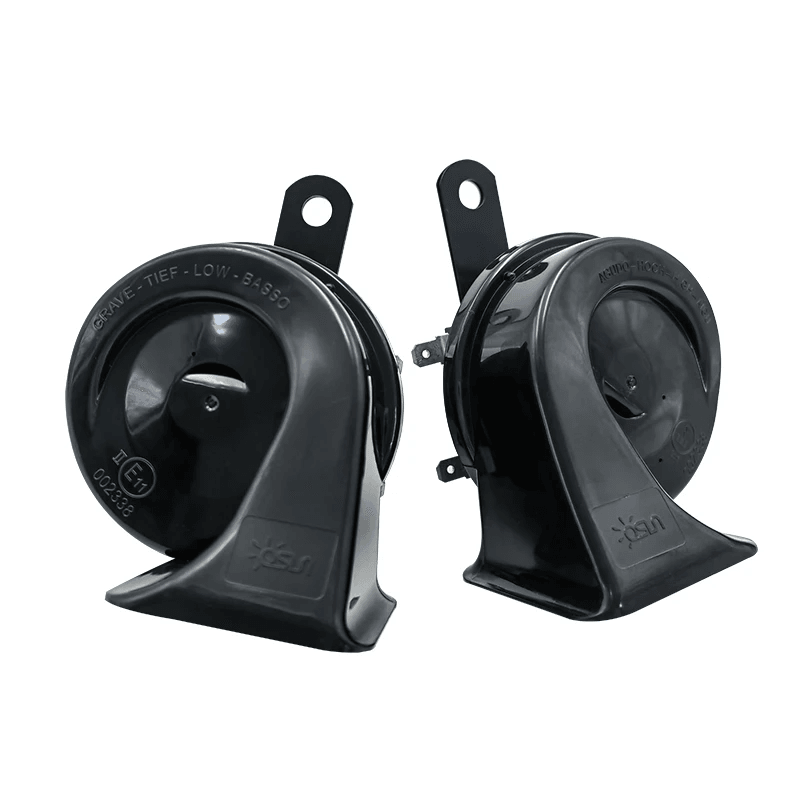
When it comes to automotive sound systems, the term sole horn often surfaces in discussions about vehicle safety and communication. A sole horn serves as an essential auditory warning device, designed to alert pedestrians and other drivers of a vehicle's presence. Its primary purpose goes beyond mere noise-making; it plays a crucial role in enhancing road safety.
Definition and Purpose of a Sole Horn
A sole horn is essentially a single-tone sound-producing device typically found in vehicles, ensuring that the driver can communicate effectively with others on the road. Unlike multi-tone horns, which may offer varying pitches, the sole horn delivers a consistent pitch that can be easily recognized by those nearby. This clarity in sound helps avoid confusion during critical moments when immediate attention is required.
The purpose of this type of horn extends into several areas: from signaling lane changes to alerting pedestrians at crosswalks, every honk has its meaning. Many drivers opt for upgrades like the tweeter horn design or even 12v snail horns for enhanced performance, but the classic sole horn remains an integral part of automotive safety features.
Differences Between Various Horn Types
In the world of car horns, understanding differences between types can be quite enlightening. While the sole horn focuses on delivering a clear and straightforward auditory signal, other types like tweeter horns enhance frequency ranges for richer sound quality. The snail horn type R offers unique characteristics with its distinct shape and sound profile that appeals to enthusiasts wanting something beyond standard offerings.
Comparatively speaking, traditional horns might produce louder sounds but lack the finesse found in more specialized designs like tweeter & horns or 12v snail horns. Each type serves specific purposes depending on user preference; for example, Denso horns are known for their reliability but may not match the nuanced performance offered by high-end models such as tweeter horns.
Common Applications in Vehicles
Sole horns are commonly installed in various vehicles ranging from compact cars to larger trucks and buses due to their effectiveness and simplicity. In urban settings where quick communication is vital, these horns help maintain smooth traffic flow while ensuring pedestrian safety through clear alerts. Moreover, many vehicle manufacturers incorporate these fundamental components into their design philosophy to meet regulatory requirements while prioritizing driver convenience.
In addition to standard applications, enthusiasts often seek out alternatives like 12v snail horns or even custom installations featuring advanced tweeter designs for improved auditory experiences during driving adventures. Whether you're navigating busy city streets or cruising along scenic routes, having an effective sound system—including a reliable sole horn—ensures you stay connected with your environment while enhancing overall driving pleasure.
The Tweeter Horn Design Explained

When it comes to car horns, the tweeter horn design is a game changer. This innovative approach combines high-frequency sound production with the robust functionality of traditional horns, making it a popular choice among car enthusiasts and everyday drivers alike. Not only does the tweeter horn elevate the auditory experience, but it also integrates seamlessly with other components such as the 12v snail horn for a more comprehensive sound profile.
Benefits of Using a Tweeter Horn
Tweeter horns offer several advantages over standard designs, primarily in terms of sound clarity and range. These horns excel at producing sharp, crisp sounds that can cut through ambient noise, ensuring that your vehicle is heard in even the noisiest environments. Additionally, when paired with a sole horn or integrated into systems like the snail horn type R, they create an impressive auditory display that enhances overall safety on the road.
Moreover, tweeter horns are often lighter and more compact than traditional options, which allows for easier installation in various vehicles without compromising space or aesthetics. Their ability to handle higher frequencies means that they can produce sounds that are not only louder but also more pleasing to the ear compared to many standard models like those from Denso horn lines. Ultimately, this makes them an attractive option for those who prioritize both performance and style.
How Tweeter Horns Enhance Sound Quality
The engineering behind tweeter horns focuses on delivering superior sound quality by utilizing advanced materials and design techniques. Unlike conventional horns that may produce muddled or distorted sounds at higher frequencies, tweeters are specifically crafted to ensure clarity and precision in audio output. This enhancement is particularly noticeable when you consider how well these horns work alongside other types like the 12v snail horn.
Incorporating a tweeter into your car's audio system not only boosts volume but also enriches tonal quality across various frequency ranges. This synergy between different types of horns—such as combining a sole horn with a tweeter—creates an immersive auditory experience that's hard to beat on the road. As a result, drivers can enjoy music or alerts without sacrificing clarity or impact.
Comparisons with Traditional Horns
When comparing tweeter horns to traditional options, several key differences emerge that highlight their superiority in modern automotive applications. Traditional horns often lack the frequency range needed to produce clear high notes; many simply rely on low-frequency outputs which can lead to less effective signaling in busy environments. In contrast, incorporating tweeters allows for a fuller sound spectrum when combined with other styles like snail horn type R or even budget-friendly models from China horn manufacturers.
Additionally, while standard horns may be adequate for basic signaling needs—think of those classic car honks—a combination involving a tweeter offers versatility beyond mere alerts; it transforms your vehicle into an engaging audio experience reminiscent of concert-quality sound systems found at home or in professional setups. Thus, opting for innovative designs such as these ensures you’re not just heard but appreciated on every drive.
Exploring the 12v Snail Horn
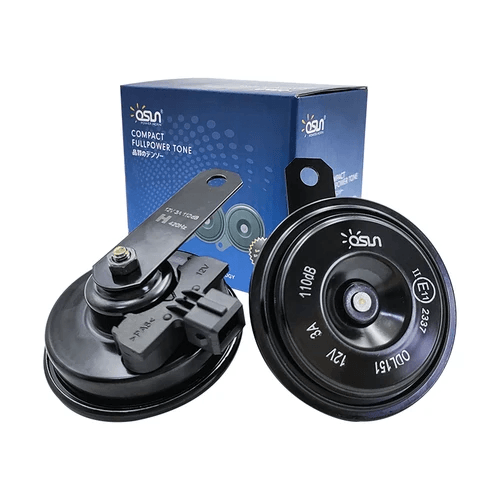
The 12v snail horn has gained popularity among car enthusiasts for its unique design and impressive sound output. Unlike traditional horns, this model features a compact and streamlined shape, making it an attractive addition to any vehicle. With its distinctive sound that stands out in traffic, the 12v snail horn is a favorite for those looking to upgrade their car's auditory experience.
Features of the 12v Snail Horn
One of the most notable features of the 12v snail horn is its dual-tone capability, which allows it to produce a richer sound profile compared to standard horns. This feature is particularly appealing for drivers who want their vehicle to be heard without being overly aggressive—a fine balance that appeals to both safety and style. Additionally, the construction often includes durable materials that can withstand harsh weather conditions, ensuring longevity and consistent performance over time.
Installation Tips for 12v Snail Horns
Installing a 12v snail horn can be straightforward if you follow some simple tips. First, ensure you have all necessary tools on hand—typically including a wrench set and electrical connectors—to make the process smoother. When connecting your new horn, pay close attention to polarity; improper wiring can lead to functionality issues or even damage your vehicle's electrical system.
Advantages Over Standard Horns
The advantages of using a 12v snail horn over standard horns are numerous and compelling. For starters, they often deliver superior sound quality thanks to their tweeter horn design that enhances clarity and volume without distortion. Furthermore, many models are lightweight yet robust, making them easier to install while also providing excellent performance—a win-win situation for any car owner looking for an upgrade from traditional Denso horns or other basic options.
The Snail Horn Type R and Its Appeal
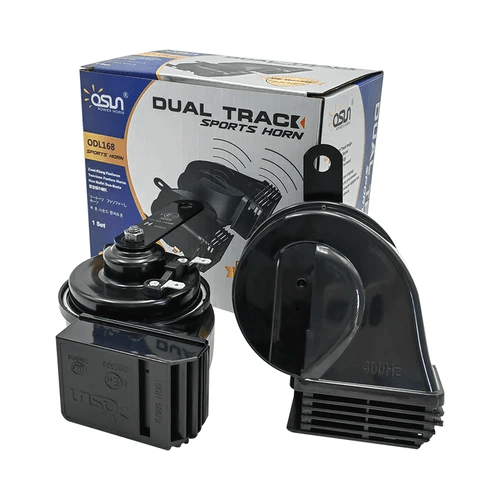
The Snail Horn Type R has carved out a niche for itself in the automotive world, captivating car enthusiasts with its distinctive design and robust performance. Unlike traditional horns, this model features a unique snail-like shape that not only adds aesthetic flair but also optimizes sound output. As part of the broader category of sole horns, the Snail Horn Type R exemplifies how innovative horn tweeter designs can elevate the auditory experience in vehicles.
Unique Characteristics of Snail Horn Type R
One of the standout features of the Snail Horn Type R is its compact yet powerful structure, which allows it to fit snugly in various vehicle types while delivering impressive sound levels. Its design incorporates advanced materials that enhance durability and resistance to weather conditions, making it an ideal choice for outdoor enthusiasts. Additionally, this horn boasts a dual-tone output that combines high-pitched notes with deeper bass sounds, creating a rich auditory experience that sets it apart from standard 12v snail horns.
Sound Quality and Performance Analysis
When it comes to sound quality, the Snail Horn Type R shines with its crisp and clear audio delivery that rivals many tweeter horn designs on the market today. The engineering behind this horn ensures minimal distortion at high volumes, allowing drivers to make their presence known without sacrificing clarity. Performance-wise, users have reported significant improvements over traditional horns like Denso horns; the enhanced frequency range offers both attention-grabbing alerts and musicality that resonates well with audiophiles.
Popularity Among Enthusiasts
The popularity of the Snail Horn Type R among car enthusiasts is no accident; it's a testament to its blend of style and functionality. Many drivers appreciate how easily it integrates into custom builds or factory setups alike, making it a versatile option for those looking to upgrade their vehicle's sound system. As word spreads about its superior performance compared to other options in China horn manufacturing, more automotive aficionados are opting for this innovative solution when choosing their next sole horn upgrade.
Overview of China Horn Manufacturing
China has emerged as a dominant force in the global horn manufacturing industry, producing a wide variety of automotive horns, including sole horns and tweeter horns. The country's extensive manufacturing capabilities allow for the mass production of different horn types, such as the 12v snail horn and Denso horns, catering to diverse market needs. With an increasing focus on quality and innovation, China's horn manufacturers are setting new standards in sound performance and durability.
Key Players in the Horn Market
Several key players dominate the China horn market, ranging from well-established brands to emerging manufacturers specializing in innovative designs. Companies like Osun have gained recognition for their high-quality products, including tweeter & horns that enhance vehicle sound systems. Additionally, various local manufacturers produce popular models like the snail horn type R, contributing to a competitive landscape that drives advancements in automotive sound technology.
Quality Standards in Chinese Horn Production
Quality standards in Chinese horn production have significantly improved over recent years due to increased competition and consumer demand for reliable products. Many manufacturers adhere to international safety and performance standards while producing sole horns and other types of automotive horns. This commitment to quality ensures that products like the 12v snail horn not only meet but often exceed expectations regarding durability and sound clarity.
Osun’s Role in the Global Market
Osun has carved out a significant niche within the global market by focusing on high-performance automotive horns such as tweeter horns and traditional models alike. Their dedication to innovation allows them to offer unique features that appeal to car enthusiasts who seek superior sound quality from their vehicles’ audio systems. As they continue expanding their reach beyond China, Osun is poised to influence trends in horn design globally while maintaining their reputation for excellence.
Conclusion

In the ever-evolving world of automotive accessories, horns play a crucial role in safety and communication on the road. The advancements in horn tweeter technology, particularly with designs like the sole horn and 12v snail horn, have significantly enhanced sound clarity and volume. As car enthusiasts seek better performance from their vehicles, understanding these innovations becomes essential.
The Impact of Horn Tweeter Technology
Horn tweeter technology has revolutionized how we perceive sound in our vehicles. The incorporation of tweeter horn designs allows for a wider range of frequencies, making alerts more noticeable and pleasing to the ear. This innovation is particularly evident in products like the snail horn Type R, which offers impressive sound quality that stands out among traditional horns.
Choosing the Right Horn for Your Car
Selecting the right horn for your vehicle can be a daunting task given the variety available today—from sole horns to 12v snail horns. Consider factors such as sound output, installation requirements, and compatibility with your car's electrical system when making your choice. For those who prioritize performance and clarity, investing in a quality denso horn or a well-reviewed tweeter & horns setup can make all the difference.
Future Trends in Automotive Horn Design
As we look ahead, future trends in automotive horn design are likely to focus on integrating smart technology with traditional systems. Expect to see innovations that enhance not only sound quality but also connectivity features that allow customization via mobile apps or vehicle interfaces. With China leading in manufacturing advancements for products like the 12v snail horn and other models, we can anticipate exciting developments that will redefine what we expect from our car horns.