
Introduction
In the world of audio equipment, few components are as crucial yet often misunderstood as tweeter & horns. These two types of speakers play a significant role in delivering high-quality sound, but many enthusiasts remain baffled by their differences and applications. Understanding tweeter speakers and horn speakers can elevate your audio experience, especially in environments like cars where sound clarity matters most.
Understanding Tweeter & Horns
Tweeter & horns serve distinct purposes in the realm of sound reproduction. Tweeter speakers are designed to handle high frequencies, ensuring that the crispness of vocals and instruments shines through. On the other hand, horn speakers amplify sound efficiently over long distances, making them a popular choice for outdoor events or large venues.
Importance of Quality Sound
Quality sound is not just about volume; it's about clarity and richness that enhance your listening experience. Whether you're enjoying music on a road trip or tuning into your favorite podcast at home, having the right audio horns for cars can make all the difference. Investing in quality tweeter & horns guarantees that you won't miss out on subtle nuances within your favorite tracks.
Common Misconceptions
Many people mistakenly believe that all speakers are created equal when it comes to sound output; however, this could not be further from the truth regarding tweeter speakers and horn speakers. Some think that higher wattage equates to better quality, ignoring crucial factors like frequency response and sensitivity ratings instead. By debunking these common misconceptions surrounding tweeter & horns, we can help consumers make informed choices for their audio systems.
The Basics of Tweeter & Horns
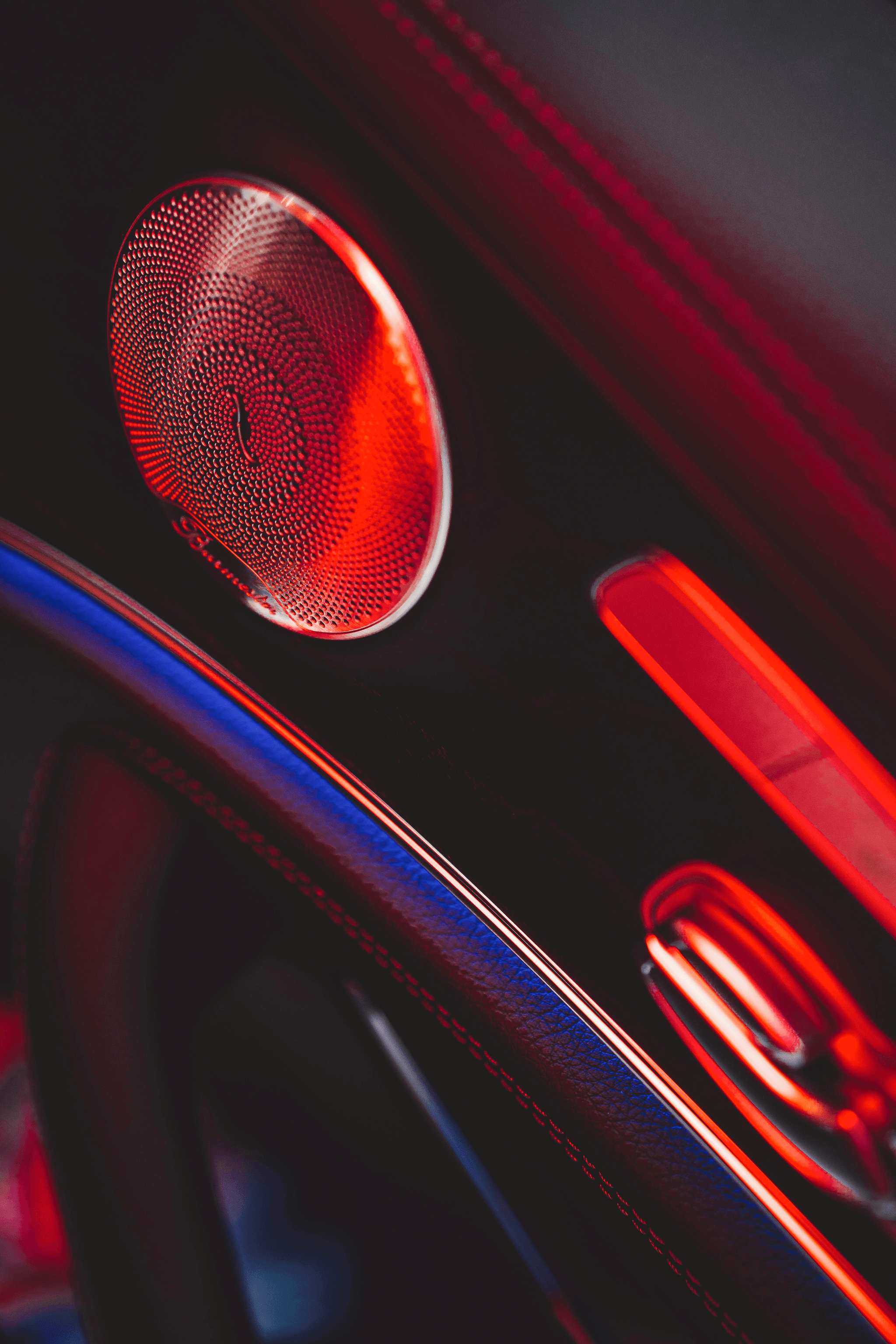
When diving into the world of audio, understanding the fundamentals of tweeter & horns is essential for any sound enthusiast. These components play a crucial role in delivering high-quality audio, especially in settings like cars where space is limited but sound quality is paramount. Let's explore what makes tweeter speakers and horn speakers unique, and how they differ from one another.
What are Tweeter Speakers?
Tweeter speakers are specialized drivers designed to reproduce high-frequency sounds, typically ranging from 2 kHz to 20 kHz or more. Their small size allows them to fit seamlessly into various audio setups, making them an ideal choice for enhancing clarity in music and dialogue. When paired with other speaker types, tweeters help create a balanced soundstage that brings your favorite tunes to life.
One of the key features of tweeter speakers is their ability to produce crisp, clear highs without distortion, which is often a concern with larger drivers. They can be found in various forms—such as dome, ribbon, and piezoelectric—each offering unique characteristics suited for different listening environments. If you’re looking to boost your car’s audio system or home theater setup, incorporating quality tweeters can make all the difference.
Exploring Horn Speakers
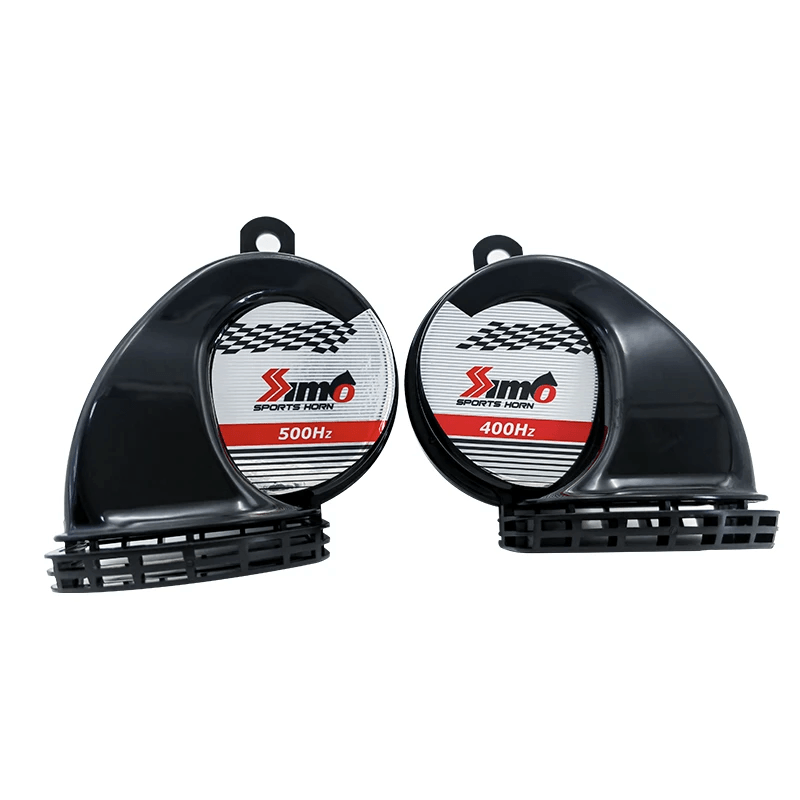
Horn speakers utilize a unique design that amplifies sound through a horn-shaped structure, enhancing both efficiency and directionality. This design allows horn speakers to produce louder volumes with less power compared to traditional cone speakers while maintaining clarity across various frequencies. In many cases, horn speaker tweeters are integrated into professional audio setups due to their ability to project sound over long distances.
The construction of horn speakers also contributes significantly to their acoustic performance; they often feature materials that minimize distortion and maximize output quality. Whether used in live events or installed in vehicles as audio horns for cars, these speakers provide an impactful listening experience that captivates audiences everywhere. If you're seeking powerful sound reproduction with minimal effort on your amplifier's part, horn speakers might just be your best bet.
Differences Between Tweeter & Horn Speakers
While both tweeter & horns serve the purpose of enhancing audio quality, there are notable differences between them that cater to varying needs and preferences among listeners. Tweeter speakers excel at reproducing high frequencies with precision but may lack the volume capabilities found in larger horn systems; this makes them perfect for detailed soundscapes but less suited for large venues without additional support from other speaker types.
On the other hand, horn speakers offer superior efficiency and volume control due to their design but may not achieve the same level of nuance at higher frequencies as dedicated tweeters do. This means that while you might enjoy booming bass from a horn speaker setup paired with subwoofers, you could miss out on some delicate treble details unless you include high-quality tweeters in your system as well. Ultimately, understanding these differences can guide you toward creating an optimal audio environment tailored specifically for your listening preferences.
Sound Quality Considerations
When it comes to audio, sound quality is paramount, especially when dealing with tweeter & horns. These components play a crucial role in delivering crisp highs and vibrant sounds that can elevate your listening experience. Understanding the nuances of frequency response, sensitivity ratings, and how to choose the right audio horns for cars can help you make informed decisions.
Frequency Response in Tweeter & Horns
Frequency response refers to how well a speaker reproduces different frequencies within the audio spectrum. Tweeter speakers are designed to handle high frequencies, typically ranging from 2 kHz to 20 kHz or more, while horn speakers often cover a broader range thanks to their design and efficiency. When selecting tweeter & horns for your setup, ensure that they complement each other’s frequency ranges for a balanced sound.
The frequency response curve will indicate how accurately a speaker reproduces sound at various frequencies. For instance, if you’re using horn speaker tweeters alongside traditional woofers, the crossover points should align well to avoid gaps or overlaps in sound reproduction. This alignment ensures that every note and nuance of your favorite tracks is delivered with clarity.
Importance of Sensitivity Ratings
Sensitivity ratings are crucial when evaluating tweeter & horns since they indicate how efficiently a speaker converts power into sound output. Measured in decibels (dB), higher sensitivity ratings mean that less power is needed for louder volumes—perfect for those who love cranking up their tunes! When comparing horn speakers and tweeter speakers, look for sensitivity ratings above 90 dB for optimal performance.
A higher sensitivity rating also means less strain on your amplifier or receiver, which can lead to cleaner sound at higher volumes without distortion. If you're considering audio horns for cars, pay attention to these ratings as they impact how well your system performs under various conditions like road noise and varying speeds. Investing in highly sensitive horn speaker tweeters can enhance your overall experience significantly.
Choosing Audio Horns for Cars
Choosing the right audio horns for cars involves more than just picking the flashiest option on the market; it requires careful consideration of compatibility and performance features. First off, determine what type of music you enjoy most—this will influence whether you lean towards powerful bass-heavy systems or crisp treble-focused setups with quality tweeter speakers included.
Next, consider factors such as mounting options and available space within your vehicle; some horn speakers may require specific installations that could impact overall aesthetics or functionality if not properly accounted for. Finally, don't forget about brand reputation; opting for reliable brands known for producing high-quality tweeter & horns will ensure longevity and satisfaction with your purchase.
Installation Factors
When it comes to enhancing your audio experience with tweeter & horns, installation plays a crucial role. Proper positioning and mounting techniques can significantly impact the performance of both tweeter speakers and horn speakers. Additionally, ensuring compatibility with existing audio systems is essential for achieving that sweet sound you crave.
Positioning Tweeter Speakers for Optimal Sound
Positioning your tweeter speakers correctly is vital for delivering crisp, clear high frequencies. Ideally, tweeter speakers should be mounted at ear level or slightly above to create an immersive listening experience. Experimenting with angles can also help; tilting the tweeters toward the listener often enhances sound clarity and directionality.
In vehicles, consider placing audio horns for cars in locations that minimize obstruction from other components or passengers. The goal is to create a balanced sound stage where high frequencies are not overshadowed by lower tones from larger speakers. Remember that the right positioning of tweeter & horns can make all the difference in how you perceive music while driving.
Mounting Techniques for Horn Speakers
Mounting techniques for horn speakers require careful consideration to ensure stability and optimal performance. These horn speaker tweeters often come with various mounting options—surface mount, flush mount, or bracket mount—each catering to different installation preferences and vehicle types. Selecting the right technique will not only secure your horn speaker but also enhance its acoustic properties.
When installing horn speakers, pay attention to their placement relative to other audio components; they should ideally be positioned away from obstructions that might muffle their output. Using proper screws and brackets designed specifically for your model will prevent unnecessary vibrations that could distort sound quality over time. A well-mounted horn speaker ensures longevity and consistent performance.
Compatibility with Existing Audio Systems
Before diving into installation, it’s crucial to assess compatibility between your new tweeter & horns and your existing audio system setup. Ensure that your amplifier can handle the power requirements of both tweeter speakers and horn speakers without distortion or damage—after all, nobody wants a blown speaker! Checking impedance ratings will help avoid mismatches that could lead to poor performance.
Additionally, consider whether your current head unit has dedicated outputs for these high-frequency drivers; if not, you may need an external crossover or adapter for optimal integration. This compatibility check extends beyond just technical specifications; aesthetic considerations also matter when blending new components into an existing setup seamlessly. Ultimately, ensuring compatibility will save you headaches down the road while allowing you to enjoy rich sounds from your upgraded system.
Brand and Product Recommendations

When diving into the world of tweeter & horns, it’s essential to know which brands stand out in terms of quality and reliability. With a plethora of options available, making an informed decision can greatly enhance your audio experience. In this section, we’ll take a closer look at some prominent brands, including Xiamen Osun Electronic Technology Products, as well as other noteworthy contenders in the market.
Xiamen Osun Electronic Technology Products
Xiamen Osun Electronic Technology Products has carved a niche for itself in the realm of audio equipment, particularly with its tweeter speakers and horn speaker offerings. Known for their innovative designs and robust performance, their products cater to audiophiles seeking high-quality sound without breaking the bank. Whether you’re looking for compact tweeter speakers or powerful horn speakers to amplify your car's audio system, Xiamen Osun delivers reliable options that promise clarity and richness.
Comparing Features and Prices
When comparing features among different tweeter speakers and horn speakers, consider factors such as frequency response range, sensitivity ratings, and power handling capabilities. Pricing can vary widely based on these specifications; however, investing a bit more often results in superior sound quality. It’s wise to weigh each option carefully—after all, you want your horn speaker tweeter setup to not only fit your budget but also elevate your listening experience.
Maintenance and Upkeep
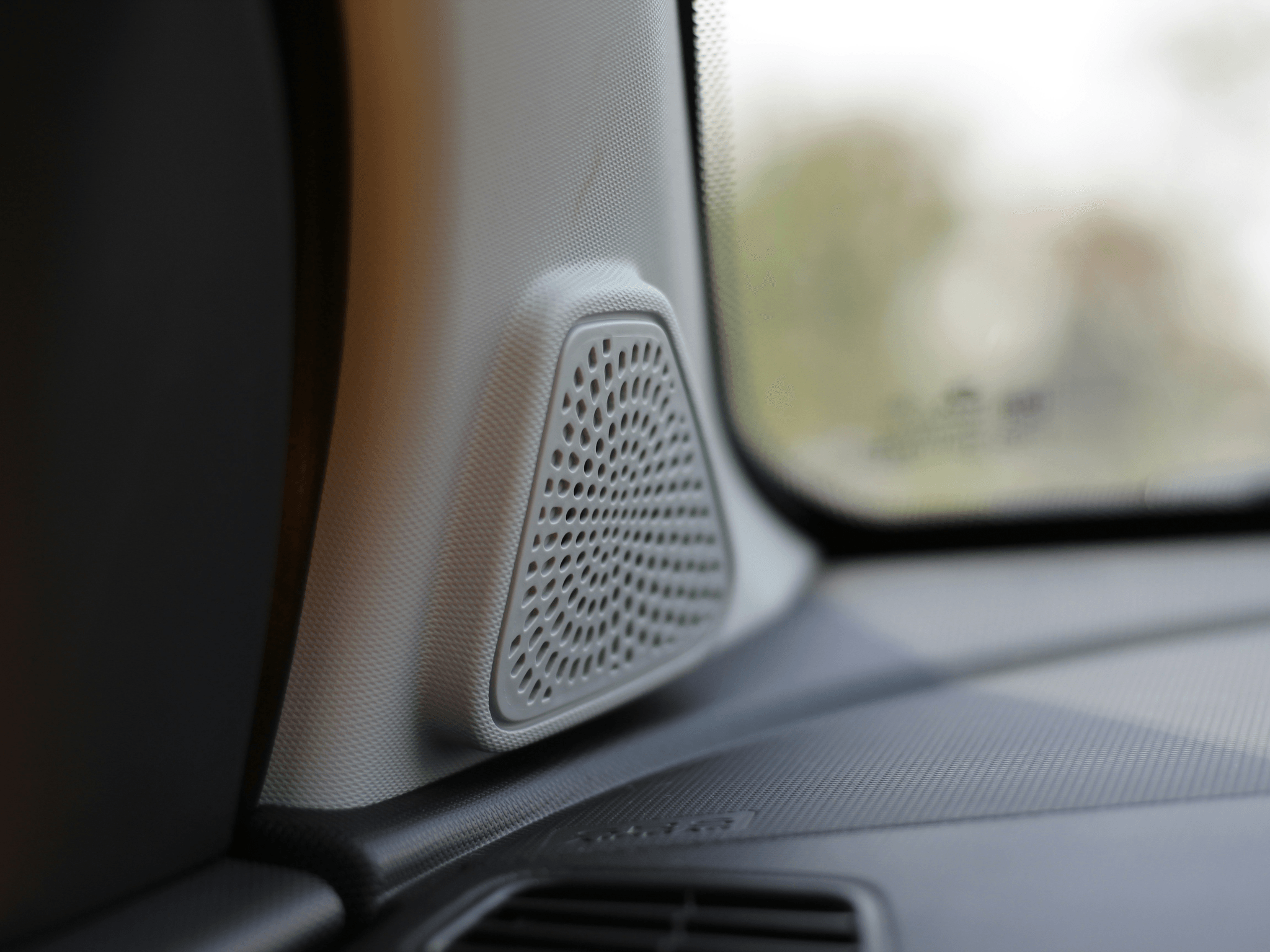
Keeping your tweeter & horns in prime condition is essential for enjoying high-quality sound. Regular maintenance ensures that your tweeter speakers and horn speakers perform at their best, providing crisp highs and powerful sound. A little care goes a long way, so let's dive into the specifics of maintaining these audio gems.
Cleaning and Care for Tweeter & Horns
To keep your tweeter speakers and horn speakers sounding pristine, regular cleaning is a must. Dust and debris can accumulate over time, affecting sound quality and performance. Use a soft cloth or microfiber towel to gently wipe down the surfaces, ensuring you don’t damage any delicate components; avoid using harsh chemicals that could harm the materials.
For audio horns for cars, consider using compressed air to blow out any dust trapped in hard-to-reach areas. This method helps maintain clarity without risking damage to the speaker itself. Remember that a clean setup not only sounds better but also looks great—who doesn’t want their tweeter & horns shining like new?
Common Issues and Troubleshooting
Even the best tweeter & horns can encounter issues from time to time, so it’s wise to be prepared with some troubleshooting tips. One common problem is distortion in sound output, which could be due to improper installation or compatibility issues with existing audio systems. Check all connections first; loose wires can lead to poor performance.
Another issue may arise from blown tweeter speakers or horn speaker tweeters failing altogether—this usually results in no sound or muffled output. If you suspect this is happening, testing each component individually can help pinpoint the culprit quickly. Remember that addressing problems early can save you money on replacements down the line!
When to Replace Your Tweeter Speaker or Horn
Knowing when it’s time to replace your tweeter speakers or horn speakers is crucial for maintaining optimal audio quality in your vehicle or home setup. Signs of wear include noticeable distortion even at lower volumes, complete silence from one side of your system, or physical damage like tears in speaker cones.
If you've cleaned and troubleshot without success, it may be time to invest in new audio horns for cars or replace specific components like a horn speaker tweeter that's past its prime. Regularly assessing your equipment will help ensure you're always enjoying top-notch sound quality without interruption! So keep an ear out—your ears will thank you later!
Conclusion
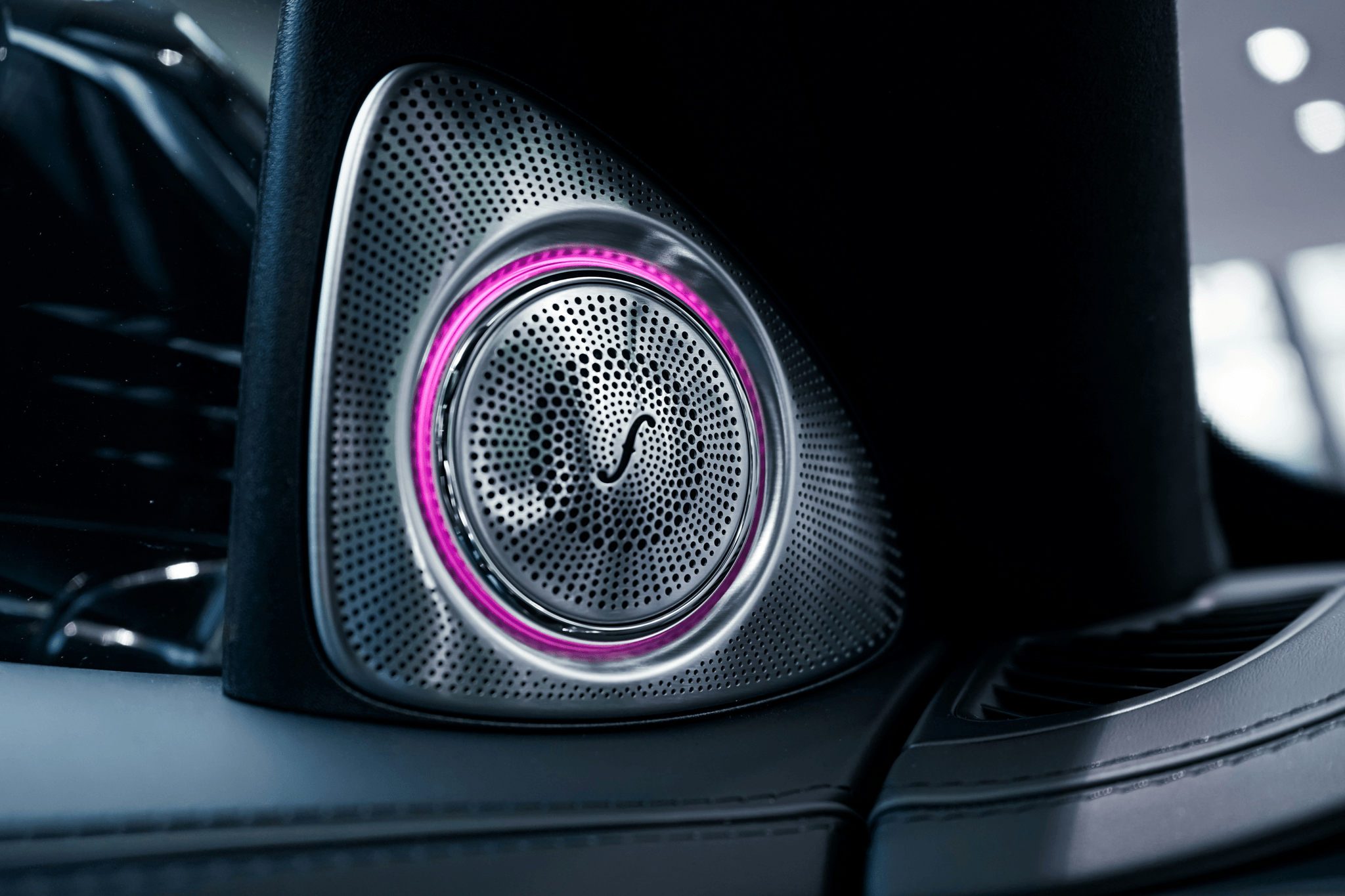
As we wrap up our exploration of tweeter & horns, it's clear that the right audio components can significantly enhance your listening experience. Whether you prefer the crisp highs of tweeter speakers or the powerful projection of horn speakers, understanding these elements is key to achieving optimal sound quality. Investing time in selecting the right audio horns for cars can make all the difference in how you enjoy your favorite tunes on the road.
Enhancing Your Audio Experience
To truly elevate your audio experience, consider integrating both tweeter speakers and horn speakers into your system. The combination allows for a broader frequency range and richer soundscapes, ensuring that no note goes unheard. Remember, positioning is crucial; place your tweeter & horns strategically to maximize sound clarity and immersion.
Final Tips for Choosing Wisely
When choosing between different types of tweeter & horns, always pay attention to specifications like sensitivity ratings and frequency response. Don’t let flashy marketing distract you; focus on what will work best with your existing setup and personal preferences. Lastly, don’t hesitate to invest in quality brands—your ears will thank you!
Future Trends in Tweeter & Horn Technology
The future of tweeter & horn technology looks promising with advancements such as wireless connectivity and enhanced materials that promise better durability and sound fidelity. Expect innovations that cater specifically to car audio systems, making installation simpler while improving performance across various environments. As audiophiles continue to demand more from their gear, manufacturers are likely to respond with even more sophisticated designs for both tweeters and horns.