
Introduction
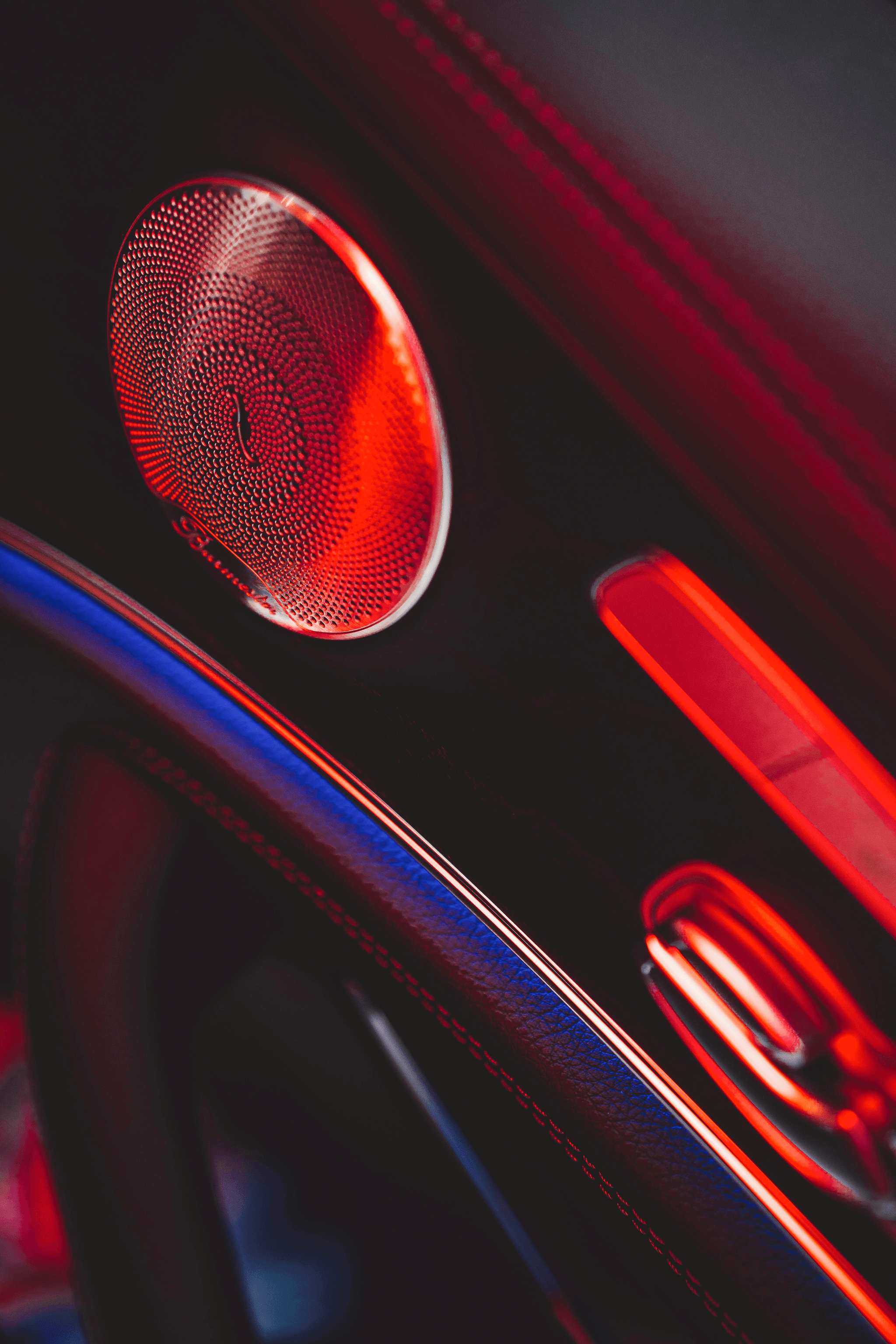
A high-quality speaker 12v setup not only elevates the audio but also transforms your daily commute into a concert-like experience. So, why settle for mediocre sound when you can have powerful, crystal-clear music that makes every drive enjoyable?
Upgrade Your Sound Experience
The right speakers can breathe new life into your vehicle’s audio system, allowing you to enjoy every note and beat as intended by the artist. But how much voltage should a car speaker have? With a robust 12V system, you ensure that your speakers receive adequate power to deliver optimal performance without distortion or loss of quality. Upgrading to high-power iron car speakers can significantly enhance the richness and clarity of sound, making each journey more memorable.
Why Choose High-Power Iron Car Speakers
High-power iron car speakers are designed to handle more wattage, providing a fuller sound with greater bass response and overall audio fidelity. If you've ever wondered which speakers are best for car audio, these models often stand out due to their durability and performance capabilities. By choosing high-power options, you're investing in an audio experience that hits harder—whether it's 2 ohm or 4 ohm car audio—ensuring that you feel every beat reverberate through your vehicle.
Benefits of 12V Audio Systems
A 12V audio system is essential for achieving reliable performance in your car's sound setup; it allows for consistent power delivery across all components. Understanding how many watts are good for a car speaker is crucial in selecting the right equipment; higher wattage typically means better sound quality and volume potential without distortion. Additionally, with a well-matched 12V system, you'll enjoy seamless integration of various components for an immersive listening experience that keeps you engaged on the road.
Understanding Car Speaker Voltage

The right voltage ensures optimal performance, allowing you to enjoy your favorite tunes without distortion or unexpected shutdowns. In this section, we’ll dive into the specifics of how much voltage a car speaker should have and why a 12V system is often the best choice.
How much voltage should a car speaker have?
So, how much voltage should a car speaker have? Ideally, most car speakers are designed to operate efficiently within a 12V system, which is the standard for automotive electrical systems. This means that when you're choosing speakers for your ride, you want to ensure they are compatible with this voltage level for the best performance and sound quality.
Many high-performance speakers can handle variations in voltage but sticking with the 12V standard will simplify your setup and minimize potential issues. If you stray too far from this range, you risk damaging your equipment or experiencing subpar audio quality. Therefore, when asking yourself How much voltage should a car speaker have?, remember that sticking to the 12V norm is usually your safest bet.
The importance of a 12V system
The importance of a 12V system cannot be overstated when it comes to car audio setups. This standard not only powers various electronic components in your vehicle but also provides consistent power delivery to your speakers. A stable power source ensures that you can enjoy clear sound without interruptions caused by fluctuating voltages.
Additionally, many aftermarket amplifiers and head units are designed specifically for 12V systems, making it easier to find compatible components when upgrading your audio experience. By choosing speakers that work seamlessly within this framework, you're setting yourself up for success—no more worrying about mismatched voltages or compatibility issues! So when considering which speakers are best for car audio, prioritize those designed for a reliable 12V environment.
Differences between high and low voltage speakers
When comparing high and low voltage speakers, several key differences emerge that can significantly impact performance. High-voltage speakers typically require more power but can deliver richer sound at higher volumes without distortion—a must-have feature if you're looking for an immersive listening experience on the road! Conversely, low-voltage options may be easier on your battery but often compromise on sound quality at higher volumes.
Another critical factor is efficiency; high-voltage systems tend to convert energy into sound more effectively than their lower-voltage counterparts. However, they also come with increased complexity in terms of installation and compatibility with existing equipment—something to consider before making any purchases! Ultimately, whether you're leaning toward high or low voltage options will depend on personal preferences and specific use cases; just keep in mind how these choices affect overall audio performance as well as longevity.
Choosing the Right Speakers
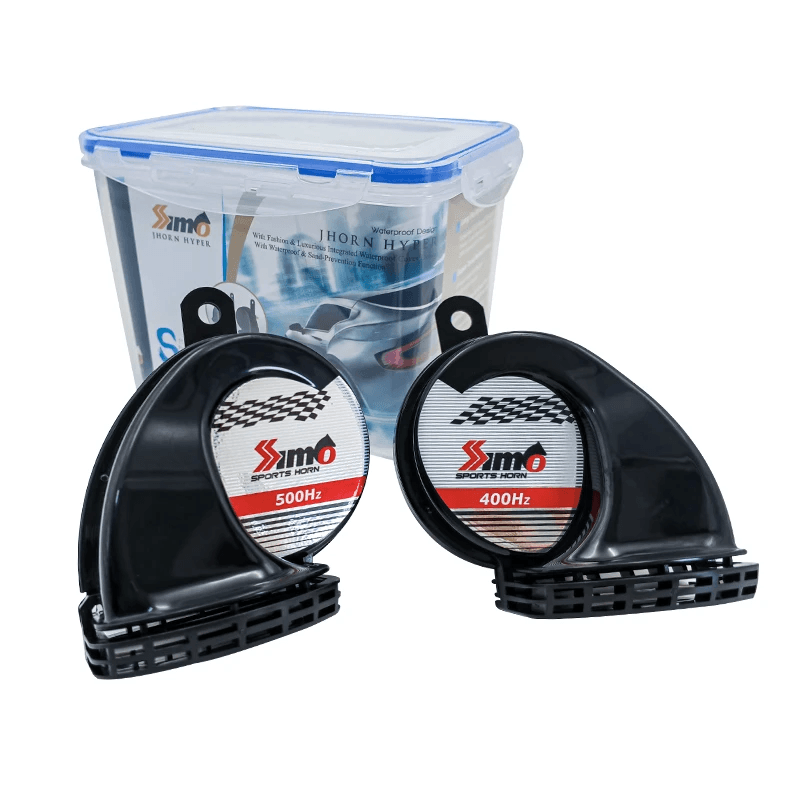
The market is flooded with options, and understanding which speakers are best for car audio can make all the difference in achieving that rich, immersive sound experience you crave. Whether you're a casual listener or an audiophile, knowing how to choose the right speaker 12v setup will elevate your driving experience.
Which speakers are best for car audio?
Finding the ideal speakers for your vehicle involves a bit of research and personal preference. Generally, components like coaxial and component speakers stand out as popular choices in the realm of car audio. Coaxial speakers are great for ease of installation and offer decent sound quality, while component systems allow for more customization and typically deliver superior clarity—perfect if you're pondering how much voltage should a car speaker have to achieve optimal performance.
In terms of brands, you might want to check out well-known names like JBL, Pioneer, and Alpine; they consistently produce high-quality options that cater to various budgets and preferences. However, it’s important to remember that best can be subjective; some may prefer punchy bass while others seek crystal-clear highs. Ultimately, consider what hits harder: 2 ohm or 4 ohm car audio setups based on your listening habits and vehicle acoustics.
Overview of popular brands and models
When diving into the world of car audio systems, certain brands have established themselves as frontrunners in delivering quality sound solutions. JBL's GTO series offers excellent performance across different frequencies while maintaining affordability—a solid choice if you're wondering how many watts are good for a car speaker without breaking the bank. Meanwhile, Pioneer’s TS series is renowned for its durability and clear sound reproduction.
For those seeking premium options, Focal provides high-end models that promise exceptional clarity but come with a heftier price tag—ideal if you’re looking to invest in long-lasting quality. Rockford Fosgate also deserves mention; their Punch series is designed specifically for bass enthusiasts looking to feel every beat without sacrificing overall sound quality.
Factors to consider for a quality sound upgrade
Upgrading your car's audio system isn't just about picking any speaker; several factors play into ensuring you get that sought-after quality boost from your speaker 12v system. First off, pay attention to power handling capabilities—this ties back into how many watts are good for a car speaker based on your amplifier’s output capacity; mismatched power ratings can lead to distortion or damage over time.
Next on the list is sensitivity rating: higher sensitivity means better efficiency at converting power into sound—a key aspect if you’re considering which speakers are best for car audio in terms of volume levels without needing excessive amplification. Lastly, don’t overlook impedance; whether you opt for 2 ohm or 4 ohm configurations will significantly affect both performance and compatibility with existing equipment—so choose wisely!
Impedance Explained
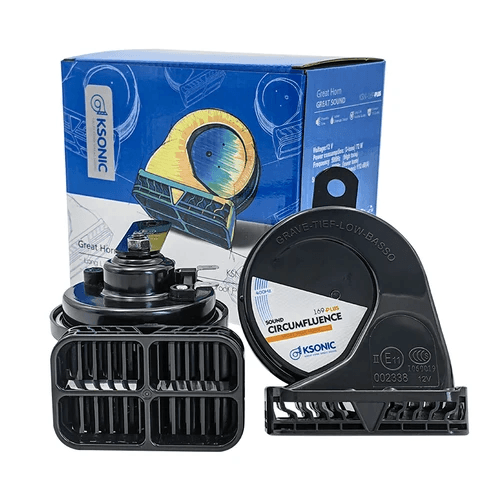
It refers to the resistance a speaker offers to the electrical current coming from your amplifier. Understanding how impedance works will help you answer questions like What hits harder, 2 ohm or 4 ohm car audio? and ultimately guide you in choosing the right components for your setup.
What hits harder, 2 ohm or 4 ohm car audio?
In the battle of impedance, many enthusiasts often wonder if a 2-ohm or a 4-ohm speaker will deliver a more powerful punch. Generally speaking, lower impedance speakers (like 2 ohms) draw more power from the amplifier, which can lead to louder volumes and potentially better bass response. However, this increased power demand also means that you need an amplifier capable of handling lower impedances efficiently; otherwise, you might find yourself asking how much voltage should a car speaker have?
If you're looking for raw power and are willing to invest in a robust system, then 2-ohm speakers might be your best bet. On the flip side, if you're after reliability and quality sound without pushing your equipment to its limits, then opting for 4-ohm speakers could be wiser.
How impedance affects audio quality
Impedance plays a significant role in determining not just how loud your system can get but also how clean that sound will be at high volumes. When speakers with mismatched impedance levels are paired with amplifiers not designed for them, you'll likely experience distortion and reduced audio quality. This is especially important when considering which speakers are best for car audio; making sure they align with your amp's specifications ensures optimal performance.
Moreover, impedance influences frequency response as well—lower impedance can sometimes lead to better low-end performance while higher impedances may excel in clarity across midrange frequencies. So if you're keen on achieving that crisp sound without sacrificing volume levels, understanding these nuances is key.
Choosing the right impedance for your system
When it comes down to selecting the right impedance for your setup, there are several factors you'll want to consider carefully before diving into purchasing new gear. First off, check the specifications of both your amplifier and potential speakers; they should ideally match in terms of their rated impedances for optimal performance—this brings us back to How many watts are good for a car speaker? The answer often depends on whether you're working with lower or higher impedances.
If you're leaning towards high-power setups with lots of bass thump (think: those heart-pounding beats), then low-impedance options like 2 ohms may serve you well—provided you've got an amp that can handle it! Conversely, if you're more about balanced sound across various frequencies without risking overloading any components in your system—as well as ensuring longevity—then sticking with standard 4-ohm speakers could be advantageous.
Power Ratings and Performance
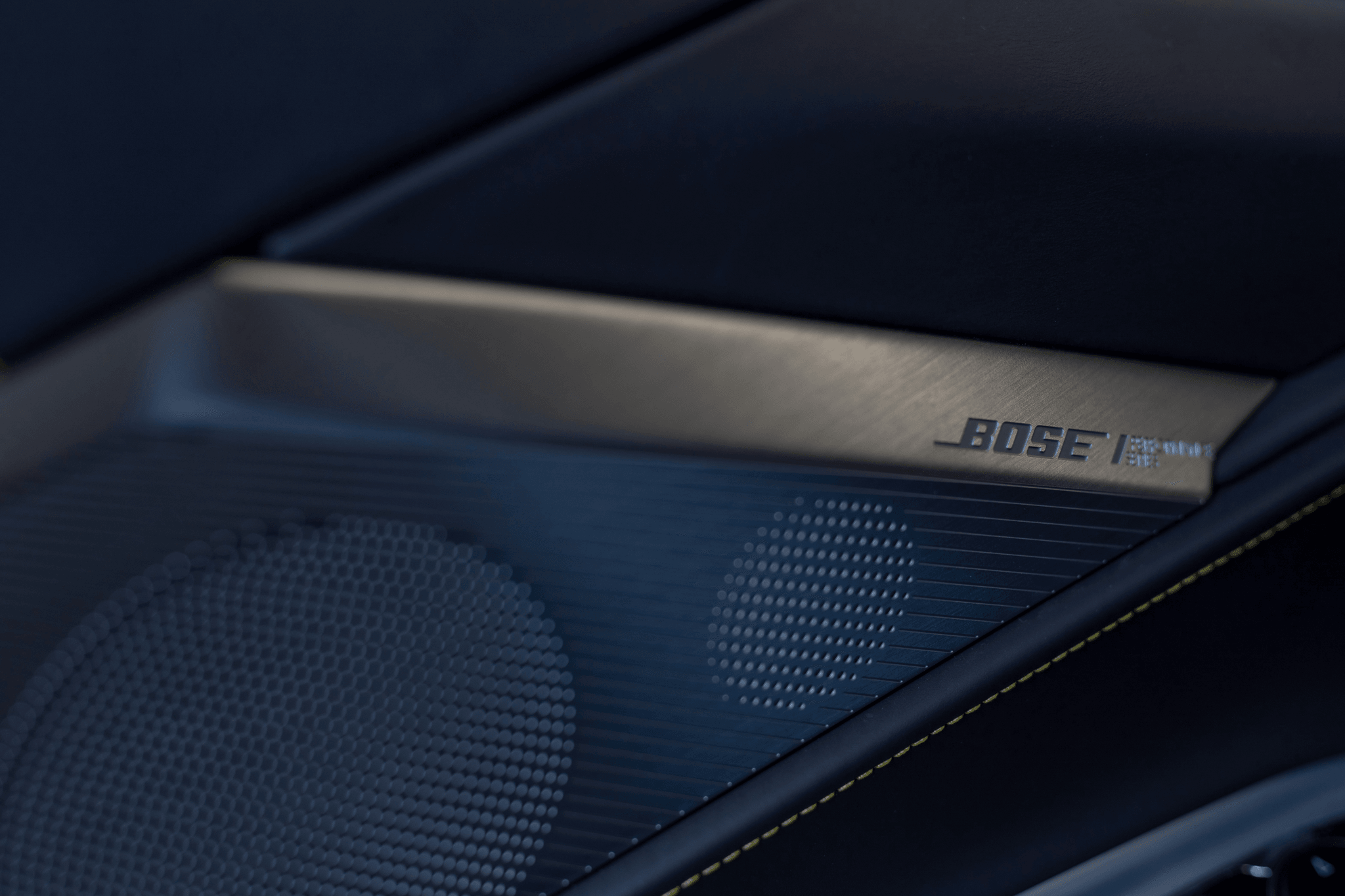
How many watts are good for a car speaker?
The wattage of a speaker can vary widely depending on its intended use, but generally speaking, most car speakers range from 50 to 300 watts RMS (Root Mean Square). If you're looking for that thumping bass or crystal-clear highs, aim for speakers with at least 100 watts RMS to ensure they can handle the power without distortion. Remember, while higher wattage typically means better performance, it’s essential to pair your speaker with an appropriate amplifier to maximize its potential.
Understanding RMS vs. peak power
RMS and peak power ratings often confuse car audio enthusiasts; however, both play distinct roles in determining performance. RMS refers to the continuous power that a speaker can handle over time without damage, whereas peak power indicates the maximum amount of energy the speaker can withstand in short bursts—think of it as a sprint versus a marathon! For optimal sound quality and longevity from your new speakers 12v system, prioritize RMS ratings over peak values when making your choice.
Finding speakers that match your power needs
Choosing the right speakers involves more than just looking at wattage; you need to consider how they will integrate with your entire audio setup. Look for speakers that match not only the wattage output of your amplifier but also complement other components like subwoofers and head units. By ensuring all elements work harmoniously together—especially concerning voltage levels—you'll create an immersive sound experience that truly elevates your driving adventures.
Quality Brands to Consider

When it comes to upgrading your car's audio system, selecting the right brand can make all the difference in sound quality and overall performance. With numerous options available, it's essential to understand which brands excel in producing high-quality speaker 12v systems that can handle varying power demands and provide an exceptional listening experience. This section will delve into some standout brands, including Xiamen Osun Electronic Technology Co., Ltd., as well as other notable competitors in the market.
Xiamen Osun Electronic Technology Co., Ltd.
Xiamen Osun Electronic Technology Co., Ltd. is a prominent player in the car audio industry, known for its innovative designs and high-performance speaker 12v options. Their products often feature robust construction and cutting-edge technology, making them a popular choice among audiophiles looking for durability and sound fidelity. When considering how much voltage should a car speaker have, Osun’s offerings typically align with standard 12V systems while ensuring optimal performance across various audio setups.
Their range includes speakers that cater to different preferences and budgets, ensuring there's something for everyone. Whether you’re after powerful bass or crystal-clear highs, this brand has models that deliver on both fronts. Plus, their commitment to quality means you can trust that you’re investing in speakers designed to last through countless road trips and playlists.
Other Notable Brands in the Market
Beyond Xiamen Osun Electronic Technology Co., Ltd., several other brands stand out when searching for which speakers are best for car audio upgrades. Brands like Pioneer, JBL, Kicker, and Alpine have established themselves as reliable names within the industry due to their consistent performance and customer satisfaction ratings. Each of these manufacturers offers a variety of models designed for different sound preferences—whether you're craving thumping bass or balanced acoustics.
Additionally, these brands often provide detailed specifications regarding their products' impedance ratings—helping answer questions like what hits harder: 2 ohm or 4 ohm car audio? This knowledge allows consumers to make informed decisions based on their specific needs and existing audio systems. As you explore your options among these notable brands, consider how each one aligns with your desired sound experience.
Comparing Features and Pricing
When comparing features and pricing among various speaker 12v options from different manufacturers, it's crucial to evaluate what each model brings to the table regarding wattage capacity—after all, how many watts are good for a car speaker? Generally speaking, higher wattage translates into better volume output without distortion; however, it’s important not just to chase numbers but also consider build quality and sound clarity.
Take time to analyze specifications such as RMS power versus peak power ratings since these figures reflect real-world performance more accurately than max wattage alone. Additionally, keep an eye on warranty periods offered by each brand; this can be an indicator of reliability and manufacturer confidence in their products' longevity. By carefully comparing features alongside pricing across top brands like Xiamen Osun Electronic Technology Co., Ltd., Pioneer, JBL, Kicker, and Alpine—you'll find the perfect match tailored specifically for your vehicle’s acoustic needs.
Conclusion
Upgrading your car’s audio system can transform your driving experience from mundane to exhilarating. With the right speaker 12V setup, you’ll enjoy crystal-clear sound and booming bass that makes every journey enjoyable. Whether you’re a casual listener or a dedicated audiophile, enhancing your car’s audio experience is a decision you won’t regret.
Enhancing Your Car’s Audio Experience
To truly enhance your car's audio experience, investing in quality speakers is essential. The question of How much voltage should a car speaker have? often arises, but with a solid 12V system, you're already on the right track for optimal performance. High-power speakers not only deliver superior sound quality but also ensure that every note and beat resonates perfectly within your vehicle.
Incorporating high-power speakers into your setup can significantly elevate the overall sound profile of your car's audio system. You’ll notice an improvement in clarity and depth, making even the simplest songs feel like live performances. Plus, with the right configuration, you can drown out road noise and create an immersive listening environment that keeps you engaged during long drives.
Choosing Your Ideal High-Power Speaker
Start by asking yourself: Which speakers are best for car audio? Look for models that not only fit within your budget but also meet the power requirements of your specific setup—ideally those rated for 12V operation.
Another important consideration is impedance; many wonder What hits harder, 2 ohm or 4 ohm car audio? Generally speaking, lower impedance (like 2 ohms) allows more current flow and can produce louder volumes compared to higher impedance options (4 ohms). However, this choice ultimately depends on how much power your amplifier can handle without distortion or damage.
Final Thoughts on Upgrading to 12V Systems
In conclusion, upgrading to a robust 12V system is one of the smartest moves you can make for improved sound quality in your vehicle. As we’ve discussed throughout this guide, knowing how many watts are good for a car speaker plays a crucial role in selecting components that work harmoniously together. The combination of high-power speakers and proper voltage will ensure that every drive turns into an auditory adventure.
Ultimately, it’s all about creating an enjoyable atmosphere while you're on the road—whether you're commuting or embarking on a road trip with friends. So take charge of your listening experience today by choosing high-quality components designed specifically for optimal performance at 12V!