
Introduction
Car horns are often overlooked components of vehicles, yet they play a crucial role in ensuring safety on the road. Understanding how a car horn works, including the mechanics behind sound production and its various types, can enhance our appreciation of this essential device. Whether you're pondering the intricacies of a car horn adapter or considering modifications, this guide will delve into everything you need to know about car horns.
Understanding the Importance of Car Horns
Car horns serve as vital communication tools between drivers and pedestrians, alerting others to potential hazards or your presence on the road. They are not just loud noises; they are designed to convey urgency and caution in various driving situations. By understanding their importance, one can appreciate why knowing how many volts does a car horn need is essential for optimal functionality.
The Physics Behind Car Horns
At their core, car horns function through vibrations that create sound waves, making physics an integral part of their operation. When you press the horn button, electrical energy transforms into mechanical energy via an electromagnet that vibrates to produce sound. If you're wondering how does a 12V horn work or if you can wire a horn without a relay, it’s crucial to grasp these basic principles first.
Different Types of Car Horns
Car horns come in various types and styles—from classic electric horns to more robust air horns—each serving different purposes and preferences for drivers. Aftermarket options allow enthusiasts to modify their vehicle's auditory signature easily; however, one must consider compatibility with their existing system and whether they can modify my car horn effectively. Ultimately, understanding these differences helps in selecting the right car horn adapter for your needs.
What Is a Car Horn?
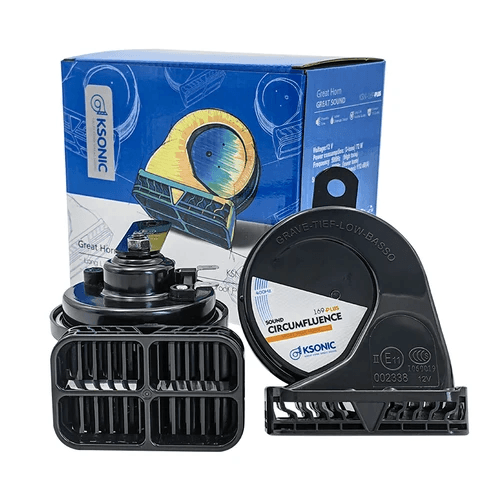
A car horn is more than just a noise-maker; it’s an essential component of your vehicle’s safety system. This device alerts other drivers and pedestrians of your presence, helping to prevent accidents. Understanding its components and functionality can help you appreciate this often-overlooked feature.
Basic Components of a Car Horn
At its core, a car horn consists of several key components: the diaphragm, the electromagnet, and the housing. The diaphragm vibrates to produce sound when electrical current flows through the electromagnet, creating magnetic fields that push and pull it rapidly. If you're wondering how does a 12V horn work? It operates on 12 volts supplied by your vehicle's electrical system, ensuring that it can generate enough sound to be heard over traffic noise.
The construction materials also play a role in durability and sound quality; typically, metals are used for the diaphragm to withstand vibrations over time. So if you're thinking about upgrading or modifying your car horn, knowing these components can guide you in selecting the right aftermarket options. Remember, not all horns are created equal—some might require specific wiring or even a specialized car horn adapter for optimal performance.
The Role of the Car Horn Adapter
The car horn adapter serves as an intermediary between your vehicle's electrical system and the horn itself. This small but crucial component ensures that power is delivered efficiently while also allowing for easy installation of aftermarket horns. When considering Can I wire a horn without a relay? it's important to note that while it's possible, using an adapter with a relay can enhance reliability and reduce strain on your vehicle's electrical system.
Using an appropriate car horn adapter also allows you to choose from various types of horns—whether you're going for something traditional or more robust like air horns. Plus, if you're planning on modifying your setup later on, having an adaptable connection makes future changes much easier without extensive rewiring involved!
How Car Horns Relate to Vehicle Safety
Car horns play an indispensable role in promoting road safety by providing auditory warnings in potentially dangerous situations. They alert other drivers about lane changes or sudden stops, helping prevent collisions caused by miscommunication on the road. Misusing this tool—like honking excessively—can lead to confusion and may even escalate into road rage incidents; hence understanding when to use your horn appropriately is crucial.
It's essential not only for individual safety but also contributes positively to overall traffic flow; after all, clear communication is key! So before you ask yourself Can I modify my car horn? remember that any upgrades should still align with legal regulations regarding noise levels and usage guidelines in your area. Ultimately, investing time in understanding how many volts does a car horn need will ensure you have both effective communication with others while keeping safety at the forefront of driving practices.
The Mechanics of Sound Production

Understanding how sound is produced in car horns involves delving into the fascinating world of vibrations and sound waves. When you press the horn button, electrical energy travels through the car horn adapter to the horn itself, setting off a series of vibrations. These vibrations create sound waves that travel through the air, allowing your horn to communicate with other drivers or pedestrians.
Vibrations and Sound Waves
Vibrations are at the core of how any sound is generated, including that distinctive honk from your car horn. When a car horn is activated, it causes a diaphragm inside to vibrate rapidly, producing sound waves that vary in frequency and intensity. The quality and clarity of these vibrations play a crucial role in how effectively your car horn can convey urgency or warning.
The Role of the Electromagnet
The electromagnet plays a pivotal role in many electric horns' operation by converting electrical energy into mechanical motion. When current flows through the coil within the electromagnet, it generates a magnetic field that pulls on a metal diaphragm, causing it to vibrate and produce sound waves. If you're wondering, Can I wire a horn without a relay?—the answer largely depends on your specific setup; some systems may function without one but could be less efficient.
How Sound Frequency Affects Loudness
Sound frequency is another critical factor influencing how loud or soft your car horn sounds. Lower frequencies typically produce deeper tones while higher frequencies generate sharper sounds; both have their places in automotive signaling. If you've ever asked yourself, How does a 12V horn work? it's all about using that voltage to create sufficient power for generating desirable frequencies—most standard horns operate effectively at around 12 volts.
Types of Car Horns

When it comes to car horns, there are two primary types that dominate the market: air horns and electric horns. Each type has its own unique mechanics and sound characteristics, making them suitable for different applications. Understanding these differences can help you decide which horn is best for your vehicle.
Air Horns vs. Electric Horns
Air horns operate by using compressed air to produce a loud sound, typically generated by a diaphragm that vibrates when air passes through it. This mechanism allows for a powerful blast that can be heard from great distances—perfect for those who want to make a statement on the road! On the other hand, electric horns rely on electrical energy to create sound waves through an electromagnet and diaphragm system, offering a more consistent tone but generally less volume compared to their air-powered counterparts.
If you're wondering, Can I wire a horn without a relay?—the answer is yes, but it's not recommended unless you're dealing with low-voltage systems. Most modern car horns require at least 12 volts to function properly; thus, understanding how does a 12V horn work is essential when considering installation options. Ultimately, whether you choose an air or electric horn will depend on your personal preference and specific needs.
Aftermarket Options and Upgrades
The world of aftermarket car horn options is vast and exciting! Upgrading your factory-installed horn can significantly enhance your vehicle's auditory presence, making it both safer and more enjoyable to drive. Many enthusiasts ask themselves: Can I modify my car horn? Absolutely! There are various ways to customize your setup—from changing the tone to increasing volume—ensuring you get exactly what you want.
When selecting an aftermarket option, it's crucial to consider compatibility with your existing car horn adapter; this ensures proper installation without any hiccups along the way. Additionally, many brands offer plug-and-play solutions that simplify the process further—no complex wiring needed! Just remember that while upgrading can improve functionality, some modifications may also require adherence to local noise regulations.
Popular Brands like Hella and Osun
In the realm of car horns, brands like Hella and Osun have made quite an impact with their innovative designs and reliable performance. Hella is known for producing high-quality electric horns that deliver crisp sounds at various frequencies—a perfect choice if you're looking for something dependable yet powerful! Meanwhile, Osun offers budget-friendly options without sacrificing quality or volume; they provide excellent choices for those wanting solid performance without breaking the bank.
Regardless of which brand you choose, ensure that any new purchase aligns with your vehicle’s electrical system requirements—especially regarding voltage levels since most car horns need around 12 volts to operate efficiently. If you're ever in doubt about installation or compatibility issues related to your car horn adapter or wiring setup, consult user manuals or seek professional advice before diving into DIY modifications!
Installation and Maintenance Tips
Installing and maintaining your car horn is crucial for ensuring it operates effectively when you need it most. A well-functioning car horn not only enhances your vehicle's safety but also adds a personal touch to your ride. Here’s what you need to know about choosing the right car horn adapter, avoiding common pitfalls during installation, and keeping your horn in top shape.
Choosing the Right Car Horn Adapter
When selecting a car horn adapter, compatibility is key. You want an adapter that matches both the voltage of your horn and your vehicle's electrical system—most car horns operate at 12 volts, so ensure that's what you're working with! If you’re asking yourself, “Can I wire a horn without a relay?” remember that while it’s possible for some setups, using a relay can provide better performance and prevent potential damage to your vehicle’s wiring.
Additionally, consider whether you’re upgrading or replacing an existing setup; aftermarket adapters may offer enhanced features like improved sound quality or volume control. If you're modifying your car horn for louder output or unique sounds, make sure the adapter can handle the increased load without overheating or failing. In summary, choosing the right car horn adapter involves checking compatibility with voltage requirements and ensuring it meets any specific needs for upgrades.
Common Installation Mistakes
One of the most common mistakes when installing a new car horn is neglecting to check polarity on wires—reversing positive and negative connections can lead to failure in sound production. Another pitfall is overlooking proper mounting; if the horn isn’t securely fastened, vibrations could cause it to malfunction over time or even fall off entirely! Always refer to manufacturer instructions; many people wonder “How does a 12V horn work?” but skip over critical installation details that ensure optimal function.
Moreover, failing to use appropriate fuses can result in blown circuits or damaged components—make sure you've got everything rated correctly for safe operation! If you're asking yourself “Can I modify my car horn?” keep in mind that modifications should be done thoughtfully; improper changes might lead to unexpected issues down the road. Avoid these mistakes by planning ahead and following guidelines closely.
How to Maintain Your Car Horn
Maintaining your car horn doesn’t have to be complicated but requires regular attention. Start by inspecting connections periodically; loose wires can affect performance over time—tighten any connections as necessary! Don't forget about cleaning; dirt and debris can muffle sound production so give it a gentle wipe down every now and then.
If you notice decreased volume or buzzing sounds instead of clear honks, this could indicate it's time for some troubleshooting—is it an issue with power supply? Check if you need more than just basic maintenance like replacing parts or possibly upgrading components altogether! Regularly ask yourself how many volts does a car horn need? Most standard horns require around 12 volts—a good reminder when assessing functionality.
Lastly, consider seasonal checks as part of your routine maintenance schedule—extreme weather conditions can impact performance too! Keeping these tips in mind will help ensure that every honk counts when safety calls!
Legal Regulations and Safety Guidelines
Navigating the world of car horns isn't just about sound; it also involves understanding the laws that govern their use. Each region has specific noise regulations for car horns, which aim to reduce sound pollution and ensure safety on the roads. Being aware of these regulations can save drivers from hefty fines and promote a more harmonious driving environment.
Noise Regulations for Car Horns
Most jurisdictions impose limits on how loud a car horn can be, often capping it at around 110 decibels. This means that while you want your horn to be effective, you also need to consider how many volts your car horn needs to stay within legal limits without becoming a nuisance. If you're considering modifications, remember that exceeding these noise regulations can lead to penalties, so always check local laws before deciding on an aftermarket upgrade or even asking yourself, Can I modify my car horn?
When to Use Your Horn Appropriately
Using your car horn should be reserved for situations where safety is at stake—think alerting another driver of potential danger or signaling pedestrians. It's essential to avoid using your horn in situations like traffic jams or simply out of frustration; this not only annoys others but may also violate local noise ordinances. Remember, using a well-placed car horn adapter can amplify your signal when needed but should always be used judiciously.
The Impact of Misuse on Drivers
Misusing a car horn can lead to road rage incidents and escalate conflicts between drivers, creating an unsafe environment for everyone involved. Overusing or improperly using your horn diminishes its effectiveness when you genuinely need it, making others less likely to respond appropriately in critical moments. So next time you're tempted to lay on the horn in anger, consider if it's worth risking both your safety and that of others—after all, the question remains: Can I wire a horn without a relay? Sometimes less is more.
Conclusion
In wrapping up our exploration of car horns, it's clear they serve a vital role in vehicle safety and communication on the road. From understanding how a basic car horn works to recognizing the importance of the car horn adapter, we’ve covered the essential elements that make these devices effective. Whether you’re considering an upgrade or simply looking to maintain your existing horn, knowledge is key to ensuring optimal performance.
Recap of Car Horn Functionality
Car horns are not just loud noises; they are intricate devices designed to alert others and enhance safety while driving. The basic components work together, often powered by a 12V system, creating sound waves through vibrations—an essential feature for any vehicle. Understanding how does a 12V horn work helps drivers appreciate its functionality and importance in various driving scenarios.
Benefits of Upgrading Your Car Horn
Upgrading your car horn can significantly improve your vehicle's auditory presence on the road. Many aftermarket options offer enhanced sound quality and volume, making it easier to communicate with other drivers effectively. Additionally, if you're pondering questions like Can I wire a horn without a relay? or Can I modify my car horn?, rest assured that many upgrades come with straightforward installation processes that can elevate your driving experience.
Final Thoughts on Safer Driving
Ultimately, a well-functioning car horn contributes to safer driving by allowing you to alert others when necessary. With noise regulations in mind, knowing when and how to use your horn can prevent misunderstandings on the road and promote better driver behavior overall. So whether you're contemplating an upgrade or simply seeking tips for maintenance—like choosing the right car horn adapter—remember that every little bit helps in fostering a safer driving environment.