
A loud 12V horn can help an aftermarket product line feel stronger, but buyers should be careful with the word "loud." A horn that sounds impressive on a desk may draw too much current, fit poorly behind the grille, produce an unpleasant tone, or fail to meet the documentation needs of the target market. Good horn sourcing starts with controlled sample testing, not only a high dB number in a catalog.
OSUN's car horn range includes disc, snail, sports, and multi-fit horn options. For loud 12V horn projects, the buyer's task is to decide which sound character and installation style match the channel: standard replacement, upgrade kit, repair-shop line, or retail performance product.
Loudness Is Only One Part of the Sound
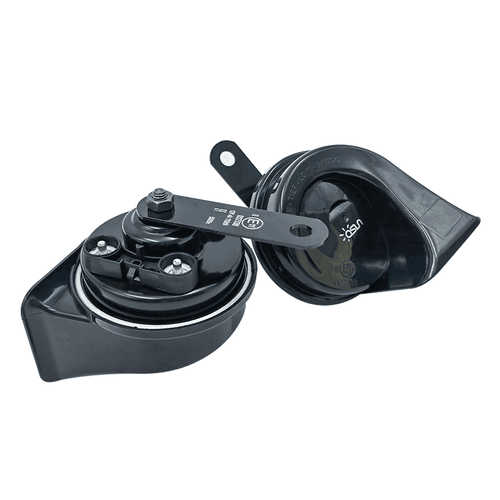
HELLA describes automotive horn portfolios by disc horns, trumpet horns, compressed air fanfares, and sound characteristics, with sound pressure and frequency range both shaping the final result. PIAA's performance horn page also shows common aftermarket frequency pairs such as 400/500Hz and 500/600Hz. This is why a loud 12V horn should be judged by sound pressure, tone frequency, and sound quality together.
OSUN product images for several snail and sports horn models show 12V 4A 110dB markings with high and low tone examples such as 500Hz and 400Hz. Some sports horn page wording also mentions higher sound claims. When numbers differ between page text and physical markings, buyers should verify the exact SKU, sample marking, test distance, voltage, and method before using the value in packaging or compliance documents.
OSUN Model Fit for Loud 12V Horn Projects
| Buyer Goal | OSUN Product Direction | What to Verify |
|---|---|---|
| Compact replacement horn | ODL-151 disc horn | 12V 3A marking, 110dB marking, 420Hz/350Hz pair, diameter, depth, E-mark evidence |
| Fuller dual-tone 12V sound | ODL-161 or ODL-162 snail horn | 12V 4A marking, 500Hz/400Hz pair, horn mouth direction, drainage or waterproof/exhaust design |
| Upgrade or sports catalog | ODL-163, ODL-168, or KSN169P sports horn | Actual dB test, current draw, bracket space, waterproof cover, tone preference, packaging claim wording |
| Broad vehicle coverage | Multi-fit car horn | Connector list, terminal quality, fitment coverage by vehicle parc, installation instructions |
What a Sample Test Should Include
A controlled sample test keeps the buyer from approving a horn only because it sounds strong in a short video. The test should include both acoustic and installation checks:
- Voltage condition: Test at the intended 12V condition and record whether a relay is required.
- Current draw: Compare the sample marking with actual draw during operation.
- Sound reading: Record the dB value, distance, direction, and environment instead of relying on an unspecified number.
- Frequency pair: Listen to high and low tone together; a balanced pair often sounds stronger than a single sharp tone.
- Fitment: Measure depth, bracket height, mounting hole, terminal angle, and horn opening direction.
- Weather exposure: Review drainage, waterproof cover, membrane/exhaust design, and anti-corrosion treatment if the horn sits in an exposed area.
Why OSUN's Product Details Matter
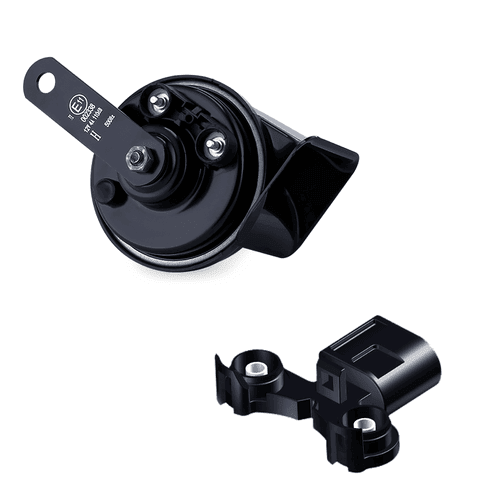
The OSUN ODL-161 snail horn is useful for loud 12V horn articles because it connects sound with installation. The page highlights mini shape, 65 mm thickness, water-drainage design, forward sound direction, and tough-weather positioning. For a distributor, those are buyer-friendly details: the horn must sound good, but it also needs to fit and survive real use.
For a more premium or upgrade-oriented product, OSUN's ODL-163 sports horn adds a waterproof cover design and a stronger visual identity. That makes it better for retail upgrade packaging than for a plain replacement line, provided the buyer confirms the actual sound test result and certificate needs.
Conclusion
A loud 12V horn should be selected through sample testing, not guesswork. Buyers should compare sound pressure, frequency, current draw, installation dimensions, waterproof details, certification evidence, and packaging claims. OSUN gives buyers several product directions, from compact disc horns to snail and sports horn options, but the final approval should always be based on the exact SKU and test record.