
What Makes a Snail Horn Different?
A snail horn is designed with a curved, chamber-like body that helps shape the tone. It is often chosen for a fuller, more recognizable automotive sound. Many 12V snail horns are sold in high/low tone pairs, which gives the final sound more presence than a single flat tone.
For B2B buyers, snail horns are useful when the sales story includes strong tone, compact design, climate resistance, or upgrade value. OSUN's snail horn pages highlight details such as 12V operation, high and low frequencies, sound level, operating temperature, and long-life positioning on specific models. Those specifications help buyers compare real product data instead of relying only on "loud" marketing language.
Where Trumpet Horns Fit
Trumpet horns use an extended mouth to project sound forward. DENSO's JHORN POWER'D page, for example, describes a large trumpet-style opening as part of a high-volume horn design. That style can be appealing when buyers want a more directional sound or a visible upgrade component.
The tradeoff is space. A trumpet horn may need more installation room than a compact snail horn. It can also require careful orientation so the opening is not exposed to direct water entry or road debris. For buyers serving repair shops, fitment and installation clarity are just as important as sound.
Buyer Comparison Checklist
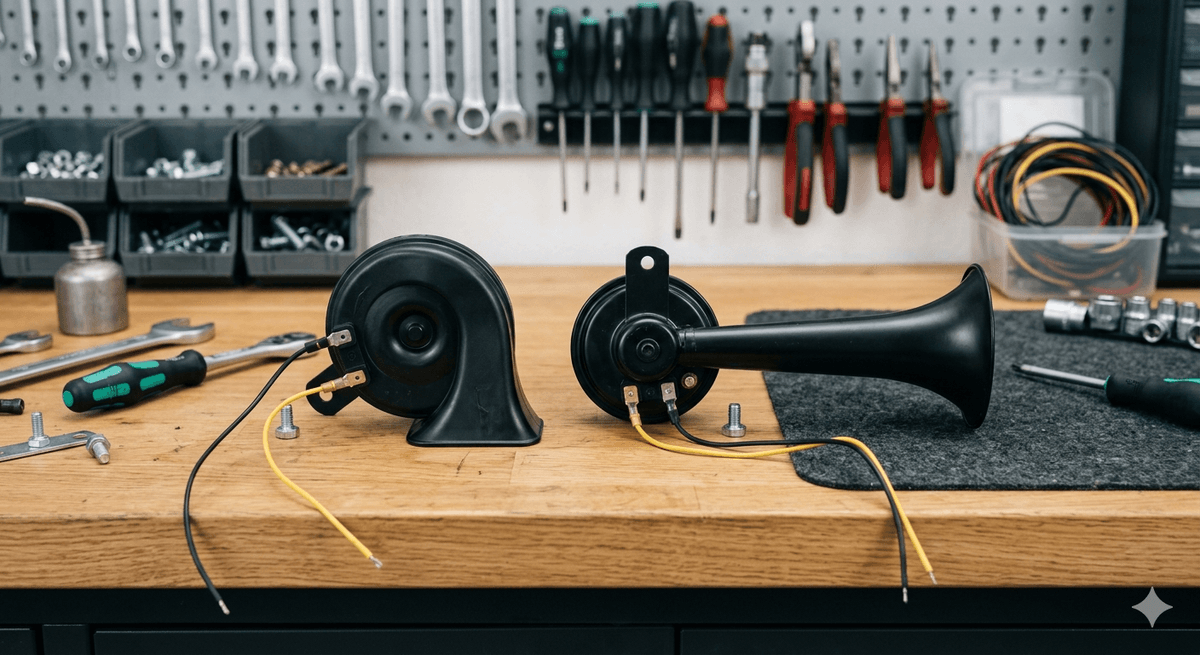
- Sound character: Snail horns often support a fuller paired tone; trumpet horns can emphasize forward projection.
- Installation space: Snail horns can be compact, while trumpet horns may need more room near the grille.
- Weather exposure: Check shell design, drainage, and mounting direction for both types.
- Catalog role: Snail horns work well for mainstream upgrades; trumpet horns can support a more performance-oriented image.
- Documentation: Compare voltage, current, dB, frequency, temperature range, and approvals by exact model.
How OSUN Can Position the Choice
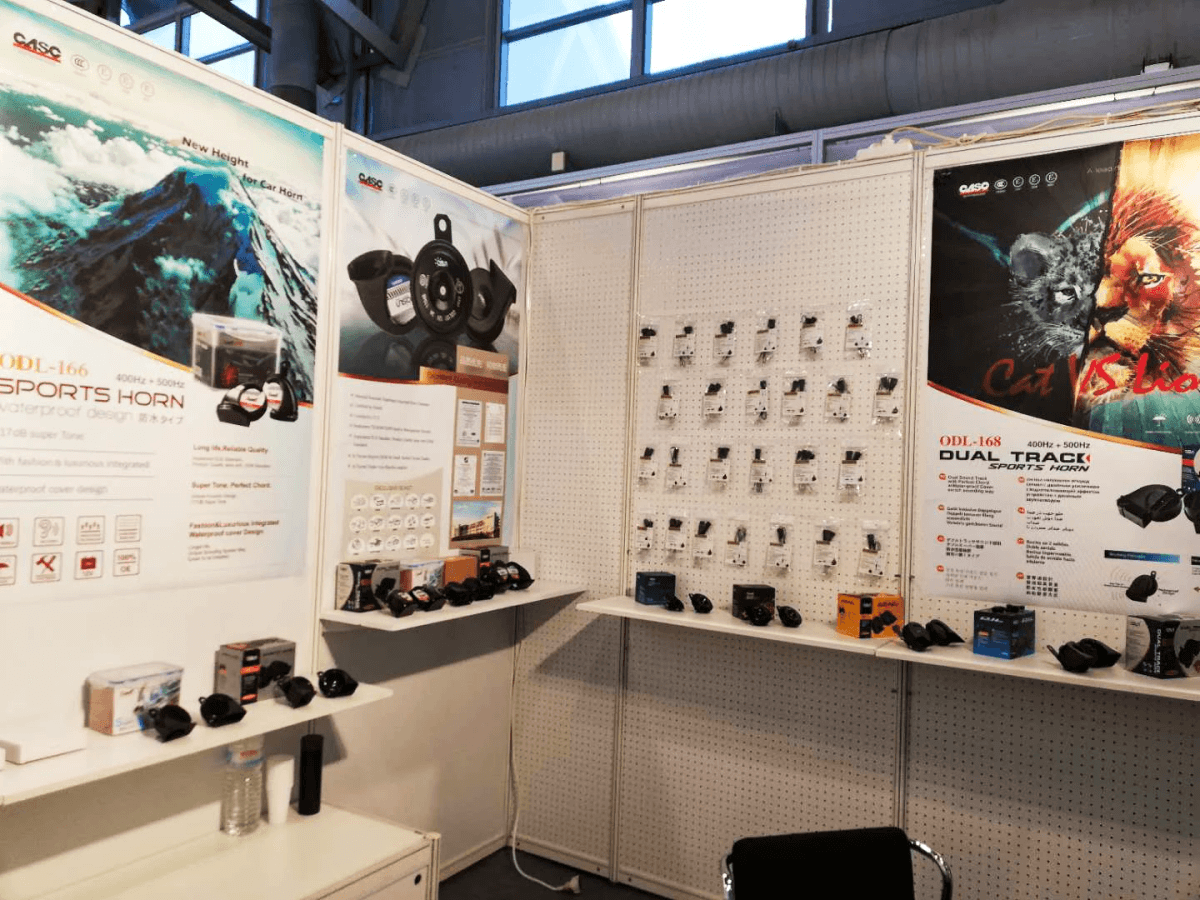
OSUN's company overview positions the company around R&D, production, and sales of automotive horns, wipers, and lighting, serving aftermarket and OEM-related markets. That background matters when buyers need repeatable production, not just one attractive sample.
For most distributors, snail horn vs trumpet horn should not become a one-winner argument. A snail horn may suit broad aftermarket replacement and upgrade demand. A trumpet-style horn may suit customers who want a more projected sound and have room for installation. The smarter sourcing strategy is to match horn type to vehicle segment, buyer expectation, and sales channel.
For first orders, buyers should request samples of both styles and test them on the vehicle types most common in their market. Listen from outside the vehicle, check how the horn fits behind the grille, and review how installers route wiring and brackets. A horn that sounds impressive on a bench may not be the best catalog item if it is difficult to mount or explain to repair shops.
Conclusion
Snail horns are compact, familiar, and strong for paired-tone automotive horn programs. Trumpet horns can provide a directional, performance-oriented sound character but need more fitment attention. Buyers should compare sound, space, durability, weather exposure, and documentation before building a horn catalog.