
Introduction
A train horn car horn not only grabs attention but also ensures that you’re heard in noisy environments, making it an essential accessory for any vehicle owner. Whether you're navigating through busy city streets or rural backroads, having a powerful air horn can make all the difference in alerting others to your presence.
Why You Need a Loud Truck Air Horn
Imagine cruising down the highway when suddenly, a driver cuts you off without warning. With a standard car horn, your chances of getting noticed are slim; however, with an automotive train horn, you can effectively command attention and enhance your safety on the road. The sheer volume of these air horns makes them indispensable for truck owners and anyone who frequently drives in high-traffic areas where visibility is limited.
The Advantages of Train Horns for Vehicles
Train horns are not just about volume; they also offer several advantages over traditional car horns. Their unique sound design produces a rich tone that carries over long distances, ensuring that pedestrians and other drivers hear you loud and clear. Additionally, many train horns for vehicles come equipped with durable materials that withstand harsh weather conditions, making them a reliable choice for year-round use.
How Train Horns Differ from Regular Car Horns
While regular car horns serve their purpose in everyday driving situations, they often lack the power and range needed to be truly effective in emergencies. Train horns produce an unmistakable air horn sound that can reach decibel levels far beyond those of standard car horns—making them essential for alerting others quickly and effectively. Furthermore, train horns typically have multiple tones or pitches that create a more complex sound signature compared to the monotone beep of regular car horns.
The Mechanics of a Train Horn
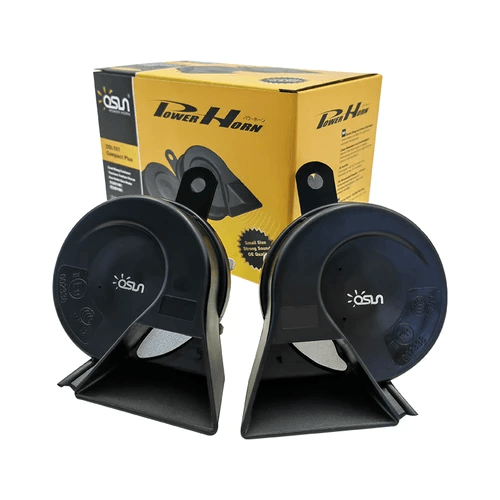
Unlike standard car horns, train horns produce powerful sound waves that can be heard from great distances, making them ideal for alerting other drivers or pedestrians. Let's dive into how these impressive automotive train horns create their unique sound and what components are involved.
Understanding Air Horn Sound Production
Air horn sound production is all about harnessing compressed air to create an intense auditory experience. When you press your train horn car horn, air is forced through a resonating chamber, which amplifies the sound waves generated by the vibrating diaphragm inside. This process results in a thunderous blast that far exceeds the typical beep of regular car horns, making it an effective tool for getting attention on the road.
The frequency and pitch of an air horn's sound can vary based on its design and size, allowing for different tones to suit various preferences. For instance, some drivers may prefer a deeper tone reminiscent of traditional train horns, while others might opt for higher-pitched sounds that cut through traffic noise more effectively. Regardless of your choice, understanding how air horn sound production works will help you appreciate why these train horns for vehicles are so popular among enthusiasts.
Components of an Automotive Train Horn
An automotive train horn is made up of several key components that contribute to its loudness and effectiveness as a truck horn. The primary parts include the compressor, which pumps compressed air into the system; the diaphragm or bellows that vibrate to create sound; and often multiple trumpets or tubes designed to produce different pitches when combined. Each component plays a crucial role in ensuring that your air horn delivers maximum volume while maintaining clarity.
In most cases, high-quality materials are used in constructing these components to withstand harsh weather conditions and vibrations from driving. This durability ensures longevity and consistent performance over time—something every driver wants from their car horns! So whether you're upgrading your vehicle with a new train horn for car or just curious about how they work, knowing these components will enhance your understanding.
The Science Behind Loudness
Loudness isn't just about volume; it's also deeply rooted in physics and acoustics. The science behind loudness involves understanding decibel levels (dB), which measure sound intensity relative to human hearing thresholds. Train horns typically operate at much higher decibel levels than standard car horns—often reaching 120 dB or more—which explains why they can be heard over long distances even amidst heavy traffic noise.
Moreover, factors like frequency range play a significant role in perceived loudness; lower frequencies tend to travel further than higher ones due to their longer wavelengths. This is why many truck owners choose deep-toned train horns—they not only make an impressive statement but also ensure their signal carries effectively across greater distances compared to traditional car horns! By grasping these scientific principles behind loudness, you'll appreciate even more why investing in quality train horns for vehicles is worth every penny.
Choosing the Right Train Horn for Your Car

Not all train horns are created equal; some are designed with specific vehicles in mind, while others cater to a broader audience. By understanding the top models available and what features matter most, you'll be well on your way to enhancing your vehicle’s auditory presence.
Top Train Horn Models for Cars
There are several standout train horns on the market that have gained popularity among automotive enthusiasts. One of the top contenders is the Kleinn Air Horns 100 Series, known for its powerful air horn sound and durable construction—perfect for trucks and cars alike. Another favorite is the Vixen Horns VXH2400, which offers an impressive decibel level and sleek design, making it a popular choice among those looking to upgrade their car horns.
If you're on a budget but still want that booming sound, check out the Wolo 847 Big Bad Max Air Horn. This model delivers an exceptional sound without breaking the bank and is compatible with most vehicles. Each of these train horns for vehicles brings something unique to the table, so consider what features matter most before making a decision.
Factors to Consider Before Buying
Before you rush out to buy an automotive train horn, take some time to evaluate what you truly need from this upgrade. First off, think about compatibility; not all air horns fit every vehicle type or model seamlessly, so confirm that your chosen train horn car horn will work with your setup. Additionally, consider how loud you want it—decibel levels can vary significantly between models and may affect how effective it is in alerting other drivers.
Another crucial factor is installation; some air horns come with comprehensive kits that include everything needed for DIY installation while others might require professional help due to their complexity. You should also think about whether you prefer an electric or pneumatic system; pneumatic systems typically offer more power but may require additional components like an air compressor. Lastly, don't forget about aesthetics—some people prefer their car horns hidden away while others want them prominently displayed as part of their vehicle's look.
Comparing Train Horn Car Horns vs. Regular Car Horns
When comparing train horns with regular car horns, one thing becomes crystal clear: loudness matters! Train horn car horns produce significantly higher decibel levels than standard options, ensuring that you're heard even in noisy environments like city traffic or at construction sites. The air horn sound produced by a quality train horn can cut through ambient noise much more effectively than typical car horns.
Moreover, regular car horns usually serve as simple alerts rather than powerful warnings; they’re designed primarily for short blasts rather than sustained sounds meant to grab attention quickly—something you'd expect from a truck horn or automotive train horn instead! In addition to volume differences, many modern train horns come packed with advanced features such as multi-tone capabilities or weather-resistant materials that aren't typically found in standard options.
Installation Tips for Train Horns
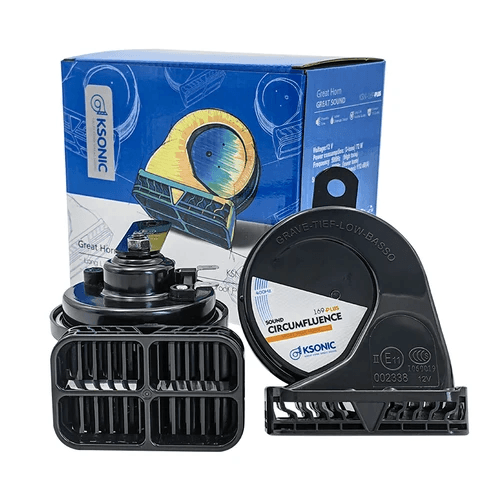
Installing a train horn car horn can be an exhilarating project that transforms your vehicle's sound profile. Whether you opt for a DIY approach or seek professional assistance, understanding the installation process is key to achieving that booming air horn sound. This section will guide you through the essentials of installation, ensuring your automotive train horn performs at its best.
DIY Installation vs. Professional Help
DIY installation can save you money and give you a sense of accomplishment, but it requires some mechanical know-how and the right tools. On the other hand, if you're not confident in your skills or simply want peace of mind, enlisting a professional can ensure that your air horn is installed correctly and safely.
If you choose the DIY route, make sure to follow manufacturer guidelines closely and don’t skip any steps; otherwise, you might end up with a truck horn that sounds more like a gentle honk than an awe-inspiring blast! Remember that while saving money is great, safety should always come first when working on your vehicle.
Essential Tools and Equipment
To get started with your train horns for vehicles installation, you'll need to gather some essential tools and equipment. A basic toolkit including wrenches, screwdrivers, pliers, and possibly even a drill will be crucial in ensuring everything fits snugly into place. Additionally, don’t forget about the necessary components like air lines, fittings, and an air compressor if required by your specific model of automotive train horn.
Having all these items ready before beginning can save time and frustration during installation day; nothing’s worse than running back to the store mid-project! With everything on hand and organized neatly in your workspace, you'll find that installing your new car horns becomes much more manageable.
Common Installation Mistakes to Avoid
While installing an air horn may seem straightforward at first glance, there are several common mistakes that many enthusiasts make which can lead to subpar performance or even damage. One frequent error is neglecting to secure all connections properly; loose fittings can result in air leaks that diminish sound quality or cause operational issues down the line.
Another pitfall is failing to check compatibility between the train horn car horn model and your vehicle's electrical system—make sure they’re compatible before diving into installation! Lastly, always perform thorough checks after installation; test out those powerful blasts before hitting the road so you know everything’s functioning as intended.
Maintenance of Your Train Horn

Maintaining your train horn car horn is essential for ensuring that it performs at its best, providing that powerful air horn sound you crave. Regular maintenance not only prolongs the life of your automotive train horn but also ensures safety on the road by keeping your sound loud and clear. Let’s dive into some key maintenance practices to keep your train horns for vehicles in top shape.
Routine Checks for Optimal Performance
To keep your air horn functioning at peak performance, it's crucial to conduct routine checks. Start by inspecting the connections and hoses for any signs of wear or leaks; even a small leak can significantly diminish the air horn sound quality and volume. Additionally, test the functionality of your train horn for car periodically; a quick honk can reveal if something is amiss before you're in a situation where you need it most.
How to Clean Your Air Horn
Cleaning your air horn is another vital aspect of maintenance that many overlook. Dust and grime can accumulate over time, affecting not just appearance but also performance. To clean, simply remove the train horns from their mounting position and use compressed air or a soft cloth to wipe away any debris; this will help maintain optimal airflow and sound clarity.
Troubleshooting Air Horn Issues
If you're experiencing issues with your truck horn or automotive train horn, troubleshooting can often resolve these problems without needing professional help. Common issues include weak sound output or no sound at all; check for loose wires or blown fuses first, as these are often simple fixes. If everything looks good but problems persist, you may need to inspect the compressor or consider replacing parts—after all, you want that booming air horn sound back in action!
Features of Quality Train Horns

A quality train horn should not only produce an impressive air horn sound but also be built to last and incorporate innovative technologies. Understanding these features will help you select the best automotive train horn that meets your needs.
Importance of Sound Decibel Levels
Sound decibel levels are crucial when considering a train horn car horn because they directly impact how well you can alert other drivers. A louder air horn can cut through traffic noise and grab attention, making it an essential safety feature for any vehicle. Look for train horns that boast high decibel ratings, typically above 120 dB, ensuring your car horns stand out in any environment.
Choosing the right sound level is particularly important if you frequently navigate busy urban areas or highways where distractions abound. The powerful air horn sound produced by a high-decibel train horn can be the difference between being heard or ignored on the road. So, don’t settle for mediocre; opt for a loud and proud train horn that makes its presence known.
Benefits of Durable Materials
Durability is another key feature to consider when selecting train horns for vehicles; after all, you want them to withstand various weather conditions and road vibrations. High-quality materials such as stainless steel or reinforced plastic ensure that your automotive train horn remains functional long-term without succumbing to rust or wear and tear. Investing in durable components means less frequent replacements and more peace of mind while driving.
Moreover, durable materials contribute to better sound quality as they minimize distortion during operation, allowing the full potential of your air horn sound to shine through. The last thing you want is a flimsy car horn that fails at critical moments; durability ensures reliability when it matters most! So choose wisely—your vehicle deserves nothing less than robust construction.
Innovative Technologies in Train Horns
The world of automotive accessories has seen significant advancements in technology, and quality train horns are no exception! Many modern air horns come equipped with innovative features like electronic controls or integrated compressors that provide consistent performance without compromising on loudness. These technologies allow for quicker installation and improved functionality compared to traditional systems.
Additionally, some advanced models offer customizable sound profiles so you can choose between different tones or pitches—perfect if you're looking to make your truck horn truly unique! These innovations not only enhance usability but also elevate the overall aesthetic appeal of your vehicle’s setup. With cutting-edge designs becoming more accessible, there's never been a better time to upgrade your ride with a top-notch train horn car horn!
Conclusion
In summary, train horns have become a popular choice for many vehicle owners looking to enhance their car's auditory presence. Whether you're driving a truck or a compact car, there's a train horn for car that fits your needs and budget. With the right air horn, you can ensure that your vehicle stands out on the road while also improving safety.
The Best Train Horns for Every Vehicle
When selecting the best train horns for vehicles, it’s essential to consider factors like sound decibel levels and installation compatibility. Popular models such as the Wolo Bad Boy and the Kleinn Air Horns offer powerful air horn sound that can be heard from miles away, making them ideal choices for any driver wanting to upgrade their car horns. Regardless of your vehicle type—be it a truck or an SUV—there's an automotive train horn tailored just for you.
Enhancing Your Driving Experience with Train Horns
Installing a train horn car horn not only adds flair but also enhances safety by ensuring you're heard in critical situations. The robust air horn sound can alert pedestrians and other drivers alike, helping to prevent accidents on busy roads. With the right setup, these horns can transform your driving experience into something more engaging and fun while maintaining an element of safety.
Why Xiamen Osun is a Top Choice for Train Horns
Xiamen Osun stands out in the market due to its commitment to quality and innovative design in their automotive train horns. Their products are built with durable materials that withstand harsh conditions while delivering impressive loudness levels that rival traditional train horns. If you're looking for reliability combined with exceptional performance in your truck horn or air horn needs, Xiamen Osun is undoubtedly a top choice.