
Introduction
These powerful air horns not only grab attention but also serve practical purposes, such as enhancing safety and alerting others to your presence. Whether you’re cruising down the highway or navigating through busy city streets, understanding why loud train horns matter can transform your driving experience.
Why Loud Train Horns Matter
Loud train horns are not just about volume; they are about impact. The unmistakable horn sound of a train horn for truck can cut through noise and ensure that you’re heard in even the busiest environments. This is especially crucial when navigating tight spots or areas with heavy pedestrian traffic, where a standard vehicle horn may fall short.
The Advantages of Air Horns
Air horns offer several advantages over traditional vehicle horns, particularly when it comes to power and clarity of sound. For instance, air horn sound is often more penetrating and attention-grabbing than standard horns, making them ideal for trucks that need to stand out. Additionally, many air horns are designed to mimic the iconic sounds of a train horn for train use, enhancing their appeal for those looking to upgrade their vehicle's auditory presence.
Choosing the Right Train Horn
With so many options available in the market today, choosing the right train horn can feel overwhelming. Factors such as size, installation ease, and sound quality should be considered when selecting your ideal model—especially if you're looking for train horns for vehicles like trucks or SUVs. By understanding your specific needs and preferences, you’ll be better equipped to find a train horn that meets your expectations while delivering that impressive blast of sound you desire.
Overview of Train Horns for Trucks

These powerful devices not only produce a distinctive sound, but they also command attention on the road. Understanding what makes train horns unique can help you make an informed decision when selecting a train horn for your truck.
What Makes Train Horns Unique
Train horns are designed to mimic the iconic sound of a train horn for train, which is characterized by its deep and resonant tone. This unique sound is achieved through larger air chambers and specialized tuning, making them significantly louder than standard vehicle horns or even typical air horns. The sheer volume and clarity of train horns create an unmistakable auditory signal that can be heard from great distances, ensuring safety and alertness in any driving situation.
Differences Between Train Horns and Air Horns
While both train horns and air horns use compressed air to produce sound, there are key differences that set them apart. Air horns tend to be smaller and deliver a higher-pitched sound compared to the low-frequency blast of a train horn for truck applications. Additionally, the construction materials used in train horns often include heavier-duty components designed to withstand harsh conditions, making them more durable than standard air horns typically found in vehicles.
Best Features of Train Horns for Trucks
When choosing the best train horn for trucks, several features stand out as essential considerations. First off, look for models with multiple trumpets; these provide richer harmonics and enhance overall sound quality. Other important features include ease of installation, compatibility with existing vehicle systems, and weather-resistant designs that ensure longevity in various environments—after all, you want your horn to last as long as your adventures do!
Top Train Horn Models for Your Truck
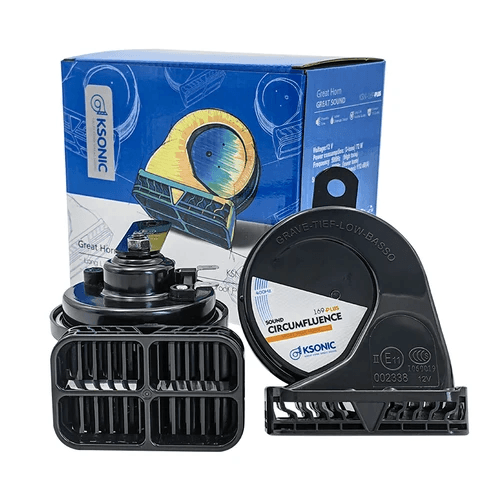
When it comes to selecting the best train horn for your truck, there’s no shortage of options. The right train horn can transform an ordinary vehicle horn into a powerful air horn sound that commands attention on the road. Let’s dive into some top contenders that will elevate your truck's auditory presence.
The Stanley Train Horn: A Classic
The Stanley Train Horn has earned its reputation as a classic choice among enthusiasts looking for a robust train horn for their trucks. This model features a durable design and delivers an impressive sound that mimics traditional train horns, making it perfect for those who want authenticity in their air horns. With easy installation and compatibility with most vehicles, the Stanley Train Horn is great for anyone seeking to upgrade their vehicle's horn sound.
Equipped with a powerful compressor, this train horn ensures you’ll be heard from far away, whether you're on the highway or at a tailgate party. Plus, its chrome finish adds a touch of flair to your truck’s aesthetics while maintaining functionality. If you're searching for reliable performance and classic appeal in train horns for vehicles, look no further than the Stanley Train Horn.
The Xiamen Osun Electronic Train Horn
If you’re after modern features combined with impressive sound output, the Xiamen Osun Electronic Train Horn might just be your best bet. This electronic model offers versatility by allowing users to choose from multiple sounds – not just one traditional train horn sound but several options that can suit various occasions. It’s perfect if you want to customize how your vehicle announces its presence.
Installation is straightforward, making it accessible even to those who aren't particularly handy with tools; all you need is basic equipment and some time! This air horn also boasts weather resistance, ensuring durability and performance regardless of conditions outside—ideal for adventurous truck owners who face all sorts of elements on the road. With this innovative option among train horns for trucks, you can enjoy both style and substance without compromising on safety or legality.
The HornBlasters Doomsday Train Horn
For those who truly want to make a statement with their vehicle horn, look no further than the HornBlasters Doomsday Train Horn! Known as one of the loudest options available on the market today, this beast is designed to turn heads (and ears) wherever you go—perfectly fitting its name! Its massive size and robust build ensure that it produces an earth-shattering air horn sound that rivals any real train horn.
The installation process may take more effort due to its size and required components; however, once set up correctly, you'll be rewarded with unparalleled auditory power every time you press that button! This model is ideal not just for trucks but also serves as an excellent choice if you're considering upgrading other vehicles like RVs or SUVs too—just imagine how fun it would be at gatherings! If loudness is what you seek in your new train horns for vehicles, then embracing the Doomsday will certainly deliver excitement beyond expectations.
Installation Tips for Train Horns
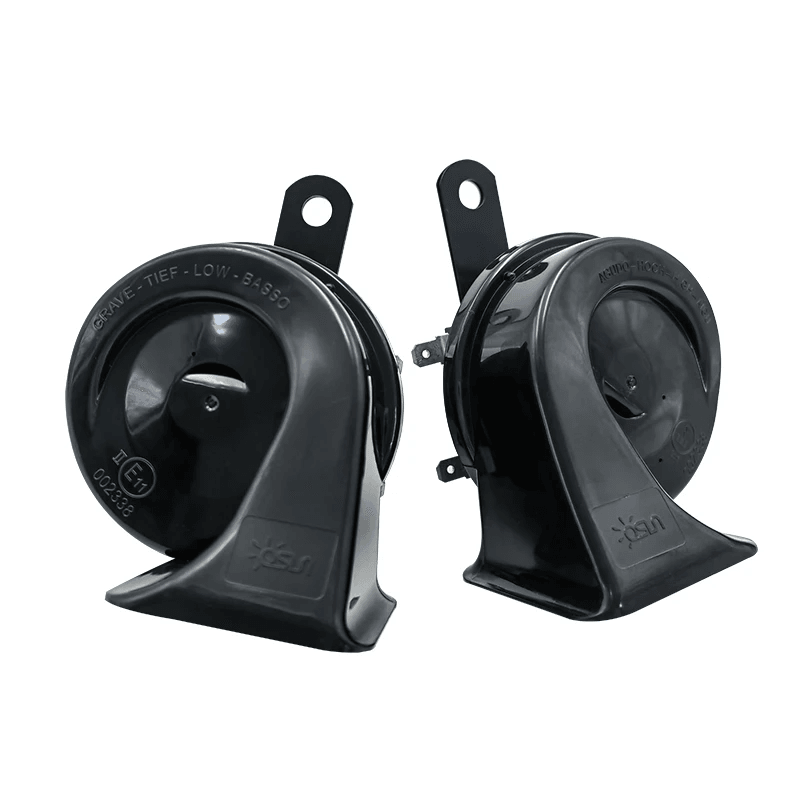
Installing a train horn for your truck can be a rewarding project that enhances your vehicle's sound profile. Whether you're looking to make a statement or improve safety, knowing how to properly install these powerful air horns is essential. Let’s dive into the tools you’ll need, the step-by-step process, and how to fine-tune that iconic horn sound.
Tools You’ll Need
Before you start the installation of your train horn for truck, gather the necessary tools to ensure a smooth process. You'll typically need a wrench set, screwdrivers (both flathead and Phillips), an air compressor, and possibly some plumbing tape for sealing connections. Additionally, having wire strippers and connectors handy will help with electrical hook-ups if your train horn requires power.
Don’t forget safety gear like gloves and goggles; working with vehicle horns can involve sharp components or high-pressure systems. If you're using an electronic train horn for train applications, make sure you have access to wiring diagrams specific to your model. With the right tools at your disposal, you'll be ready to tackle this installation like a pro!
Step-by-Step Installation Guide
Installing train horns on your vehicle is straightforward when broken down into manageable steps. Start by selecting a suitable location under the hood or chassis of your truck where the train horn can be securely mounted—ideally near the air compressor if you're using one. Once you've chosen the spot, use brackets or mounting hardware from your kit to secure the horn firmly in place.
Next up is connecting the air line from your compressor (if applicable) to the train horns; ensure there are no kinks in the line that could restrict airflow and affect performance. After securing all connections tightly, it’s time to connect any electrical components if required—this usually involves hooking up wires according to provided instructions or wiring diagrams specific to your model of air horns. Finally, once everything is installed correctly and securely fastened, conduct a test run by activating your new setup; enjoy that robust horn sound echoing through town!
Fine-Tuning the Air Horn Sound
Once installed, fine-tuning is crucial for achieving that perfect train horn sound you desire from your new setup! Start by adjusting any valves on the air compressor if available; these can help regulate pressure levels affecting how loudly or softly your train horns will blast out their signature tones. Experiment with different settings until you find what works best—not every driver prefers ear-piercing blasts!
Additionally, consider checking all mounting points after initial use; vibrations during operation may loosen screws over time which could affect sound quality as well as safety during driving conditions. Lastly, remember that practice makes perfect—take it out on open roads (safely!) and get accustomed to how loud those powerful sounds carry in various environments! With just a little bit of tweaking here and there, you'll be ready to embrace those booming air horn sounds whenever you hit the road.
Maintaining Your Train Horn

Maintaining your train horn is crucial to ensure it performs at its best and delivers that powerful air horn sound you crave. Regular upkeep not only prolongs the life of your train horn for truck but also keeps it sounding as impressive as the day you installed it. By following a few simple maintenance practices, you can avoid common pitfalls and ensure your vehicle horn remains a reliable attention-grabber.
Regular Maintenance Practices
To keep your train horns for vehicles in peak condition, start with routine checks of the air supply system. Ensure that the air compressor is functioning properly, as this is vital for producing that thunderous train horn sound. Additionally, inspect hoses and connections for leaks or wear; even minor issues can significantly impact performance.
Cleaning is another essential aspect of maintenance. Dust and debris can accumulate in the horn itself, dulling its sound quality over time. Use a soft cloth or brush to clean the exterior and check inside the horn periodically to ensure nothing obstructs the airflow.
Lastly, consider lubricating moving parts when necessary, especially if your train horn for truck has mechanical components that require it. A little preventive care goes a long way in maintaining an impressive air horn sound that will turn heads wherever you go.
Troubleshooting Common Issues
Even with regular maintenance, issues can arise with your train horns for vehicles from time to time. One common problem is reduced sound output; if your train horn isn't blasting like it used to, check for blockages in the air passages or low air pressure from the compressor. Sometimes simply clearing debris or adjusting settings can restore its impressive volume.
Another issue could be inconsistent tones or strange noises during operation. This often points to problems within the air supply system or faulty wiring connections; ensure everything is securely connected and functioning correctly before delving deeper into repairs. If problems persist, consulting user manuals specific to your model can provide tailored troubleshooting guidance.
Lastly, if you notice any visible damage—like cracks in plastic components or rust on metal parts—it's important to address these immediately before they worsen and affect overall performance of your vehicle horn.
When to Replace Train Horn Parts
Knowing when to replace parts of your train horns for vehicles can save you both time and money down the line. If you've performed regular maintenance but still experience persistent issues like leaks or diminished sound quality, it may be time to consider replacement parts such as valves or gaskets that are prone to wear over time.
Another indicator it's time for new components is age; even high-quality train horns have a lifespan dependent on usage and environmental factors like humidity and temperature extremes. If you're frequently using loud sounds in various conditions—like off-roading or through inclement weather—you may find yourself needing replacements sooner than expected.
Finally, pay attention to how well your current setup meets your needs: if you're looking for more power or different tones than what you've got now, upgrading specific pieces might be worthwhile instead of replacing everything altogether!
Legal Considerations for Train Horns
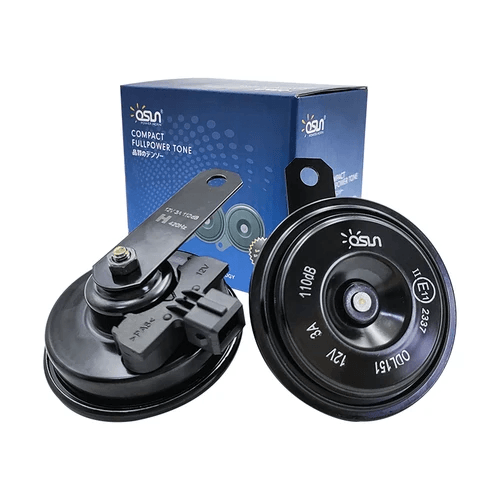
When considering the addition of a train horn for your truck, it’s crucial to familiarize yourself with vehicle horn laws in your area. These laws can vary significantly from one jurisdiction to another, often dictating the acceptable sound level and usage times for vehicle horns. Violating these regulations could result in fines or other legal repercussions, so it’s essential to do your homework before blasting that air horn sound.
Understanding Vehicle Horn Laws
Vehicle horn laws are designed to ensure safety on the roads while minimizing noise pollution. In many places, using a train horn for truck applications may be restricted or outright banned unless used in specific situations like emergencies. It’s important to check local ordinances and regulations regarding the use of loud horns and air horns to avoid any unnecessary run-ins with law enforcement.
Where You Can Use Train Horns
While you might be tempted to show off your new train horns for vehicles everywhere you go, there are designated areas where their use is not only acceptable but also appreciated. Typically, train horns can be used during parades, shows, or organized events where loud sounds are part of the fun. However, using them on public roads without due cause can lead to complaints from neighbors or even fines from local authorities.
Safety Tips for Using Loud Horns
Using a powerful train horn comes with great responsibility; after all, it’s not just about making noise but ensuring safety too! Always be mindful of your surroundings when using an air horn sound; sudden blasts can startle pedestrians and other drivers alike. To maximize safety while enjoying that impressive horn sound, consider using your train horn judiciously—only when necessary—and always follow local guidelines regarding usage.
Conclusion
In conclusion, upgrading your vehicle with train horns can be a game-changer for both safety and fun. Whether you're looking to make a statement or just want to ensure safety while driving, train horns are an excellent choice.
Upgrading Your Vehicle with Train Horns
When considering an upgrade, think about the impact of adding a train horn for truck applications. These air horns deliver a robust sound that can cut through traffic noise and grab attention, making them ideal for any vehicle enthusiast. Plus, the installation process is often straightforward, allowing you to enjoy the benefits of your new horn sound in no time.
Finding the Best Train Horn for Your Needs
Choosing the right train horn can feel overwhelming given the variety of options available in the market today. Start by assessing what you need from your air horns—do you want something loud enough to be heard from blocks away or a more subtle option? Researching features specific to train horns for vehicles will help narrow down your choices and find one that fits both your style and requirements.
Embracing the Power of Air Horn Sound
Once you've installed your new train horn, it’s time to embrace its power! The distinctive air horn sound not only brings excitement but also serves as an effective warning signal on busy roads. Remember, with great sound comes great responsibility—use it wisely and enjoy all that your new train horn has to offer!