
Introduction
A car horn serves as a vital tool for alerting other drivers, pedestrians, and cyclists of your presence, making it crucial for avoiding accidents. Understanding the nuances of car horn wattage and types can help you choose the right one for your vehicle’s needs.
Understanding the Importance of a Car Horn
The importance of a car horn cannot be overstated; it acts as your vehicle's voice on the road. Whether you're warning someone in your blind spot or signaling to a friend, a well-functioning horn can make all the difference in ensuring safety. As such, selecting an appropriate car horn wattage is key to achieving optimal sound output, allowing you to communicate effectively without being overly aggressive.
What is Car Horn Wattage?
Car horn wattage refers to the power rating that determines how loud or soft your horn will sound when activated. This measurement plays a significant role in how far away your sound can be heard and how effectively it captures attention in busy environments. For instance, horns with higher wattage typically produce louder sounds but may require careful consideration regarding compatibility with your vehicle’s electrical system and overall car horn voltage requirements.
Overview of Car Horn Types
There are various types of car horns available on the market today, each designed for specific purposes and preferences. From traditional horns that operate on mechanical principles to electric models like Denso car horns known for their reliability and performance, options abound for every driver’s taste. Additionally, unique designs such as snail with horns offer distinct sound profiles that can enhance both functionality and style when choosing a 12 volt horn for your vehicle.
Types of Car Horns

Exploring Snail with Horns
The snail with horns is a fascinating option that stands out in the world of car horns. This type features a distinctive spiral design that not only looks unique but also produces a rich, melodic sound that can be quite effective in alerting other drivers. While some may overlook this whimsical choice, its performance often surprises those who prioritize both aesthetics and functionality in their 12-volt horn selection.
In addition to its charming appearance, the snail with horns often boasts impressive car horn wattage capabilities, making it suitable for various vehicles. Its sound quality can rival more traditional options while adding a touch of personality to your ride. If you're looking to make your vehicle memorable while ensuring safety on the road, this type might just be your perfect match.
Traditional vs. Electric Horns
When comparing traditional and electric horns, one must consider their operational differences and benefits. Traditional air horns rely on compressed air to produce sound, while electric horns use an electrical current—typically powered by your vehicle's battery—to generate noise through vibrations in a diaphragm or speaker horn tweeter setup. Each has its pros and cons; for instance, traditional horns are often louder but may require more maintenance than their electric counterparts.
Electric horns are becoming increasingly popular due to their ease of installation and lower power consumption at specific car horn voltages—often around 12 volts—making them ideal for modern vehicles equipped with advanced electrical systems. Many drivers appreciate how electric options offer consistent performance without needing bulky compressors or tanks found in traditional systems. Ultimately, choosing between these two types hinges on personal preference regarding sound output and installation convenience.
The Benefits of Denso Car Horns
Denso car horns have gained recognition among automotive enthusiasts for several compelling reasons that set them apart from other horn brands on the market today. Known for their reliability and high-quality construction, Denso disc horns deliver excellent performance across various applications while maintaining optimal car horn wattage levels suitable for most vehicles. This ensures that you get a loud yet clear sound without compromising on durability or efficiency.
One standout feature of Denso car horns is their compatibility with different types of speaker horn tweeters, allowing users to customize their audio experience further based on personal preferences or specific vehicle requirements. Moreover, Denso's commitment to innovation means they continually improve upon existing designs to enhance both aesthetics and functionality—a win-win situation for any driver seeking an upgrade from standard factory-installed units.
In summary, whether you're drawn towards the quirky charm of snail with horns or seeking dependable options like Denso disc horns, understanding the different types can significantly impact your choice when upgrading or replacing your vehicle's auditory warning system.
Decoding Car Horn Wattage

Understanding car horn wattage is crucial for anyone looking to upgrade or replace their vehicle's horn. The wattage directly influences how loud and clear the sound output will be, which can make a significant difference in safety and communication on the road. In this section, we’ll explore how wattage affects sound output, help you choose the right wattage for your vehicle, and debunk some common myths about car horn voltage.
How Wattage Affects Sound Output
Car horn wattage plays a pivotal role in determining the overall sound output of your vehicle's horn system. Generally, higher wattage means a louder sound; this is essential if you want to ensure your presence is known on busy roads. For instance, if you're considering a Denso car horn or any other brand, understanding its wattage can help you gauge whether it will meet your needs for clarity and volume.
Moreover, different types of horns—like snail with horns or traditional electric models—can vary significantly in their sound characteristics based on their wattage ratings. This means that while one model may produce a deafening blast at 12 volts with high wattage, another might offer a more subdued tone at lower power levels. Thus, knowing how much power your chosen car horn draws can be vital for achieving the desired auditory impact.
Choosing the Right Wattage for Your Vehicle
When selecting the right car horn wattage for your vehicle, it's essential to consider both your driving environment and personal preferences. If you frequently navigate through urban areas with heavy traffic or construction noise, opting for a higher-watt Denso disc horn might be beneficial to cut through the cacophony effectively. Conversely, if you’re mostly driving in quieter regions or prefer subtlety over volume, lower watt options could suffice.
Additionally, it's crucial to check compatibility with your vehicle’s existing electrical system before making any purchases; not all cars are equipped to handle high-watt horns without modifications. Consulting product specifications can help clarify whether you'll need additional components like relays or upgraded wiring when installing a new speaker horn tweeter as part of your setup. Ultimately, choosing the right wattage involves balancing loudness with practicality based on where and how you drive.
Myths About Car Horn Voltage
There are several myths surrounding car horn voltage that can mislead consumers when shopping for an upgrade or replacement unit. One common misconception is that higher voltage always equates to louder sound; however, this isn't necessarily true since other factors like design and construction also play significant roles in performance—especially in brands like Denso that focus on quality engineering alongside power ratings.
Another myth suggests that any 12-volt horn will work seamlessly across different vehicles without issues; while most are designed to operate within standard automotive systems, variations exist between models that may affect functionality if improperly matched with specific setups. Understanding these nuances ensures you're not left frustrated after installation due to unexpected incompatibilities arising from incorrect assumptions about voltage requirements.
To sum up our exploration of car horn wattage: being informed about how it influences performance helps ensure an effective choice tailored specifically for each driver’s needs while debunking prevalent myths empowers smarter purchasing decisions down the line.
The Role of the Speaker Horn Tweeter
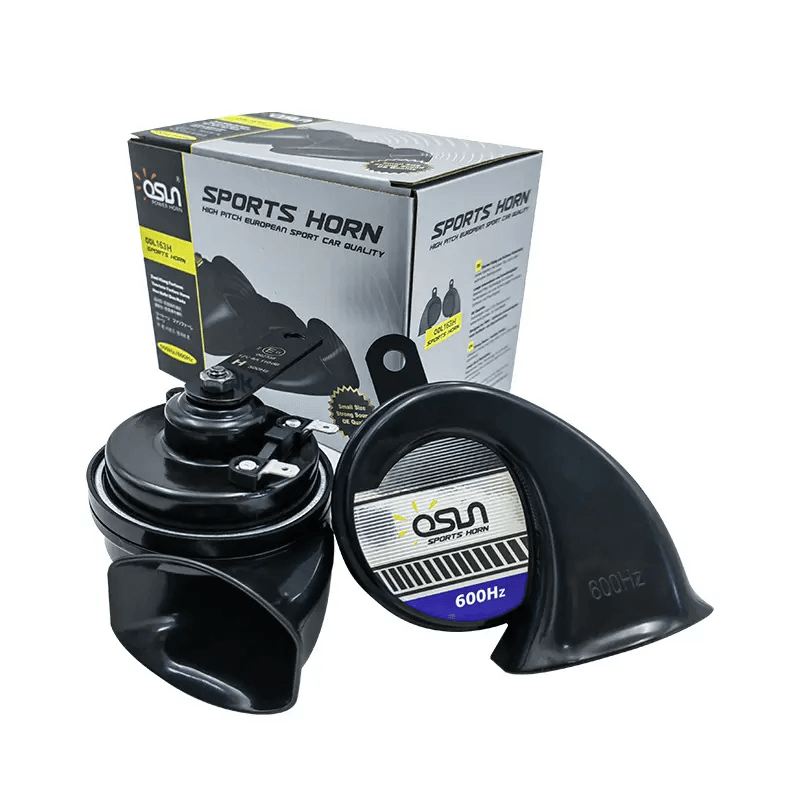
When it comes to car horns, the speaker horn tweeter plays a pivotal role in enhancing sound quality. Tweeters are designed to produce high-frequency sounds that complement the lower frequencies generated by standard car horns, such as those found in traditional models or even the popular Denso car horn. By incorporating a tweeter into your system, you can achieve a fuller sound profile that ensures your vehicle's horn is not just loud but also clear and attention-grabbing.
Enhancing Sound Quality
The addition of a speaker horn tweeter can significantly improve the overall sound quality of your car horn setup. While many drivers may focus solely on car horn wattage when selecting their horns, neglecting to consider the tweeter can lead to a less satisfying auditory experience. A well-matched tweeter will allow for sharper and more precise tones, making it easier for others on the road to hear you—whether you're using a classic snail with horns or a modern Denso disc horn.
Tweeter Specifications to Consider
When choosing a tweeter for your 12-volt horn system, there are several specifications worth considering. Look at factors such as frequency response range and power handling capabilities; these details will help ensure compatibility with your existing car horn voltage and wattage requirements. Additionally, pay attention to sensitivity ratings—higher sensitivity means better performance at lower power levels, which is especially important if you're aiming for an efficient setup without compromising on sound quality.
Popular Tweeter Options for Car Horns
There are numerous options available when it comes to selecting popular tweeters for your car horns. Brands like Denso offer specialized models designed specifically for use with their renowned Denso disc horns, ensuring optimal performance and sound clarity. Other notable brands also provide high-quality speakers that can enhance any standard or electric horn setup while maintaining the desired car horn wattage necessary for effective operation.
Comparing Horn Brands

When it comes to car horns, not all brands are created equal. A great horn brand combines durability, sound quality, and the right car horn wattage to ensure clear and powerful alerts on the road. Additionally, they should offer a variety of options, including traditional horns and more modern electric models like the popular Denso disc horn.
What Makes a Great Horn Brand?
A great horn brand stands out by consistently delivering high-quality products that meet consumer needs. Factors such as sound output, reliability under various conditions, and compatibility with different vehicles play crucial roles in defining a brand's reputation. Furthermore, brands that provide excellent customer service and warranty options often gain loyal customers who appreciate support when dealing with issues related to car horn voltage or installation.
Spotlight on Denso Disc Horns
Denso disc horns have earned a stellar reputation among car enthusiasts for their exceptional performance and reliability. Known for their robust construction and impressive sound output, these horns typically operate at optimal car horn wattage levels that ensure they can be heard clearly in various driving environments. With their sleek design and easy installation process, Denso disc horns are an excellent choice for anyone looking to upgrade their vehicle’s auditory signal.
Other Notable Car Horn Brands
While Denso is certainly a standout in the world of car horns, several other notable brands also deserve recognition. Brands like Hella and Fiamm offer diverse options ranging from snail with horns to high-performance electric models that cater to different preferences and budgets. These manufacturers also focus on speaker horn tweeter technology to enhance sound quality further while ensuring compatibility with standard 12-volt systems for easy integration into your vehicle.
Installation Tips and Considerations
Installing a car horn might seem like a daunting task, but with the right tools and guidance, it can be a straightforward process. Before diving into the installation, it's crucial to understand the specific requirements of your chosen horn brand, especially if you're opting for something like the Denso car horn or a snail with horns model. Proper installation ensures that your new 12-volt horn functions optimally and delivers the sound output you expect.
Essential Tools for Installation
To set up your new car horn effectively, you'll need a few essential tools at your disposal. Start with basic hand tools such as screwdrivers, pliers, and wrenches; these will help you secure the horn in place without any hassle. Additionally, having wire strippers and electrical tape on hand is vital since you'll likely be working with car horn voltage connections that require proper insulation to avoid short circuits.
If you plan to install a speaker horn tweeter for enhanced sound quality alongside your primary horn, make sure to have some extra wiring ready as well. Depending on your vehicle's setup and the specific wattage of your new horns, you may also need a relay switch to manage power distribution effectively. With these tools at hand, you're well-equipped to tackle the installation process confidently.
Step-by-Step Installation Guide
1. **Preparation**: Begin by disconnecting your vehicle's battery to ensure safety while working with electrical components like car horns and wiring systems.
2. **Remove Old Horn**: If you're replacing an existing horn, locate it (usually near the front grille) and unscrew it from its mounting bracket before disconnecting its wires.
3. **Mount New Horn**: Position your new Denso disc horn or whichever model you've chosen in the same spot as the old one or another suitable location that allows for proper airflow and sound projection.
4. **Connect Wires**: Attach the wires from your 12-volt horn according to their color coding—typically black for ground and red for power—ensuring secure connections using wire connectors or soldering if necessary.
5. **Install Tweeter (if applicable)**: If you're adding a speaker horn tweeter for better sound quality, mount it in an appropriate location inside or outside of your vehicle where it won't be obstructed.
6. **Final Checks**: Once everything is connected securely, double-check all connections before reattaching the battery cable.
7. **Test Your Horns**: Finally, give them a test honk! Make sure both horns are functioning correctly without any unusual sounds or issues related to wattage levels.
Following this step-by-step guide will help ensure that you get optimal performance from both traditional horns and modern options like snail with horns designs while enhancing overall audio quality through added tweeters.
Common Mistakes to Avoid
Even seasoned DIYers can stumble during installations; here are some common pitfalls specifically related to car horns that you'll want to avoid at all costs! First off, don't underestimate car horn wattage requirements; installing a low-wattage model when higher power is needed can lead to disappointing sound output or even damage over time due to insufficient voltage handling capabilities.
Another mistake often made is neglecting proper grounding; failing to connect grounds securely can cause intermittent operation or complete failure of either standard horns or any additional speaker horn tweeter you've installed alongside them. Lastly, always read through manufacturer instructions thoroughly—especially when dealing with different brands like Denso—to ensure compatibility between existing wiring systems in your vehicle!
By keeping these tips in mind during installation day—armed with essential tools—you'll not only avoid common mistakes but also enjoy an impressive upgrade in sound quality from both traditional models as well as contemporary designs like those offered by reputable brands such as Denso!
Conclusion
Understanding key features such as car horn wattage and the advantages of different types, like snail with horns or electric options, is crucial for making an informed decision. A well-selected horn not only improves safety but also adds a bit of personality to your vehicle.
Key Features to Look for in a Car Horn
When evaluating car horns, consider wattage as it directly influences sound output; higher wattage typically means louder sounds that can pierce through traffic noise. Additionally, look for features like durability and weather resistance, especially if you live in areas with harsh climates. Don’t forget about the speaker horn tweeter; a good tweeter enhances sound quality and clarity, making sure your message is heard loud and clear.
The Best Brands and Models Available
Among the top contenders in the market are Denso car horns, known for their reliability and impressive performance. The Denso disc horn stands out due to its robust construction and excellent sound quality, making it a favorite among drivers seeking both power and longevity. Other notable brands also offer high-quality options; however, Denso consistently ranks at the top for its combination of value and performance in various car horn wattage categories.
Final Thoughts on Choosing Your 12V Horn
In conclusion, selecting the right 12-volt horn requires careful consideration of several factors including sound output, brand reputation, and installation ease. Be wary of myths surrounding car horn voltage; understanding these elements will empower you to choose wisely without falling prey to common misconceptions. Ultimately, whether you opt for a traditional model or something more modern like a snail with horns design, ensure it fits your needs while keeping safety as your top priority.