
Introduction
When it comes to enhancing your vehicle's auditory presence, understanding the snail horn concept is essential. These unique horns are designed to produce a rich, high-low tone that can grab attention on the road. If you've ever wondered, What is a snail horn? you're in for a treat—this guide will cover everything from installation techniques to cost considerations.
Understanding the Snail Horn Concept
The snail horn operates on a simple yet effective mechanical principle that allows it to emit sound waves at varying frequencies. This design not only makes it more distinct than standard horns but also adds an element of style to your vehicle's exterior. As you explore snail horn installation, you'll discover how these horns can elevate your driving experience and ensure you’re heard loud and clear.
Benefits of High Low Tone Electric Horns
High low tone electric horns offer numerous advantages over traditional single-tone options. They provide a more melodic sound that can be both attention-grabbing and pleasant to hear, making them ideal for urban environments where safety is paramount. Plus, with brands like Xiamen Osun leading the charge in quality production since 2007, you can trust that these horns are built to last and perform well under various conditions.
Snail Horn Installation Made Simple
Worried about how much it costs to install a horn on a car? Fear not! Snail horn installation is often straightforward enough for DIY enthusiasts or can be completed by professionals without breaking the bank. We'll guide you through each step of the process so you can confidently tackle questions like Can I install a horn without a relay? and even Can I replace a horn switch myself? with ease.
What is a Snail Horn?
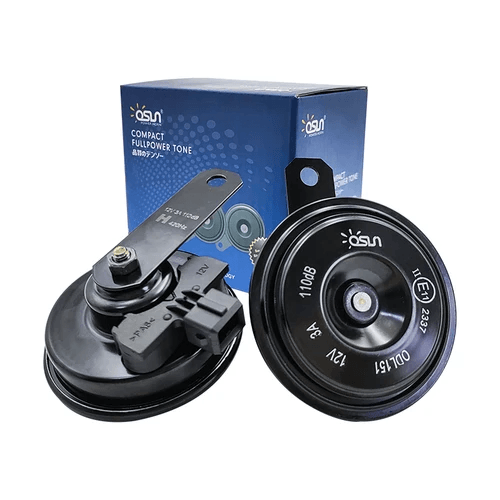
A snail horn is an electric horn that produces sound through a unique mechanism that mimics the low and high tones of traditional horns. These horns are designed not only for their distinctive sound but also for their reliability and ease of installation, making them a popular choice among car enthusiasts.
Overview of Snail Horn Mechanics
The mechanics behind a snail horn are quite fascinating. Unlike conventional horns that may rely on air pressure, a snail horn uses an electromagnetic system to generate sound waves, allowing for varied tones. This design results in a more robust and resonant sound that can effectively grab attention on the road, which is particularly useful in busy traffic situations.
Moreover, the compact design of most snail horns makes them easy to integrate into various vehicles without excessive modification during installation. This ease brings us to the question: Can I install a horn without a relay? While technically possible, it’s advisable to use one for optimal performance and safety during your snail horn installation.
Features of High Low Tone Electric Horns
High low tone electric horns come with several features that set them apart from standard options. They typically offer dual-tone output, allowing drivers to choose between a deep honk or a sharp beep depending on their needs or preferences at any given moment. This versatility enhances not just safety but also adds personality to your vehicle.
Additionally, these horns are often built with durable materials designed to withstand harsh weather conditions and vibrations from driving. Their reliable performance means you won’t have to worry about how much it costs to install a horn on a car when you choose quality products like those from Xiamen Osun Electronic Technology Co., Ltd., known for their commitment since 2007.
Popular Brands Like Xiamen Osun
When discussing reliable brands in the realm of automotive parts, Xiamen Osun Electronic Technology Co., Ltd. stands out prominently. Founded in 2007, they specialize in manufacturing high-quality electric horns among other auto parts using advanced European technology and standards. With certifications like IATF16949 & EMARK11 under their belt, they ensure that every product meets rigorous quality benchmarks.
For those considering installing new horns or replacing existing ones—perhaps even asking themselves Can I replace a horn switch myself?—Xiamen Osun provides excellent resources and support for DIY enthusiasts looking for hassle-free solutions during their snail horn installation process. Their professional R&D team ensures customer satisfaction while meeting diverse automotive needs across various markets.
Snail Horn Installation

Installing a snail horn can be a rewarding DIY project that enhances your vehicle's sound and style. Understanding the steps involved in snail horn installation is crucial for ensuring a successful outcome. Whether you're replacing an old horn or upgrading to a high-low tone electric horn, following the right procedures will make your installation process smooth and efficient.
Step-by-Step Installation Guide
To start with snail horn installation, first, disconnect the car battery to ensure safety while working on electrical components. Next, locate the existing horn; it’s usually mounted on or near the front bumper. Remove the old horn by unscrewing it from its bracket and disconnecting the wiring harness.
Once you have removed the old setup, it's time to mount your new high-low tone electric horn from Xiamen Osun. Position it in a similar location as before to maintain ease of access and optimal sound projection. Connect the wiring harness according to the instructions provided with your new snail horn, ensuring that you secure all connections tightly.
After everything is hooked up, reconnect your car battery and test your new horn by pressing the steering wheel button. If it sounds great, congratulations—you've successfully completed your snail horn installation! If not, double-check all connections and ensure that you’ve followed each step accurately.
Required Tools for Installation
Before diving into snail horn installation, gather all necessary tools to streamline your process and avoid unnecessary interruptions. You will typically need basic hand tools such as a socket wrench set or screwdrivers for removing screws and mounting brackets. Additionally, wire connectors or electrical tape may be required for securing any loose wires during installation.
If you're considering whether Can I install a horn without a relay? remember that while it's technically possible, using one is highly recommended for optimal performance and safety reasons. A relay helps manage electrical load effectively—reducing strain on your vehicle's battery while ensuring consistent power delivery to your new high-low tone electric horns.
Lastly, having safety gear like gloves and goggles is wise when working with electrical components in case of accidental shorts or debris flying around during removal processes.
Common Installation Mistakes
Even seasoned DIY enthusiasts can make errors during snail horn installation—so let’s highlight some common pitfalls! One frequent mistake is neglecting to disconnect the car battery before starting work; this can lead to shocks or short circuits that damage both you and your vehicle's electrical system. Always prioritize safety by taking this simple precaution.
Another common error involves poor wiring connections; if wires are not securely connected or are improperly insulated with tape or connectors, they may come loose over time leading to malfunctioning horns down the road—nobody wants that! Additionally, failing to check compatibility between different brands can result in subpar performance; always ensure that whatever brand you choose (like Xiamen Osun) meets quality standards for compatibility with existing systems.
Lastly, some people underestimate how much it costs to install a horn on a car when opting for professional help instead of going DIY; always do thorough research on pricing beforehand so there are no surprises later!
Can I Install a Horn Without a Relay?

Installing a horn can seem straightforward, but the question of whether you can skip using a relay is crucial to consider. A relay acts as an intermediary switch that helps manage electrical flow, ensuring your snail horn operates efficiently without overwhelming your vehicle's circuitry. Understanding the importance of this component is essential for anyone considering snail horn installation.
Importance of Relay in Horn Installation
When it comes to installing high low tone electric horns like those from Xiamen Osun, using a relay is highly recommended. The relay allows higher current to pass through while protecting the vehicle's wiring and switches from potential damage. Without it, you risk overheating wires and possibly causing electrical failures—definitely not what you want when you're asking yourself, Can I install a horn without a relay?
Risks of Skipping the Relay
Skipping the relay during installation may seem like an easy way to cut corners, but it comes with significant risks. If you proceed without this crucial component, you could face blown fuses or even burnt out components that lead to costly repairs—raising the question of how much does it cost to install a horn on a car? Additionally, poor performance or malfunctioning horns can leave you in precarious situations when safety is at stake.
Safety Tips for Horn Installation
Safety should always be your top priority during any DIY project, including snail horn installation. Before starting, ensure that all tools are ready and that you're working in an area with adequate lighting and ventilation. Familiarize yourself with common pitfalls by researching questions like Can I replace a horn switch myself? so you're well-prepared for any challenges that may arise during installation.
Cost of Installing a Car Horn

When considering snail horn installation, it's essential to understand the various costs involved. The overall expense can vary significantly based on whether you choose to tackle the installation yourself or hire a professional. Additionally, there are hidden costs that might sneak up on you if you're not careful.
Breakdown of Installation Costs
The cost of installing a car horn typically includes the price of the horn itself and any additional components required for installation. For example, high low tone electric horns can range from $30 to $150 depending on brand and quality, with Xiamen Osun offering competitive options in this category. If you're looking at professional services, labor charges can add another $50 to $100 to your total bill.
Moreover, don't forget about potential extras like wiring kits or relays—especially if you're asking yourself, Can I install a horn without a relay? While it’s possible, skipping this component could lead to electrical issues down the line. Thus, budgeting around $20 for these necessary accessories is wise.
DIY vs Professional Installation
Deciding between DIY and professional installation can significantly impact how much it costs to install a horn on a car. If you're handy with tools and have some experience working on vehicles, doing it yourself could save you money in labor costs while providing satisfaction from completing the task independently. However, ensure you have all necessary tools and follow instructions carefully; otherwise, you might end up asking yourself again about those hidden costs related to mistakes.
On the flip side, hiring professionals can guarantee that your snail horn installation is done correctly and efficiently—particularly when considering complex wiring setups or if you're unsure about replacing parts like the horn switch yourself. While professional help may seem more expensive upfront, it often saves time and prevents costly errors that could arise from improper installations.
Hidden Costs to Consider
When budgeting for snail horn installation, it's crucial not to overlook hidden costs that may arise during the process. These may include unexpected repairs needed due to old wiring or additional parts required if your current setup isn’t compatible with new horns. For instance, if you find out mid-installation that your existing wiring can't handle high low tone electric horns' power demands without upgrades.
Additionally, consider any potential fees associated with disposal of old parts or even travel expenses if you're sourcing components from multiple locations—especially for brands like Xiamen Osun which might not be available everywhere! Lastly, always factor in time; whether it's time spent researching or physically installing components—you can't put a price tag on peace of mind when everything works as intended!
Can I Replace a Horn Switch Myself?
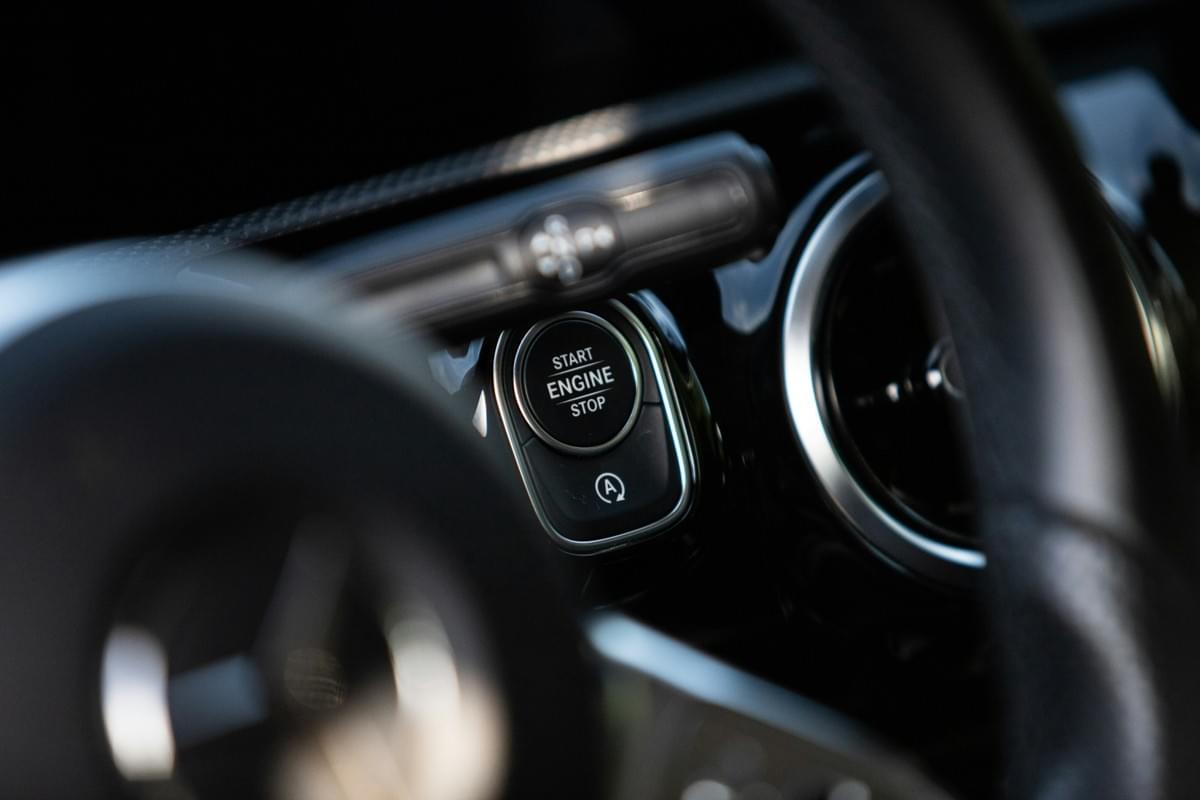
Replacing a horn switch might seem daunting, but with the right tools and guidance, you can tackle this task like a pro. A malfunctioning horn switch can lead to an unreliable horn, which is essential for safety on the road. If you're wondering, Can I replace a horn switch myself? the answer is yes, and this section will guide you through it.
Tools and Instructions for Replacement
To replace your horn switch successfully, you'll need a few basic tools: a screwdriver set (both flathead and Phillips), wire cutters or strippers, and possibly a multimeter for testing electrical connections. Start by disconnecting your vehicle's battery to avoid any electrical mishaps during the replacement process. After removing the steering wheel cover, locate the old switch; usually, it's connected via wiring harnesses that may require gentle prying or unscrewing.
Carefully disconnect the old switch from its wiring harness and install the new one by reversing these steps. Ensure that all connections are secure before reassembling everything back in place. Remember to reconnect your battery once you're done—now it's time to test your new horn switch!
Signs You Need a New Horn Switch
There are several telltale signs that indicate it’s time to consider replacing your horn switch. If you find yourself asking questions like What is a snail horn? while wondering why your car's horn isn't functioning properly, pay attention to these warning signs: no sound when pressing the button or intermittent honking can signal an issue with the switch itself. Additionally, if you've recently completed snail horn installation but still face problems with sound output, it might be related to this component.
Other indicators include visible wear on the steering wheel or surrounding areas where moisture could have seeped in over time. If you've ruled out issues with the actual snail horns from reputable brands like Xiamen Osun Electronic Technology Co., Ltd., then it's likely that replacing your horn switch is necessary.
Tips for Successful Replacement
When replacing your horn switch yourself, preparation is key! Make sure you have all necessary tools at hand before starting; this will save you from scrambling halfway through when you realize something's missing—trust me! Additionally, take pictures of each step as you go along; they can serve as helpful references when reassembling components after completing your snail horn installation.
Don't rush through any part of this process; double-check all connections before putting everything back together to ensure optimal performance of both your new switch and horns. Finally, always test functionality after installation—if something seems off during testing (like asking “Can I install a horn without a relay?”), don’t hesitate to revisit steps or consult resources for troubleshooting tips.
Conclusion
In conclusion, upgrading to snail horns can significantly enhance your vehicle's auditory presence, making it more noticeable on the road. The unique sound profile of high low tone electric horns not only adds character to your car but also improves safety by alerting other drivers and pedestrians. With brands like Xiamen Osun leading the way in quality and innovation, choosing a snail horn for your vehicle is a smart investment.
Enhancing Your Vehicle with Snail Horns
What is a snail horn? It’s an innovative car accessory designed to provide a distinct sound that stands out from standard factory horns. By opting for high low tone electric horns, you not only elevate your vehicle's aesthetic appeal but also ensure that you’re heard when it matters most.
When considering how much does it cost to install a horn on a car, remember that investing in quality components pays off in terms of performance and durability. Snail horn installation can be straightforward if you follow proper guidelines and use the right tools. Ultimately, enhancing your vehicle with these horns is about combining style with functionality.
Making Installation Easy and Affordable
Snail horn installation doesn’t have to break the bank or require professional help if you're willing to take on some DIY tasks. With clear instructions and the right materials at hand, many car enthusiasts find they can successfully install their new horns without any hiccups. However, it's essential to consider whether you can install a horn without a relay; while it's possible, using one ensures optimal performance and longevity of your horn system.
The added safety features provided by relays shouldn't be overlooked when planning your installation budget. Understanding how much does it cost to install a horn on a car will help you prepare financially for either DIY or professional services while ensuring you get quality results every time. Remember that sometimes paying for expertise saves time and potential headaches down the line!
The Importance of Proper Horn Maintenance
Once you've successfully completed your snail horn installation, maintaining its functionality is crucial for long-term satisfaction. Regular checks will help ensure that connections remain secure and free from corrosion or damage over time—this includes looking at wiring related to whether you can replace a horn switch yourself if needed in the future.
Signs indicating that it's time for replacement may include inconsistent sounds or complete silence when activated; addressing these issues promptly will keep everything in top condition! In addition, knowing how much does it cost to install a horn on a car helps gauge whether repairs or replacements are worth pursuing versus doing them yourself.
Investing time into understanding what is involved in maintaining your new high low tone electric horns will pay dividends in performance and peace of mind as you enjoy driving with enhanced auditory presence!