
Introduction
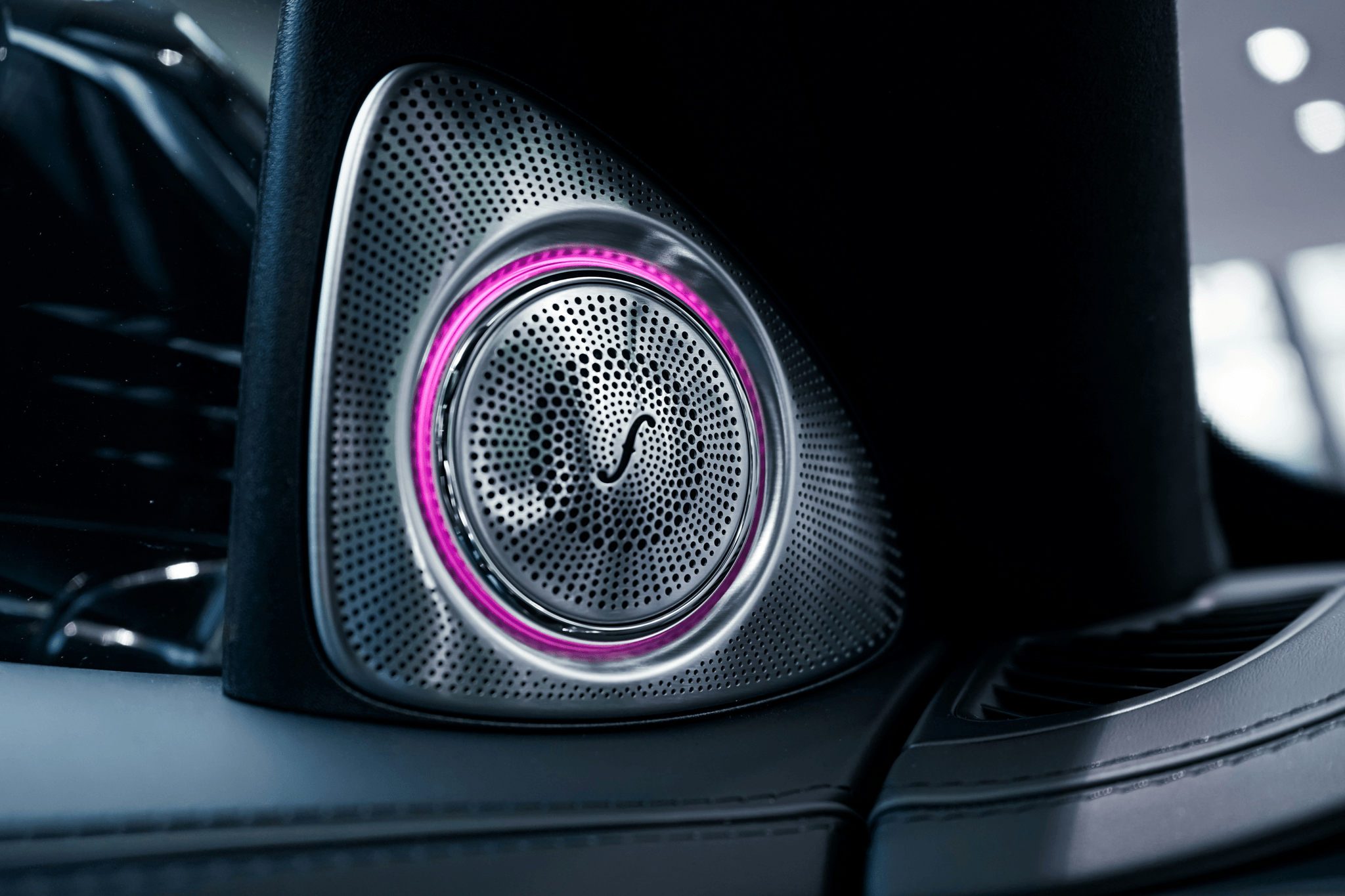
A car horn is not just a tool for alerting others; it’s a vital component of vehicle audio systems that enhances safety and communication on the road. Understanding the nuances of your car horn shell and how it integrates with other audio elements can transform your driving experience.
The Importance of Car Horns
Car horns serve as an essential means of communication between drivers, pedestrians, and cyclists. They can alert others to potential dangers or simply signal a friendly hello in traffic. Beyond their basic function, the choice of an audio car horn can reflect your personality and even improve the overall sound quality of your vehicle's audio system.
Understanding Vehicle Audio Systems
To truly appreciate what makes a great car horn, one must first grasp how vehicle audio systems operate as a whole. These systems encompass everything from speakers to amplifiers, all working together to produce sound that enhances your driving experience. The integration of components like the car horn shell into this system is crucial for achieving optimal sound quality and performance.
Exploring Premium Car Accessories
In today's market, premium accessories are more than just add-ons; they are essential for any serious car enthusiast looking to enhance performance and aesthetics. Upgrading to high-quality horns or additional features can make a significant difference in both functionality and style. By investing in premium accessories tailored for your vehicle's audio system, you not only elevate your ride but also ensure that every honk resonates with clarity—measured in decibels (horn db)—and authority.
The Anatomy of a Car Horn
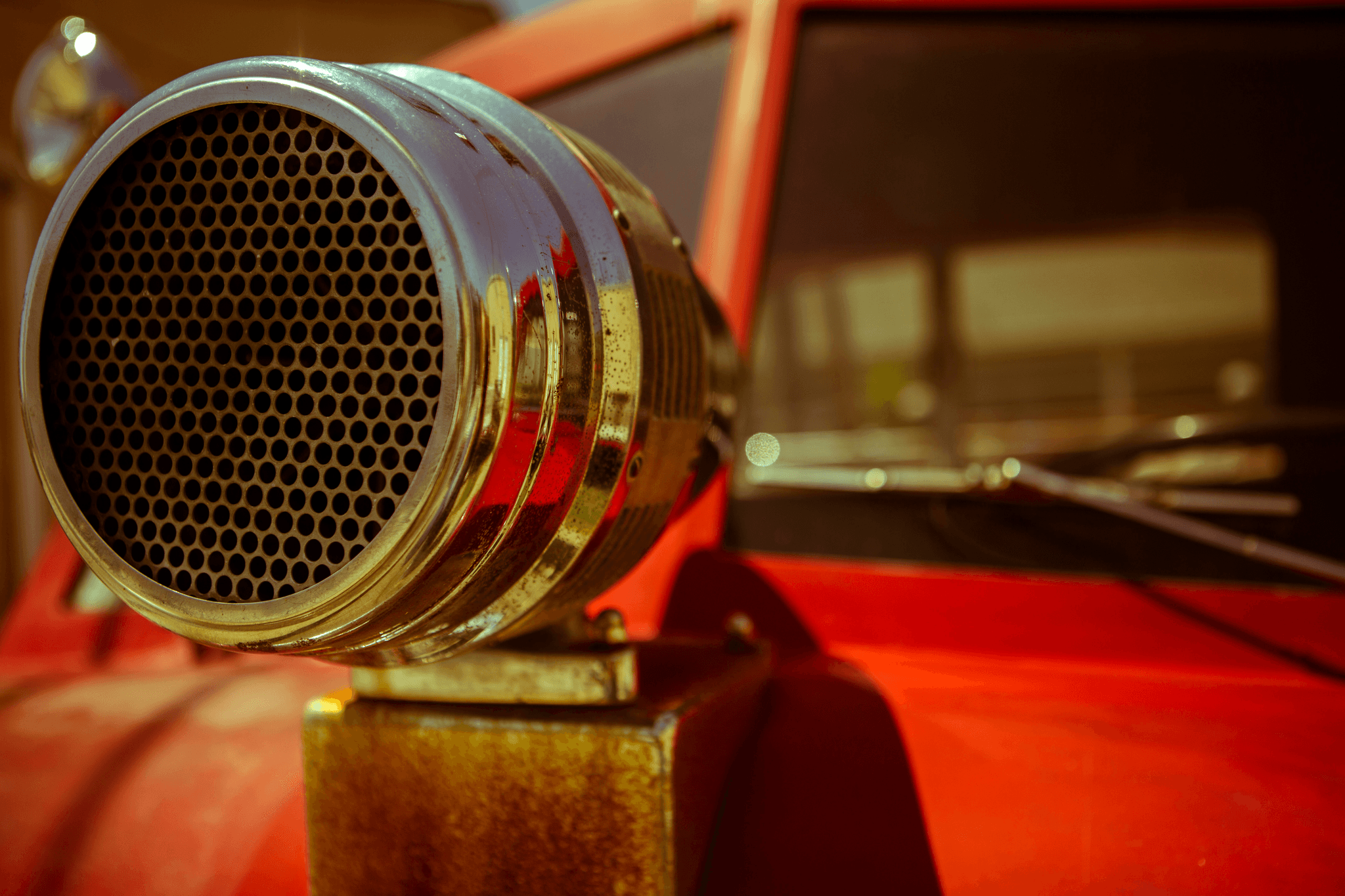
Understanding the anatomy of a car horn is crucial for any vehicle owner looking to enhance their ride's audio experience. A car horn is more than just a noise-maker; it’s an essential component of vehicle audio that ensures safety and communication on the road. By delving into its components, sound variations, and decibel levels, you can make informed choices about upgrading or maintaining your audio car horn.
Components of a Car Horn Shell
At its core, the car horn shell is designed to house and protect various internal components while amplifying sound. Typically made from durable materials like plastic or metal, the shell contains the diaphragm and electromagnet that create sound when activated. Understanding these components helps you appreciate how they work together to produce that unmistakable honk we all know too well.
The design of the car horn shell can also influence its performance; a well-constructed shell enhances durability while optimizing sound projection. This means that not all horns are created equal—some may have superior shells that contribute to a richer audio experience compared to others in the same category. When considering upgrades, pay attention to the quality of the car horn shell as it directly impacts your vehicle's audio output.
How Different Horns Affect Sound
Not all horns are created equal; different types produce varying sounds that can significantly impact your driving experience. For instance, air horns deliver a powerful blast often used in larger vehicles like trucks, while electric horns provide a more melodic tone suitable for smaller cars. Each type has its unique characteristics influenced by design elements such as size and material used in crafting the car horn shell.
The choice between these options largely depends on personal preference and intended use—whether you're looking for something subtle or aiming to make a bold statement on the road with an audio car horn that's hard to ignore. Additionally, some models allow customization in terms of pitch and volume, providing drivers with even more control over how they communicate with others on the road.
Horn Decibels and Their Impact
Horn decibels (DB) play an essential role in determining how effectively your vehicle communicates with other drivers—and potentially avoids accidents! Generally speaking, higher DB ratings mean louder sounds; however, it's important not just to focus on volume but also clarity when choosing an audio car horn. An optimal balance between loudness and tonal quality will ensure you're heard without being jarring.
Understanding DB levels can help you select a horn suitable for various driving conditions; urban environments may require louder horns due to increased background noise compared to rural settings where subtler sounds might suffice. Furthermore, be mindful that excessively loud horns might attract unwanted attention or violate local noise ordinances—so always check regulations before upgrading! Ultimately, knowing about horn DB allows you not only to enhance safety but also tailor your vehicle's personality through sound.
Upgrading Your Vehicle Audio
A high-quality audio car horn can transform the way you communicate on the road, making it not just a safety tool but also an extension of your vehicle's personality. Choosing the right audio car horn involves understanding its components, sound quality, and how it fits into the broader context of your vehicle audio system.
Choosing the Right Audio Car Horn
Selecting the right audio car horn is akin to picking out a fine wine; you want something that complements your ride while delivering a robust performance. Start by considering the type of sound you desire—be it a classic honk or something more melodious. Look for horns with durable car horn shells that can withstand various weather conditions while ensuring optimal sound projection.
Additionally, pay attention to compatibility with your existing vehicle audio setup; some horns may require specific wiring or power sources to function correctly. Don't forget about aesthetic appeal—after all, you want a car horn that looks as good as it sounds! Ultimately, investing time in choosing the right audio car horn pays off in both performance and style.
Sound Quality Matters: Horn DB Explained
The decibel level (DB) of your car horn is crucial when considering sound quality and effectiveness in real-world scenarios. Higher DB ratings generally mean louder sounds, which can be essential for alerting other drivers or pedestrians effectively. However, it's not just about volume; clarity and tone also play significant roles in how well your message gets across.
Understanding what constitutes an ideal range for horn DB can help you make informed decisions when upgrading your vehicle’s audio system. For most vehicles, a range between 100-120 DB is sufficient for everyday use without being overly obnoxious. So whether you're cruising down Main Street or navigating through busy intersections, having a well-rated audio car horn ensures you're heard loud and clear.
Branding Considerations for Audio Systems
When diving into upgrades for your vehicle's audio system—including the all-important car horn shell—brand reputation matters significantly. Established brands often invest in research and development to create products that meet rigorous quality standards and offer reliable performance over time. While premium brands may come with higher price tags, they often deliver superior sound quality and durability compared to lesser-known alternatives.
Moreover, consider how well different brands integrate their products within existing vehicle audio systems; compatibility can save you from unnecessary headaches during installation or operation later on. Remember that investing in reputable brands not only enhances immediate performance but also contributes to long-term satisfaction with your upgrades as they tend to last longer under varying driving conditions.
Premium Accessories for Enhanced Performance
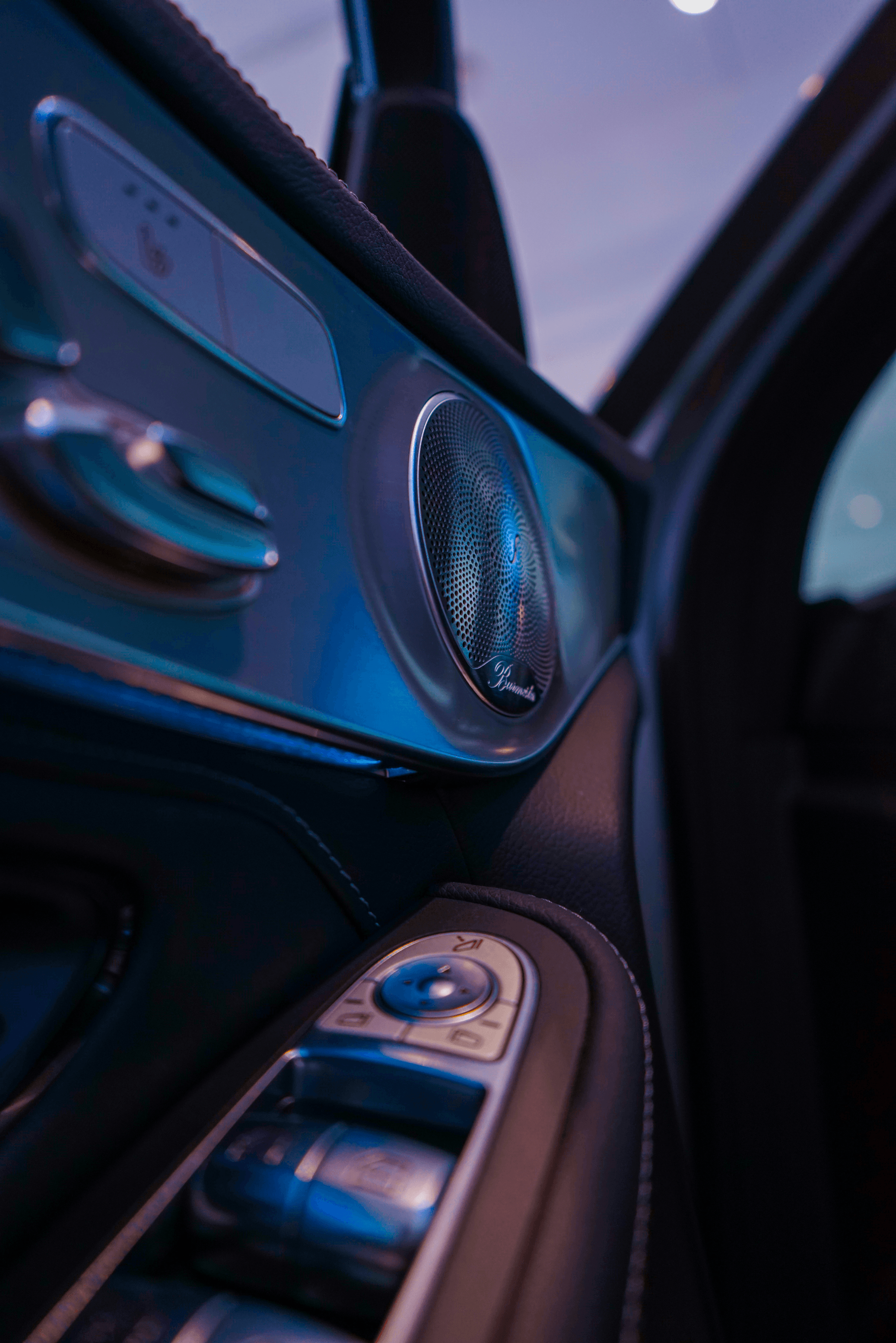
Car enthusiasts are always on the lookout for additions that not only boost functionality but also add a touch of flair to their vehicles. From upgraded audio systems to specialized car horn shells, these accessories can significantly transform your vehicle's overall vibe.
Must-Have Additions for Car Enthusiasts
For those who take pride in their rides, certain accessories can make all the difference. An upgraded audio car horn is a fantastic starting point; it not only improves sound quality but also ensures you’re heard loud and clear on the road. Additionally, investing in high-quality speaker systems can elevate your vehicle audio experience, making every drive feel like a concert on wheels.
Don’t overlook the importance of aesthetic enhancements either! Stylish car horn shells can give your ride that unique edge while protecting the inner components from weather elements. Pairing these with other premium accessories like custom floor mats or LED lighting kits can create a cohesive look that reflects your personal style.
How Accessories Complement Your Car Horn
The synergy between various accessories and your car horn is essential for achieving optimal performance. A robust audio car horn needs to be supported by quality wiring and connectors; otherwise, you might find yourself stuck with lackluster sound output despite having a top-notch horn db rating. The right installation tools and components ensure that every honk resonates powerfully without distortion.
Moreover, complementary accessories such as sound dampening materials can enhance the clarity of your vehicle’s audio system by reducing unwanted vibrations and echoes. This means that when you upgrade your car horn shell or install new speakers, you're not just adding parts—you're creating an integrated system designed for peak performance and enjoyment every time you hit the road.
Practical Tips for Installation

Installing a new audio car horn can be an exciting project, but it’s essential to approach it with the right knowledge and tools. Whether you're a seasoned DIY enthusiast or someone who prefers to leave things to the professionals, understanding your options can make all the difference. This section will guide you through the considerations of DIY installation versus professional help, ensuring optimal sound quality, and avoiding common pitfalls.
DIY Installation vs. Professional Help
If you're comfortable with basic tools and have a little mechanical know-how, a DIY installation can be quite rewarding! However, if you're unsure about handling vehicle audio systems or lack experience with wiring and connections, seeking professional help is wise; they’ll ensure everything is installed correctly without any risk of damaging your vehicle's electrical system.
One advantage of DIY installation is that you get to learn more about your vehicle's audio setup and how different components interact. Plus, you can customize the installation process based on your preferences—like adjusting the positioning of your audio car horn for maximum sound impact! Just remember that while saving money is great, safety should always come first; if something doesn’t feel right during installation, don’t hesitate to consult an expert.
Ultimately, weigh the pros and cons based on your comfort level with tools and technical knowledge. If you’re confident in your skills and have researched thoroughly about horn db ratings and compatibility with existing systems, go for it! But if not, investing in professional help could save you time—and potential headaches—in the long run.
Ensuring Optimal Sound Quality
Once you've decided on whether to go DIY or hire a pro for your audio car horn installation, it's crucial to focus on achieving optimal sound quality. The placement of your car horn shell plays a significant role in how sound propagates; ideally, position it where it can resonate freely without obstructions from other components in the engine bay or bodywork. Additionally, consider using high-quality connectors and wiring that minimize signal loss—this ensures that every decibel counts when you're blasting those tunes!
Another factor affecting sound quality is tuning—some horns come with adjustable settings allowing you to tweak them according to personal preference or specific driving conditions. Understanding horn db ratings will help you choose which setting works best for different situations; louder isn’t always better if clarity suffers! Lastly, ensure that all connections are tight and secure; loose wires can lead to distortion or even complete failure at inconvenient times.
Experimenting with different configurations might also yield surprising results—don’t hesitate to test various placements until you find what sounds best for both daily driving and special occasions like road trips or tailgating parties! Remember that achieving great sound quality isn’t just about having high-decibel horns; it's also about how well they integrate into your overall vehicle audio system.
Common Mistakes to Avoid
Even seasoned installers can make mistakes when upgrading their vehicle's audio systems—so here are some common pitfalls worth avoiding during your car horn installation journey! One major error is neglecting compatibility between components; not all horns work seamlessly together due either mismatched impedance levels or differing power requirements from amplifiers within existing setups. Always double-check specifications before making any purchases!
Another frequent oversight involves improper grounding techniques which may result in unwanted noise interference during operation—a clean ground connection is vital for clear sound output from any audio car horn setup! Also pay attention when routing wires: avoid running them alongside power cables as this could introduce electrical noise into the signal path leading back into speakers resulting in reduced clarity.
Lastly but importantly: don’t rush through testing after installation—you want everything functioning perfectly before hitting the road! Take time listening at various volumes while checking responsiveness under different conditions so adjustments can be made accordingly before taking off on adventures ahead!
Maintenance and Care for Longevity
Maintaining your car horn and its audio system is essential for ensuring optimal performance and longevity. A well-cared-for car horn shell not only enhances your vehicle's sound but also contributes to your overall safety on the road. Here, we'll explore how to clean your car horn shell, troubleshoot common audio issues, and know when it's time to replace your horn.
Cleaning Your Car Horn Shell
Cleaning your car horn shell is a simple yet vital task that can significantly impact sound quality. Over time, dust, dirt, and grime can accumulate on the surface, muffling the sound produced by the audio car horn. To clean it effectively, use a soft cloth with mild soap and water; avoid abrasive materials that could scratch or damage the surface.
Make sure to check any openings or vents in the car horn shell while you're at it—these areas can easily trap debris that affects performance. Regular cleaning not only keeps your vehicle looking sharp but also ensures that you get the best possible sound from your audio system. Remember, a clean car horn means clearer notifications for other drivers!
Troubleshooting Common Audio Issues
If you notice a decline in sound quality from your vehicle audio system or if your audio car horn is not functioning as expected, there are several troubleshooting steps you can take before seeking professional help. Start by checking all electrical connections; loose wires can often be the culprit behind poor performance or complete failure of the horn's function.
Next, consider measuring the decibel level (horn db) if you're experiencing distortion or low volume; this could indicate an issue with either the power supply or internal components of the horn itself. If all else fails and problems persist despite troubleshooting efforts, it might be time to consult an expert who specializes in vehicle audio systems.
When to Replace Your Car Horn
Knowing when to replace your car horn is crucial for maintaining both functionality and safety on the road. If you've cleaned your car horn shell and troubleshot common issues but still find yourself facing persistent problems like weak sound output or complete silence, it may be time for an upgrade.
Typically, if a replacement part has been in service for over five years without maintenance—or if you've noticed significant changes in sound quality—it’s wise to consider investing in a new audio car horn that meets modern standards of performance (and decibels). Remember that timely replacement not only enhances auditory signals but also ensures compliance with local regulations regarding vehicle safety equipment.
Conclusion
In the world of car accessories, the quality of your components can make all the difference, especially when it comes to your vehicle audio system. Investing in a high-quality car horn shell not only enhances sound but also ensures durability and performance over time. Choosing premium products means you’re not just upgrading your vehicle; you’re investing in a safer driving experience.
Why Quality Matters in Car Accessories
When it comes to car accessories, quality is paramount. A well-crafted audio car horn can produce clearer and louder sounds, making sure you're heard on the road. Remember, a cheap horn might save you money upfront but could lead to disappointing performance and safety issues down the line.
Ensuring Your Safety with Effective Horns
An effective car horn is crucial for alerting other drivers and pedestrians of your presence, especially in busy or dangerous situations. The decibel level (horn db) of your horn plays a significant role in how effectively you can communicate on the road. Investing in a robust car horn shell ensures that your sound carries far enough to be heard without being overly aggressive.
Investing in Your Vehicle’s Performance
Investing in quality accessories not only enhances your vehicle's audio but also contributes to its overall performance and aesthetic appeal. A powerful audio car horn paired with other premium upgrades creates a cohesive experience that elevates both functionality and enjoyment while driving. In essence, every dollar spent on quality components is an investment into both safety and satisfaction behind the wheel.