
What Denso-Style Searches Tell Buyers

DENSO's JHORN pages highlight practical points such as 12V use, high and low tone combinations, sound pressure, frequency, and installation guidance. Those are good categories for any horn buyer to examine. A horn may sound strong in a short video, but a distributor still needs electrical data, connector details, mounting information, and quality consistency.
For OSUN buyers, the same logic applies. Product pages for universal horn models show details such as voltage, operation voltage, current, frequency, sound level, operating temperature, and package data on specific items. Those details help buyers compare real sourcing options rather than relying only on broad claims.
What to Compare Before Sourcing
- Voltage: Most passenger car horn programs focus on 12V, but operating voltage range still matters.
- Sound level: Compare dB data by test distance and avoid vague "extra loud" claims.
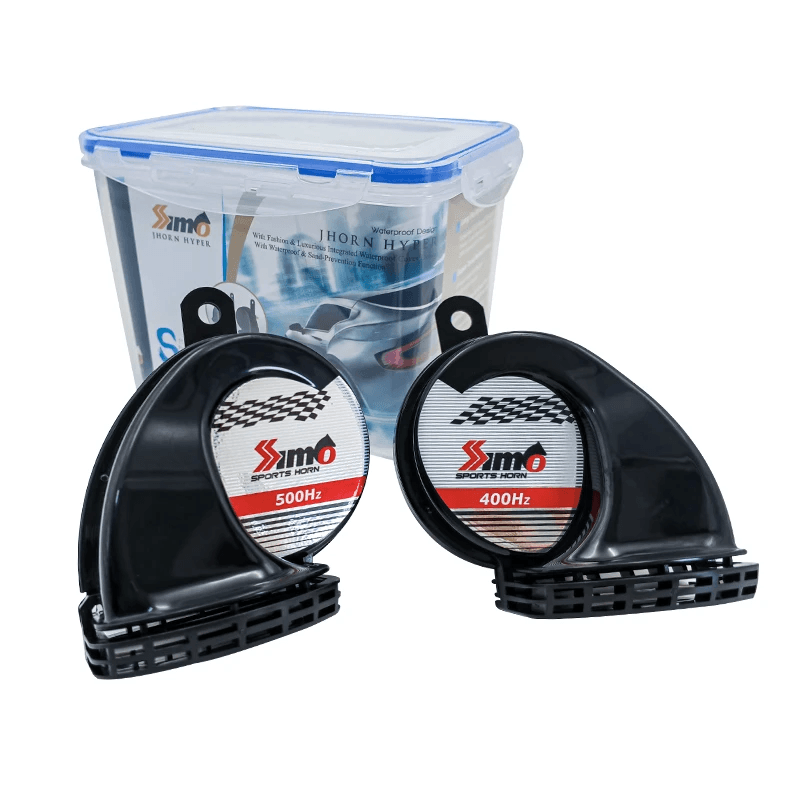
- Frequency: High/low pairs create a fuller warning sound than many single-tone products.
- Installation: Check bracket, connector, and available mounting space before bulk orders.
- Approval and documents: Match certificates and technical sheets to the exact SKU.
- Supplier support: Ask about samples, packaging, inspection, and repeat production.
Where OSUN Can Fit
OSUN's company overview describes Xiamen Osun Electronic Technology as focused on R&D, production, and sales of automotive horns, wiper blades, and lighting. It also references aftermarket and OEM manufacturer coverage. For a B2B buyer, that positioning is useful when the goal is not simply to replace one horn model, but to build a dependable product line.
OSUN's Douyin-style topics, such as what makes a good horn and low-temperature testing, also point to buyer concerns that are easy to convert into English content: tone consistency, material selection, cold-weather durability, and practical installation. These are the concerns that often sit behind searches for a Denso snail horn.
A Balanced Buying Approach
When customers ask for a Denso snail horn, a distributor should first clarify the requirement. Is the customer looking for a specific DENSO part, a similar sound character, a 12V high/low tone upgrade, or a reliable horn supplier? Those are different needs. If the request is truly brand-specific, substitution may not be appropriate. If the request is performance-driven, buyers can compare OSUN horn models by technical data and samples.
It also helps to prepare a comparison sheet before talking with customers. Include voltage, current, sound level, frequency, housing style, connector, bracket, certificate status, and packaging format. This keeps the sales discussion factual. It also prevents a buyer from promising that one horn is a direct replacement when the connector, sound character, or approval document does not match the original request.
Conclusion
A Denso snail horn search is a useful signal: buyers want dependable tone, fitment, and quality. OSUN can be evaluated as a sourcing option by checking product specifications, approval details, sample performance, and factory support. The best buyer decision comes from matching the horn to the vehicle program and sales channel, not from comparing brand names alone.