
Introduction
Car horns are more than just a noise-making device; they serve as a vital tool for communication on the road. Understanding the importance of car horns is crucial for both safety and convenience, as they alert other drivers, pedestrians, and cyclists to your presence or intentions. Whether it's a gentle beep to say thanks or a loud honk to avoid an accident, the sound of a vehicle horn can make all the difference in preventing mishaps.
Understanding the Importance of Car Horns
The significance of car horns extends beyond mere annoyance; they play an essential role in road safety. A well-timed honk can avert potential collisions by signaling your presence to others on the road. In crowded urban environments or during emergencies, having an effective car sound is indispensable for ensuring safe navigation.
Common Types of Car Horns
When considering what do car horns look like, you'll find various designs tailored to different vehicles and preferences. The most common types include standard electric horns found in most cars and more robust train horns that some enthusiasts install for their powerful horn sound. Train horns for vehicles have gained popularity among car enthusiasts wanting to make a statement with their auditory presence on the streets.
How Car Horns Function
Car horns operate using a simple yet effective mechanism that translates electrical energy into sound waves. When you press your vehicle's horn button, it activates an electromagnet that vibrates a diaphragm within the horn assembly, producing that familiar honking noise we all recognize. The technology behind these devices has evolved significantly over time; from basic mechanical designs to sophisticated electric systems capable of mimicking everything from classic car sounds to thunderous train horns.
What Do Car Horns Look Like
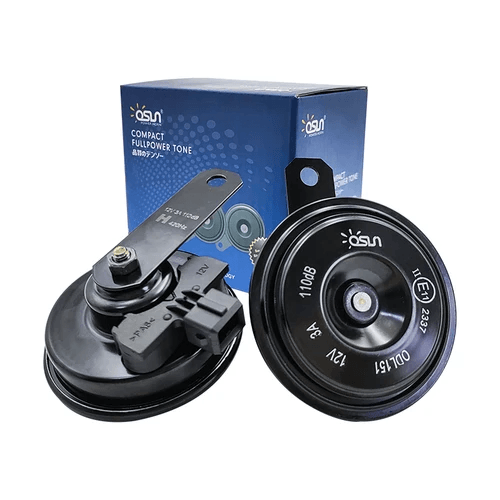
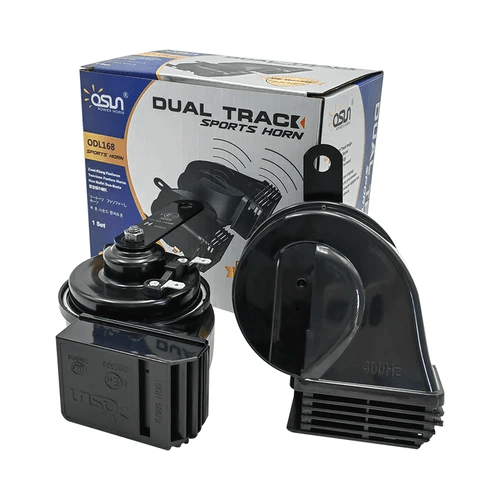
When you think about car horns, the first image that might come to mind is a small, round device tucked away behind your vehicle's grille. However, what do car horns look like? They can vary significantly in design and appearance depending on the manufacturer and model of the vehicle. From sleek, modern designs to more traditional styles reminiscent of a horn for train, car horns can be both functional and aesthetically pleasing.
Design Variations Across Brands
Different brands have their own unique take on what constitutes an effective vehicle horn. For instance, some manufacturers opt for compact designs that blend seamlessly into the overall look of the car, while others prefer larger horns that make a bold statement. The sound emitted by these horns also varies; some produce a high-pitched tone reminiscent of a classic train horn for car enthusiasts looking to stand out on the road.
Color and Size Differences
In addition to design variations, color and size differences are also prevalent among car horns. Most standard vehicle horns tend to be black or metallic, but aftermarket options can come in vibrant colors like red or blue for those wanting to customize their ride further. Size-wise, while most car sounds are produced by relatively small devices, there are larger models available—especially those mimicking train horns for vehicles—that can create an impressive auditory presence.
Notable Brands in the Market
When it comes to notable brands in the market for car horns, several names stand out due to their reputation for quality and innovation. Brands like Hella and Fiamm are well-known for producing reliable vehicle horns that deliver excellent sound performance without compromising durability. Meanwhile, companies specializing in aftermarket options offer everything from traditional car sounds to booming train horn systems designed specifically for cars—perfect for those who want their ride to turn heads (and ears) wherever they go.
The Evolution of Car Horns

Car horns have come a long way since their inception, evolving from simple mechanical devices to sophisticated electric systems that play a crucial role in vehicle safety. This evolution reflects advancements in technology and an increasing understanding of sound's impact on driving behavior. Today’s car horn is not just a tool for alerting others; it has become an integral part of the automotive experience, enhancing communication between drivers and pedestrians alike.
From Mechanical to Electric Horns
Initially, car horns were mechanical, relying on hand-cranked mechanisms or bellows to produce sound—think of the classic honk that echoed through early 20th-century streets. These horns were limited in volume and tone, often resembling the horn for train systems but less powerful. With the introduction of electric horns in the mid-20th century, vehicle horn design transformed dramatically; they became more reliable and capable of producing a wider range of sounds.
Electric horns utilize electromagnetic systems to create loud and clear horn sounds that can be heard from greater distances. This shift not only improved safety by making vehicles more audible but also allowed manufacturers to experiment with different tones and pitches, leading to distinctive car sound identities for various brands. Consequently, modern car horns now resemble their train horn counterparts in both power and function while remaining compact enough for everyday vehicles.
Innovations in Sound Technology
The quest for louder and more attention-grabbing vehicle horns has spurred significant innovations in sound technology over the years. Manufacturers are increasingly incorporating features such as multi-tone sounds or even customizable horn sounds that allow drivers to express their personality—imagine having a train horn for your car! These advancements reflect a growing trend where what do car horns look like is not just about aesthetics but also about how they resonate with users on an emotional level.
Moreover, some companies are exploring electronic systems that can adapt the volume based on surrounding noise levels or even integrate harmonics that blend well with other vehicle sounds. Such innovations ensure that when you press your vehicle's horn button, it delivers not just noise but a clear message intended to enhance road safety. The evolution continues as engineers push boundaries to create unique auditory experiences tailored specifically for modern driving environments.
Key Players: Xiamen Osun Electronic Technology Co., Ltd.
Among the key players revolutionizing car horn technology is Xiamen Osun Electronic Technology Co., Ltd., known for its commitment to quality and innovation within the automotive sector. This company specializes in producing high-performance electric horns designed for various vehicles—from compact cars to heavy-duty trucks—ensuring every driver has access to reliable sounding solutions no matter their needs. Their products often rival traditional train horns for vehicles, providing powerful alternatives without sacrificing space or efficiency.
Xiamen Osun stands out by integrating cutting-edge research into its manufacturing processes, focusing on durability while maintaining superior sound quality across its range of offerings. As consumers increasingly seek customization options like aftermarket installations or unique sound profiles, companies like Xiamen Osun are poised at the forefront of this transformation within automotive accessories—bridging gaps between functionality and personal expression through innovative designs tailored specifically for today’s drivers.
Safety and Legal Regulations
Car horns are more than just a noise-making device; they play a crucial role in ensuring road safety. The sound of a car horn can alert pedestrians, warn other drivers, and prevent potential accidents. Understanding the importance of honking is essential for every driver to navigate the roads safely.
Why Honking is Essential for Safety
Honking serves as an immediate communication tool on the road, conveying urgency and alertness. When you hear a sharp car sound, it often indicates that something requires your attention—be it an approaching vehicle or a pedestrian crossing unexpectedly. Without this auditory cue, many accidents could occur simply because drivers were unaware of their surroundings.
Moreover, honking can be particularly vital in scenarios where visual signals fall short. For instance, if a driver is distracted or not paying attention to traffic lights, a quick beep from another vehicle can snap them back to reality. In essence, the horn sound acts as an audible reminder of shared responsibility on the road.
Laws Governing Car Horn Use
While honking is essential for safety, it's also governed by various laws that vary by region. Many jurisdictions have specific regulations regarding when and how you can use your vehicle horn; excessive honking may lead to fines or legal repercussions. Typically, these laws aim to prevent noise pollution while ensuring that horns are used primarily for safety purposes.
In some areas, using your car horn during non-emergency situations—like expressing frustration in traffic—can be illegal and frowned upon by law enforcement. It's important for drivers to familiarize themselves with local regulations regarding horn use to avoid unnecessary penalties. Remember: while your car horn is there for safety reasons, overusing it can lead you into hot water!
The Role of Horns in Emergency Situations
In emergencies, the role of car horns becomes even more pronounced as they serve as vital alerts during critical moments. Whether it's signaling an approaching emergency vehicle or warning others about potential hazards ahead, the ability to produce a loud and clear sound can make all the difference in averting disaster. For instance, train horns for vehicles are often used in emergencies due to their powerful resonance that commands immediate attention.
Moreover, having a reliable vehicle horn ensures that you’re prepared when unexpected situations arise on the road—such as someone suddenly stepping into traffic or another driver veering into your lane without warning. In these instances, knowing what do car horns look like and how effectively they function becomes crucial for every driver’s toolkit! Ultimately, understanding both the legal aspects and practical importance of car horns enhances overall road safety for everyone involved.
Maintenance Tips for Car Horns
Car horns are crucial for vehicle safety, but like any component of your car, they require maintenance to function optimally. Understanding how to diagnose common issues with your car horn can save you from potential mishaps on the road. In this section, we’ll explore some practical tips to keep your horn sounding its best.
How to Diagnose Common Issues
When it comes to diagnosing issues with your car horn, start by checking the basics. If you press the horn button and hear nothing, it might be a blown fuse or a faulty connection; both are common culprits that can lead to a silent horn sound. Additionally, if your vehicle horn sounds weak or intermittent, it could indicate corrosion on the terminals or a problem with the wiring—definitely not what you want when trying to alert others!
Another issue may arise if you're wondering what do car horns look like when they're malfunctioning; sometimes they can produce strange noises that resemble more of a honk than a beep. If you hear an unusual sound that resembles a train horn for cars instead of your typical car sound, it's time to investigate further. Remember, keeping an ear out for these warning signs is essential in ensuring your vehicle remains safe and roadworthy.
When to Replace Your Car Horn
Knowing when to replace your car horn can be tricky but vital for safety reasons. If you've diagnosed that there's no power reaching the horn despite checking fuses and connections, it might just be time for an upgrade—especially if you're considering something more powerful like train horns for vehicles! A good rule of thumb is if your vehicle horn sounds weak or inconsistent even after cleaning terminals and checking wiring, replacement is likely necessary.
Additionally, if you've been tempted by those flashy aftermarket options that mimic the thunderous sound of a train horn for cars but haven't yet made the leap, now could be the perfect time! Just ensure that any replacement meets local regulations regarding volume and tone—after all, you don’t want to attract unwanted attention! Ultimately, prioritizing functionality over flashiness will keep you safer on the road while still allowing room for customization.
Recommended Products for Maintenance
To maintain optimal performance from your car's honker (yes, that's another name), consider investing in quality products designed specifically for vehicle horns. Products such as contact cleaner sprays can help eliminate corrosion on terminals and improve electrical connectivity without breaking the bank. Additionally, consider using heavy-duty fuses tailored for automotive use; they’re designed to handle fluctuations better than standard options.
For those looking into upgrading their sound experience with train horns for vehicles or other aftermarket choices resembling traditional car sounds but with an extra punch—check out reputable brands known for durability and performance! Some popular choices include air-powered horns that deliver robust sounds reminiscent of larger vehicles while still fitting neatly under hoods or bumpers without compromising aesthetics.
Lastly, don't forget about regular inspections; it's easy enough to take a peek at connections during routine maintenance checks alongside oil changes and tire rotations! Keeping everything shipshape ensures you'll never have an embarrassing moment when trying out those sweet new honks at red lights.
Customizing Your Car Horn
Car horns are more than just a tool for alerting others on the road; they can also reflect your personality and style. When it comes to customizing your vehicle horn, enthusiasts often seek options that stand out, whether through unique sounds or striking designs. From classic car sounds to the booming blast of a train horn for cars, there’s a world of choices waiting for you.
Popular Choices Among Car Enthusiasts
Among car enthusiasts, one popular choice is the air horn, known for its loud and attention-grabbing sound that can rival even a train horn for vehicles. These horns often come in multiple tones and can be customized to produce unique horn sounds that make your vehicle memorable. Other options include electronic horns that mimic various car sounds, allowing drivers to express their individuality while ensuring safety on the road.
Another favorite among those looking to customize their car horn is the train horn for cars, which offers an impressive volume and sound signature reminiscent of real trains. The sheer power of these horns can turn heads and ensure that you're heard in any situation. Additionally, many drivers opt for themed or novelty horns that add a playful touch to their vehicles while still serving their primary purpose.
How to Install Aftermarket Horns
Installing aftermarket horns isn’t as daunting as it may seem—most enthusiasts find it quite straightforward with some basic tools and guidance. First, you’ll need to disconnect your vehicle’s battery before removing the existing car horn; this ensures safety during installation. Once removed, follow the manufacturer's instructions carefully when installing your new horn; make sure all connections are secure and properly insulated.
After mounting the new vehicle horn in place—whether it's an air horn or something more whimsical—reconnect your battery and test it out! You might want to have a friend help by standing outside while you honk so you can hear how it sounds from different distances. Remember that if you've opted for something loud like a train horn, you'll want to be mindful of when and where you use it!
Ensuring Compliance with Local Laws
While customizing your car's sound system can be fun, it's crucial to ensure compliance with local laws regarding noise levels and types of allowed horns. Different regions have varying regulations about what constitutes acceptable vehicle noises; some places may restrict certain types of loud horns or require specific sound frequencies. Before making any changes—especially if you're considering something as bold as train horns for vehicles—check local regulations online or consult with local authorities.
Additionally, keep in mind that excessive noise can lead not only to fines but also complaints from neighbors or other drivers who might not appreciate your new car sound. Being considerate while enjoying customization will go a long way toward maintaining good relationships within your community! Ultimately, choosing the right customizations will enhance both safety and enjoyment without stepping on anyone's toes.
Conclusion
As we steer toward the future, car horn technology is poised for exciting advancements. Innovations may include customizable horn sounds that allow drivers to choose from a variety of tones, including those reminiscent of a train horn for car enthusiasts who crave a more commanding presence on the road. Additionally, manufacturers are likely to focus on enhancing sound clarity and volume while ensuring compliance with safety regulations.
When choosing the right car horn for your vehicle, consider both functionality and aesthetics. Understanding what do car horns look like across different brands can help you select one that complements your vehicle's design while providing the necessary sound output. Whether you opt for a traditional vehicle horn or something more unique like train horns for vehicles, ensure it meets your specific needs.
In conclusion, car horns play an essential role in road safety and communication among drivers. A well-functioning horn not only enhances your vehicle's presence but also ensures you can alert others effectively when needed. So whether you're upgrading to a louder car sound or simply maintaining your existing system, remember that a reliable horn is key to safe driving.