
The horn snail shell is more than a visual shape. For automotive horn buyers, the shell affects sound direction, mounting space, exposure to water and dust, perceived quality, and sometimes the way the horn is positioned in a catalog. A supplier may describe a horn as loud or powerful, but the shell design helps decide whether that sound reaches the road clearly after the horn is mounted behind a grille.
OSUN's automotive horn range includes several snail horn models that let buyers compare shell shape, mounting dimensions, drainage, and material positioning. Instead of treating every snail horn as the same product, importers should review the shell as part of the sourcing specification.
Why the Shell Shape Matters
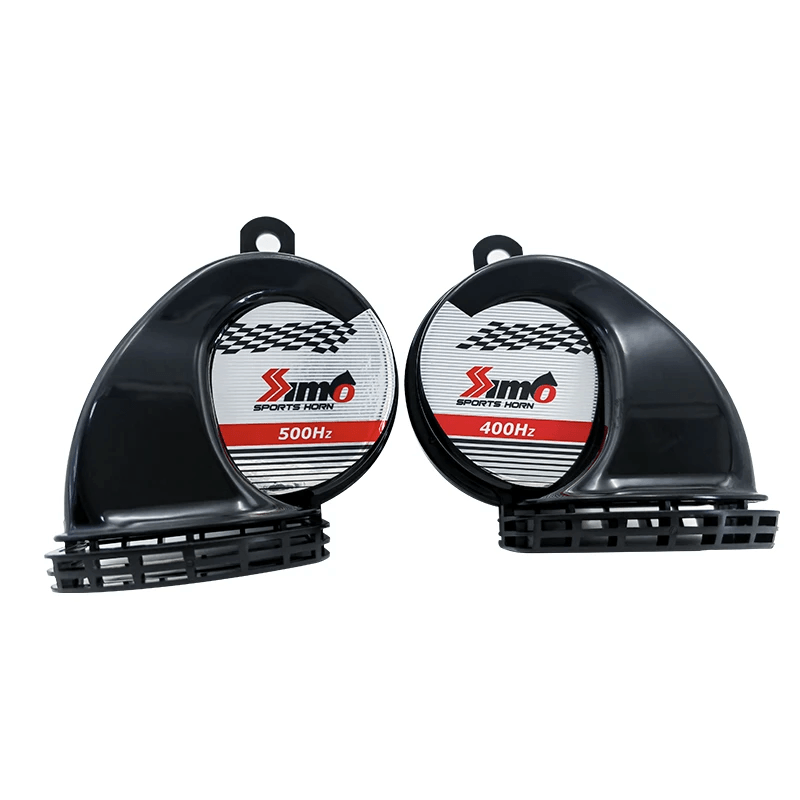
A snail shell gives the horn a directed acoustic path. Compared with a compact disc horn, a snail horn often supports a fuller or more projected tone, but it also needs more room around the horn mouth. If the shell opening points into a blocked surface, the horn may sound weaker than expected. If the horn is mounted low or exposed to spray, drainage and weather design become more important.
HELLA separates horn and fanfare products by type and application, which is a useful reminder that body shape is not only cosmetic. PIAA's performance horn category also shows how buyers often compare frequency and tone character, not just the outer shell.
OSUN Snail Shell Examples
OSUN's ODL-161 snail horn is useful when buyers care about compact shell design. The product page highlights a 65 mm slim thickness, water-drainage design, forward sound direction, and tough-weather application. Product imagery shows a shell shape with the horn mouth directed outward, which gives buyers a practical fitment question: will the outlet face open air after installation?
OSUN's ODL-165 snail horn is more relevant when shell material and climate positioning matter. The page says high-quality carbon fiber is added to a pure-PP snail shell and mentions stronger weather-resistant shell language, extra snail channel design, membrane filter technology, waterproof/exhaust performance, and E-mark positioning. Buyers should treat those as points to verify with samples, drawings, and any available test data.
What to Ask About Shell Material
Material claims should be useful, not decorative. A buyer can ask OSUN how the shell material affects stiffness, weather resistance, sound stability, corrosion exposure around metal parts, and long-term appearance. If the page mentions carbon-fiber-added PP, the buyer should ask whether the claim applies to the exact SKU and whether the supplier can explain the material difference in the sample.
- Material: Confirm PP, carbon-fiber-added PP, coating, and any visible markings on the sample.
- Dimensions: Check shell depth, width, height, bracket hole, and clearance behind the grille.
- Drainage: Ask how water exits the shell area and whether the mounting direction matters.
- Sound path: Confirm that the horn mouth direction matches the vehicle installation position.
- Electrical load: Compare 12V marking, current draw, and high/low tone frequency.
- Market proof: Match any E-mark or certificate claim to the exact model.
When a Different Horn Type Is Better
A horn snail shell is not always the best answer. If the buyer has very tight installation space, OSUN's ODL-151 disc horn may be easier to package. If the buyer wants a stronger retail upgrade story, a sports horn such as ODL-163 or KSN169P may have more visual impact. If the buyer needs broad vehicle coverage, OSUN's multi-fit car horn and adapter concept may reduce installation friction better than changing the shell shape.
Conclusion
The horn snail shell should be evaluated as part of the whole sourcing decision: sound direction, material, weather exposure, mounting depth, current draw, frequency, and documentation. OSUN's ODL-161 and ODL-165 show two useful shell directions: compact drainage-focused design and material/weather positioning. Buyers should confirm the exact sample and installation conditions before turning shell claims into catalog promises.