
A trumpet horn can look suitable in a factory catalog and still sit in the wrong orientation when combined with the bracket purchased for a distributor’s program. The outlet, bracket and adjacent vehicle parts need to be considered as one installation. Before accepting a quotation for bulk supply, ask which parts and drawings belong to the quoted configuration. Then approve a representative sample and record the orientation the factory is expected to reproduce.
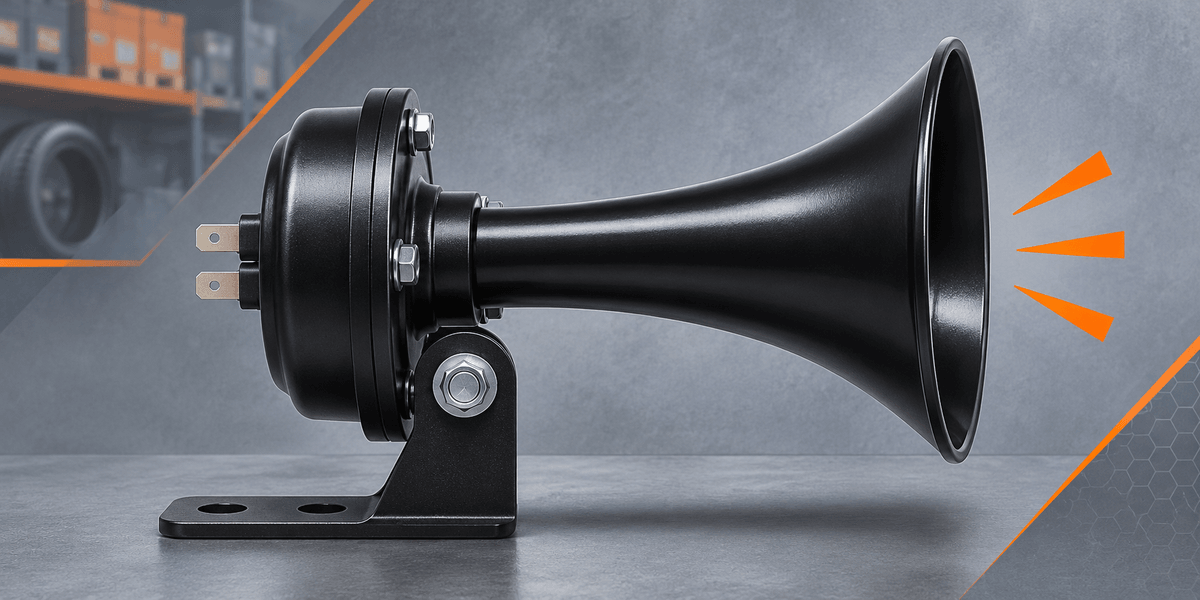
Give the factory a trumpet horn mounting reference
Put the intended use and the vehicle applications in the inquiry. Include a sketch showing the mounting surface, nearby fixed components and the direction in which the opening should face. Show which parts are present in the final vehicle. A photograph taken with a cover removed can help identify the installation site, but it should be labeled as an incomplete view.
Add an orientation reference the supplier can recognize without seeing the vehicle. The bracket mounting face and outlet centerline can serve as shop references if both parties agree on them. For a handed installation, draw or label each side separately. A single description such as “point outward” can be interpreted differently, especially where two parts are mounted in mirrored positions.
Quote the horn and bracket as a specific combination
Ask every supplier to identify the exact trumpet horn reference, bracket version and hardware included in the quotation. If a particular bracket, adapter or pack is a separate item, request a separate line. Require the supplier to state whether the sample will include the quoted parts or use temporary hardware for evaluation. This lets purchasing compare offers with similar scope.
Record which features are fixed and which can be proposed as alternatives. For example, an importer might require a particular mounting position while leaving the bracket style open for discussion. If one offer proposes an alternative, ask for a drawing showing how it affects the opening and connector in the intended position. Compare that drawing before accepting a price difference as a genuine saving.
Use the full installation to approve outlet position
Fit a representative sample with the bracket listed in the quotation. Document the trumpet horn outlet and the closest surrounding surfaces after the relevant trim and panels are in their intended positions. Check that the outlet, connector and mounting points can be reviewed without forcing parts into contact. Follow the applicable vehicle and product instructions when assessing the assembly.
Agree on which differences would trigger a new sample. A revised bracket length can change the angle of the opening even when the horn body itself is unchanged. If a supplier proposes a variation, ask for the revised drawing and a photograph or sample that proves the current combination still meets the agreed requirements. Make sure the written approval names the exact version shown.
Separate fit approval from sound documentation
A sample that fits the mounting area has passed one part of the review. Ask the factory for the electrical and sound documentation appropriate to the exact trumpet horn model and intended order. Record the conditions attached to any reported acoustic result. A drawing that shows where the outlet points is useful for fit, but it does not determine a rated sound result.
If the distributor runs a comparison in the installed configuration, preserve that report separately from the supplier’s product test evidence. Note which fixture or vehicle was used and whether the panels were installed. Avoid using a recording from an unknown setup to make a product performance claim. Each test result should identify the question it was meant to answer.
Worked example: two quotations use different brackets
Imagine two factories quote a trumpet horn in a similar body size. One quotes a straight bracket and the other a formed bracket. A sample from the second quote puts the outlet closer to a liner in the application under review. Compare the installed sample with the vehicle reference and the supplier drawing. Ask the supplier to identify the accessory it would actually ship and whether a revised position is part of the quote.
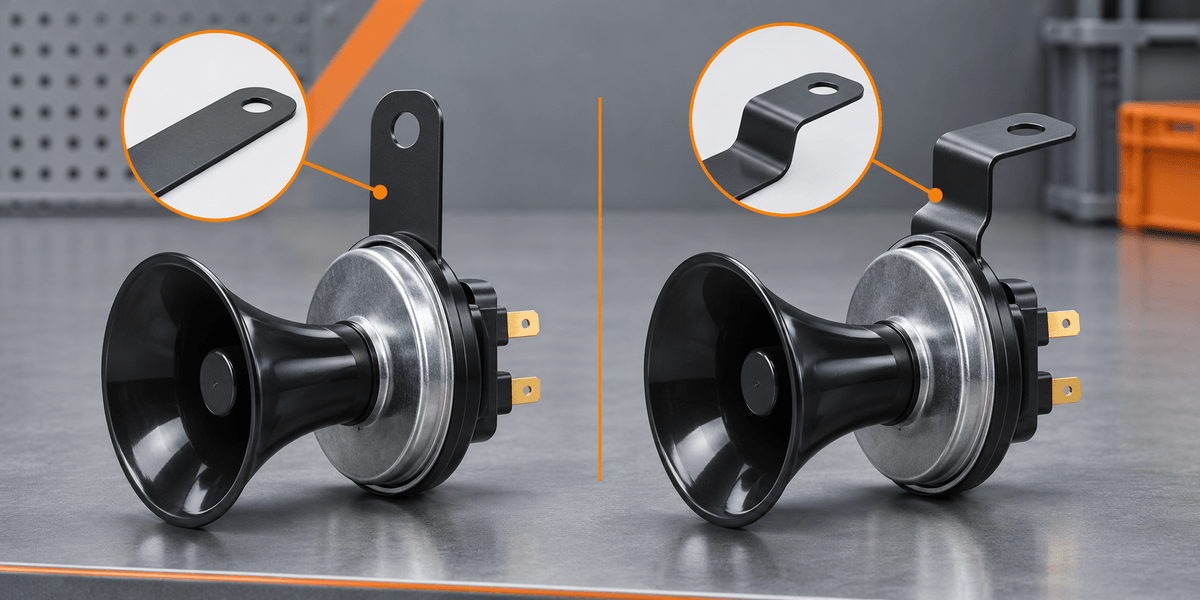
If the buyer accepts the straight bracket, attach its drawing to the approved specification. Keep the other sample marked as an alternative under review. When the order is repeated, the buyer can check the bracket marking and outlet orientation against the first approval rather than reopening the whole catalog search. Treat this as a procurement example, not a statement that either bracket style fits every vehicle.
Carry the sample decision into bulk production
Attach the approved trumpet horn reference and bracket revision to the purchase order. Where an image is used, identify the viewing direction and which features it proves. A general product photograph can be useful for identification, but a drawing and an approved installed view are clearer evidence of orientation.
Ask the manufacturer to acknowledge the combination and the agreed change notification process before production. Define what the receiving team can see without installing every unit. If an orientation check requires a fixture, agree who will perform it and how results will be recorded. Keep the plan tied to the order and avoid assuming that one approved sample grants coverage across unrelated variants.
Questions before requesting a quote
Should every trumpet horn quote include a bracket?
Ask the manufacturer to list the scope. Some inquiries may require a horn only, while others specify a complete mounting pack. Compare quotations using the same requested contents and keep any optional part identified separately.
Can I reuse a drawing for a different version?
Use it only if the supplier and buyer confirm which features remain applicable. A different outlet, terminal or bracket may change the available space even when other dimensions appear similar.
Where should an importer start when the product category is uncertain?
Use the OSUN automotive horn range to review the published warning horn categories. Ask OSUN to confirm whether it can quote the requested trumpet horn form and bracket combination. Verify the exact product reference and approved evidence before using product claims in your catalog.
Request a quote against the application drawing
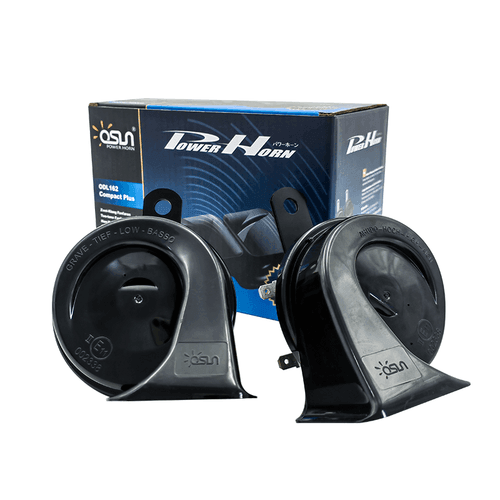
The product photo above shows the OSUN ODL-162 snail horn as a catalog reference. Send the trumpet horn application, outlet direction, available mounting space and accessory scope to OSUN. Ask which configuration the factory can quote and which physical sample will represent it. Give the production buyer and receiving team the same approved references before placing the wholesale order.