
An auto horn OEM supplier should be evaluated before the first sample is ordered. The buyer needs to know whether the supplier can translate a vehicle requirement into the right horn body, bracket, connector, current draw, sound character, certificate evidence, and packaging plan. A low quote is not enough if the project later fails fitment or documentation checks.
OSUN's company overview presents Xiamen Ousheng Electronic Technology as a manufacturer focused on R&D, production, and sales of electric horns, automotive non-interference wiper blades, and related auto parts. The site also references IATF16949 and EMARK11 positioning. For an OEM-style program, buyers should still connect every certificate and claim to the exact SKU and sample under review.
Start with Product Range Fit
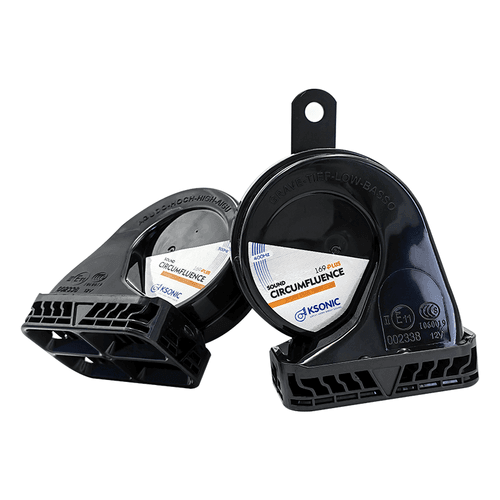
A strong OEM supplier conversation starts by narrowing the product family. OSUN lists compact disc horns, snail horns, sports horns, and multi-fit horn products. A compact replacement project may point toward the ODL-151 disc horn. A fuller warning tone may point toward ODL-161, ODL-162, or ODL-165 snail horn examples. A retail upgrade line may point toward ODL-163, ODL-168, or KSN169P sports horn models.
The buyer should not ask only for "a 12V horn." The RFQ should state application, vehicle space, target sound character, connector preference, bracket restrictions, required certificate, packaging type, and whether the program is single horn or high/low pair.
Engineering Evidence to Request
OEM-style sourcing needs a paper trail. Ask for drawings or dimension references, current draw, frequency pair, sound test record, sample marking photos, material or terminal description, and certificate copy if the market requires it. The OSUN ODL-151 reference includes compact dimensions and an 8.5 mm mounting hole in the reviewed product drawing. Snail horn examples include depth, base width, height, bracket-hole references, and 12V 4A style markings. These details help buyers compare real vehicle space instead of approving from a product photo.
HELLA's horn information also emphasizes application categories, OE plug connector options, and ECE 28 labelling. That is useful because an OEM supplier should be able to discuss connection method, approval scope, and sound requirement in technical terms.
Audit the Supplier Process, Not Only the Horn
A supplier audit for auto horns should include sample control, batch consistency, testing, packaging, and communication. OSUN's site mentions R&D and professional service capabilities, but the buyer should turn that positioning into concrete audit questions.
- Who approves the final drawing, sample marking, and connector list?
- How are current draw, sound level, and frequency checked before shipment?
- How is the approved sample protected from silent substitution?
- Which certificate applies to this SKU, tone version, and voltage?
- How are packaging, carton mark, label language, and spare parts documented?
- What shipment inspection record will the supplier provide?
Where OSUN Examples Help
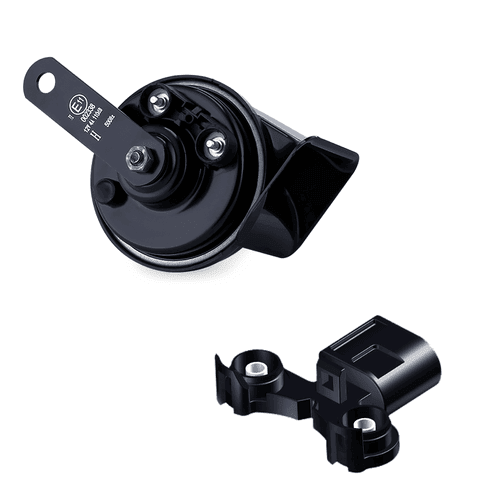
The OSUN multi-fit car horn can support OEM-style service programs where adapter coverage and stable connection matter. Its page uses multiple connector, pure copper terminal, and low-resistance language. The ODL-162 snail horn can support programs that require E-mark positioning, membrane filter language, anti-corrosion treatment, and high/low tone matching. The ODL-151 disc horn can support compact replacement and lower-current requirements.
Conclusion
An auto horn OEM supplier should be selected by proof, not sales wording. Buyers should confirm the right horn type, current draw, dB test method, frequency, connector, bracket, certificate, and packaging record before sampling a full program. OSUN's product range and company positioning provide useful starting points, but the final purchase should be driven by documented sample approval.