
An electric horn sample is useful only if the buyer can tie it to a repeatable supply specification. An importer may like the sound of a demonstration unit, but still need to confirm the connector, bracket, tone identifier and documents that will come with later production. A good factory discussion starts by agreeing what the sample represents and ends with a record the purchasing and receiving teams can use.
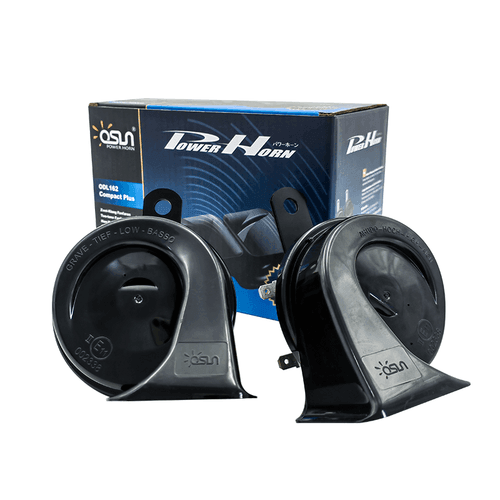
Define the electric horn order before requesting samples
Give the manufacturer the vehicle applications, target sales channel and the configurations you plan to offer. Identify which items are intended as standard replacements and which are intended as upgrades. Separate items with different voltage, sound or installation requirements. A brief that calls for one example of every product family can produce a useful overview, but it does not tell the factory which combinations need to be repeatable for delivery.
For an electric horn inquiry, identify the planned packaging and whether the buyer will order a single unit, matched pair or kit. Include photos or drawings for any connector and bracket that must match the vehicle application. Where a specification is open, label it as a choice for review rather than leaving it implicit. This lets suppliers quote options on comparable terms.
Ask which sample matches each quoted item
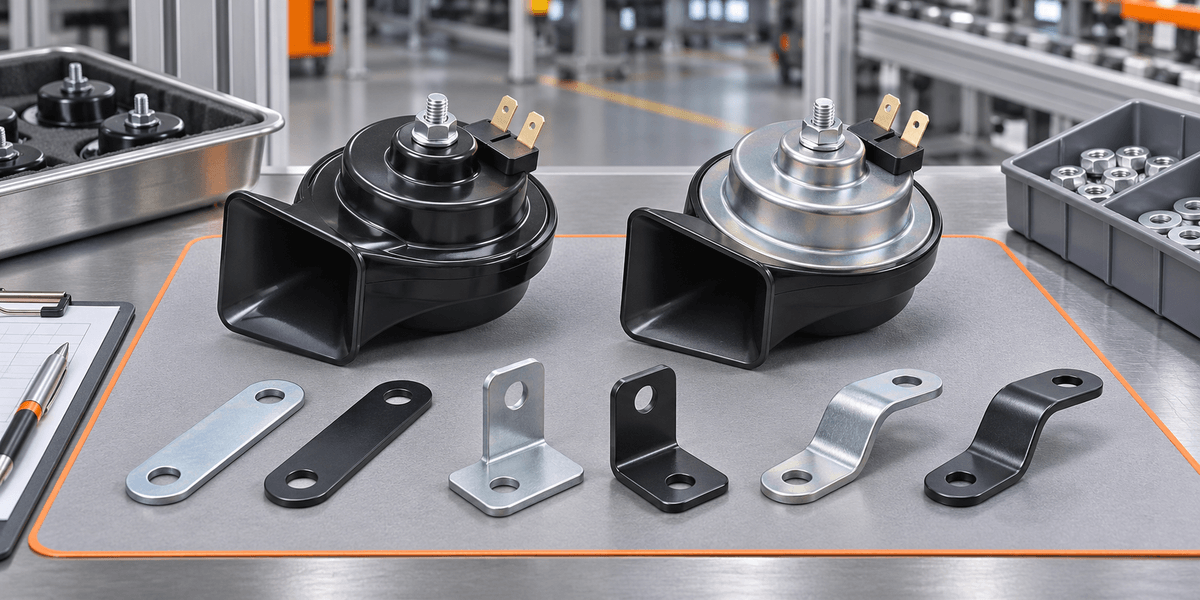
Give every sample a line on the review sheet. Record the part number, revision or variant, and the name used in the quotation. If the factory sends alternatives, record which one is the quoted baseline and which was provided only for comparison. Keep the original sample label where possible so a later reviewer can match the evidence to the actual piece.
Ask whether all accessories and printing in the sample represent the proposed production pack. A temporary label, generic box or borrowed bracket may be acceptable during development if its status is documented. Requests for an electric horn with alternate labels, accessories or packing should identify which part of the sample decision carries forward and what requires approval later.
Compare electrical and sound documents on common terms
Request the stated operating information and reporting conditions for the exact model. Keep the electrical rating separate from any measured value supplied with the sample. For sound, record the test distance, supply condition and method where available. Do not use a single number from two worksheets as a direct comparison when the test conditions differ.
For a pair, identify how the individual units are marked and what the supplier’s report represents. For example, a report may list a separate frequency for each unit, while another observation may concern the pair operating together. Record those separately. An electric horn sample file is easier to use when it states what each result does and does not cover.
Check the assembly drawing and installed proof
Review the bracket, connection and accessory information together. Identify the actual mating connector and any vehicle-specific limitations the buyer plans to state. Where the buyer uses a representative installation check, retain the drawing revision, application and evidence of the completed assembly. Tie the result to the specific sample rather than to a product series name.
Use the OSUN automotive horn range to shortlist models before requesting drawings and sample details. An electric horn order may cover a standard item or an option under discussion. Ask the factory to list exactly which dimensions and accessory references are included in each quote and which need a further review before order placement.
Set the conditions for approving production
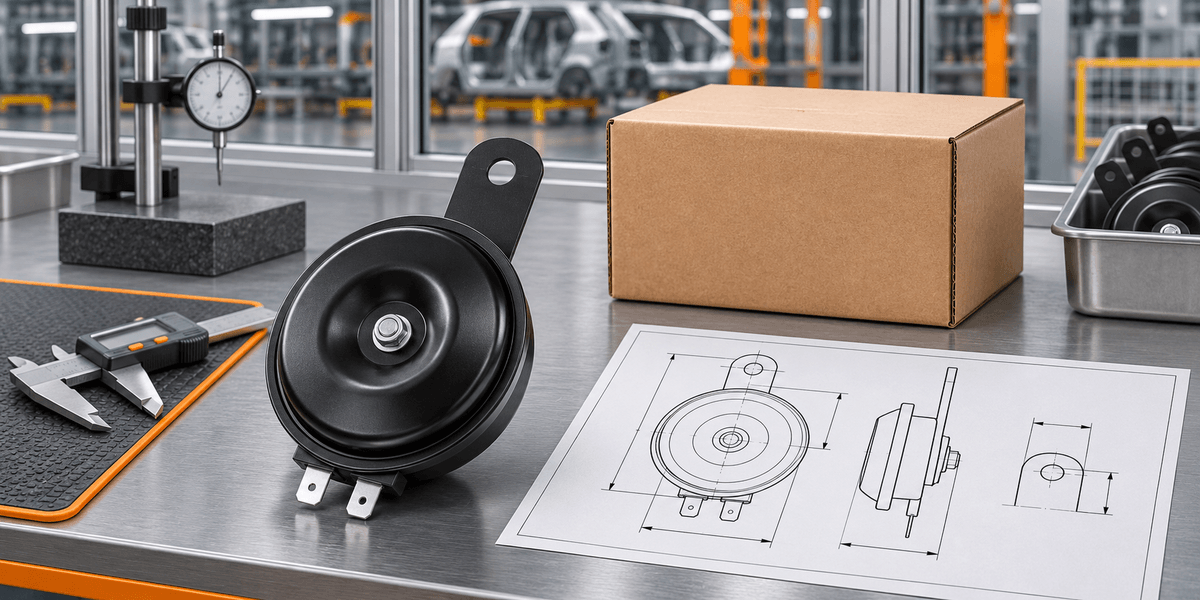
Create a reference set for the electric horn item you intend to buy. Include the physical sample or its traceable photos, the accepted technical documents, the approved pack list and any customer-facing labels that have been agreed. Use a checklist to record approvals and open items separately. A sample can be acceptable for geometry while branding or packaging is still under review.
Ask how the supplier would notify you if a change affects the approved item. Define the changes that require a new review, such as a different terminal, bracket, tone variant, label or contents arrangement. If a substitute is offered, make the chosen option explicit in the purchase record rather than relying on a conversation that the packing team will not see.
Worked example: two samples share a range name
Suppose a distributor receives two electric horn samples under one catalog family. Both are plausible for the range, but they arrive with different brackets and model suffixes. The buyer approves one for a replacement program and asks about the other for a future product. On the purchase order, the buyer records the chosen suffix and approved bracket reference, while identifying the other sample as a separate candidate.
If the supplier later proposes a different bracket for the approved item, the buyer can compare that proposal with the reference rather than reopening every characteristic. Request proof for the changed interface and record the revised approval if it is accepted. This example describes a procurement method, not a claim about a particular factory’s procedure or product.
Questions about wholesale samples
Is one electric horn sample enough to approve a whole range?
Approve the combination tested and documented. If the range contains another connector, bracket, tone or voltage variant, decide whether existing evidence applies. List additional samples needed before describing coverage to customers.
What should go on the purchase order?
Include the factory reference, buyer SKU, approved sample revision and packaging configuration. Where technical details are maintained in an attached specification, name its revision so an updated copy does not accidentally replace the agreed version.
How should buyers handle documents under review?
Mark the status and responsible reviewer. Request the evidence for the exact electric horn model and intended market. Avoid making approval or certification claims on packaging while the relevant documents are still under review.
Ask OSUN to quote the approved configuration
Send the electric horn application, model candidates, connection and mounting details, documentation needs and packing scope to OSUN. Ask for a sample tied to each proposed purchase line. A clear quote and sample record gives the factory and buyer the same configuration to work from when the wholesale order moves to production.